
Retirement grants you thousands of open hours, yet slipping into passive television viewing can quickly drain your energy. Swapping your screen for purposeful daily pursuits restores physical vitality and sharpens your mind.
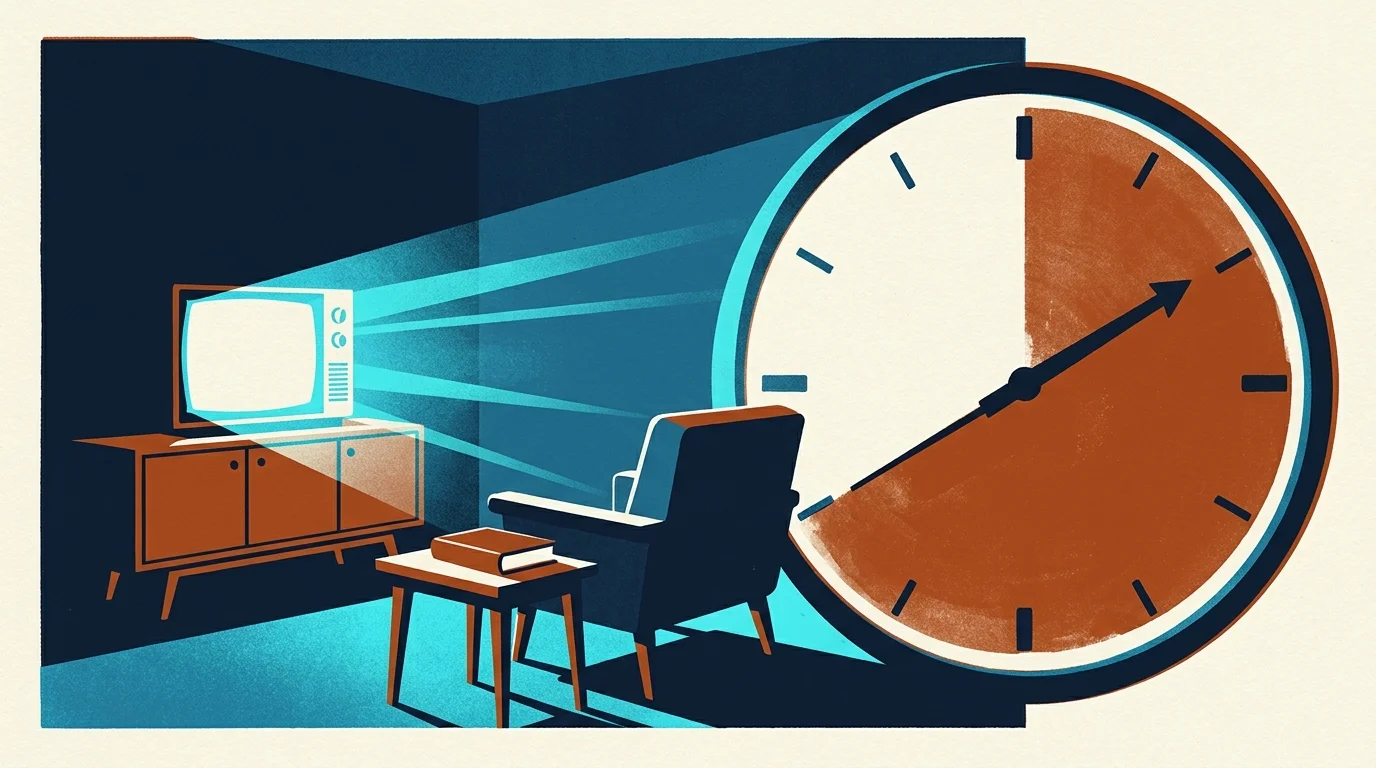
According to the Bureau of Labor Statistics, adults aged 65 and older spend over four hours per day watching television. That accounts for more than half of their total daily leisure time.
Reclaiming those hours does not require grueling effort or high expenses. Exploring engaging alternatives to watching TV will revitalize your daily routine and reconnect you with your surrounding community.
The Screen Time Trap in Modern Retirement
Television provides effortless comfort after decades of rigid work schedules. You sit down for one morning program, and the broadcast algorithm carries you straight into late afternoon.
This passive consumption often brings hidden consequences for aging adults. Excessive sedentary behavior accelerates muscle loss, weakens joint flexibility, and dampens daily cognitive sharpness.
Extended screen habits also diminish spontaneous social interactions. When the television stays on continuously, conversation fades and feelings of isolation can quietly take root.
“Retirement is not the end of the road, but rather the beginning of the open highway.” — Mitch Anthony, Author of The New Retirementality
Breaking this cycle begins with small, intentional adjustments. Replacing just two hours of daily screen time unlocks fourteen hours each week for meaningful personal growth.

Outdoor and Physical Alternatives to Replace Screen Time
Physical movement elevates your cardiovascular health and stimulates natural endorphins. The following active alternatives will help you step away from the remote control and step into nature.
1. Explore Federal and State Parks on a Budget
America contains some of the world’s most spectacular protected landscapes. Exploring these public lands offers quiet walking trails, fresh air, and captivating local history.
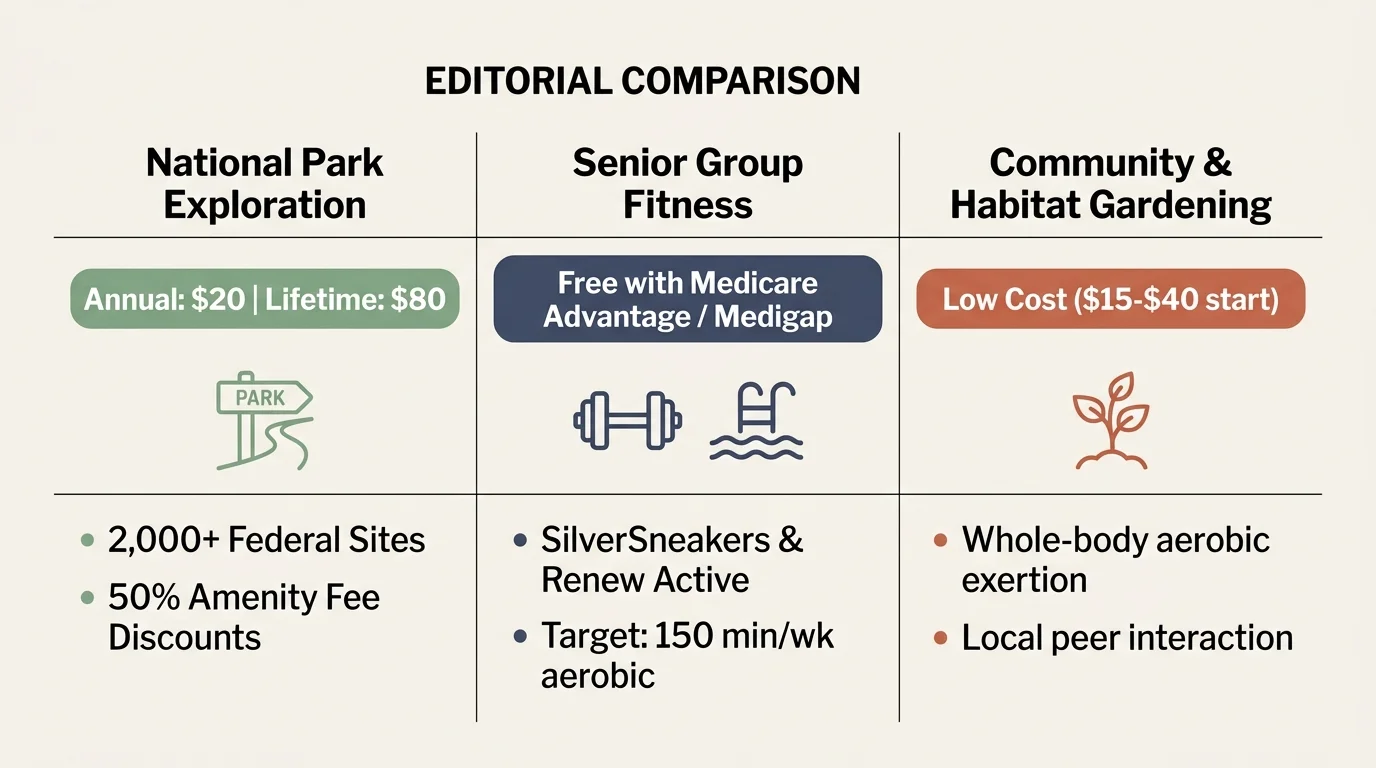
The National Park Service offers an exceptional discount through the America the Beautiful Senior Pass. U.S. citizens or permanent residents aged 62 and older can purchase an annual pass for $20 or a lifetime pass for $80.
If you purchase your pass online or by mail, the agency adds a modest $10 processing fee. Both passes unlock access to more than 2,000 federal recreation sites nationwide.
Pass holders also receive up to a 50 percent discount on select federal amenity fees. You can lower your costs on camping, boat launches, and guided cavern tours.
2. Join Structured Senior Fitness Groups
Regular physical exertion protects your functional independence as you age. Group exercise adds accountability while introducing you to like-minded peers in your neighborhood.
The Centers for Disease Control and Prevention recommends that older adults complete at least 150 minutes of moderate aerobic activity weekly. They also advise two weekly strength sessions and regular balance training.
Consult the physical activity guidance from the National Institute on Aging to design a safe, balanced movement routine. Consistent movement defends against chronic joint stiffness and cardiovascular decline.
Many retirees access fitness facilities without paying standard membership rates. Programs like SilverSneakers and Renew Active provide free access through qualifying Medicare Advantage and Medigap insurance plans.
These wellness programs host dedicated low-impact aerobics, aqua fitness classes, and gentle yoga. Check your Medicare health plan benefits to see if your policy covers gym admission.
3. Cultivate an Organic Garden or Native Plant Habitat
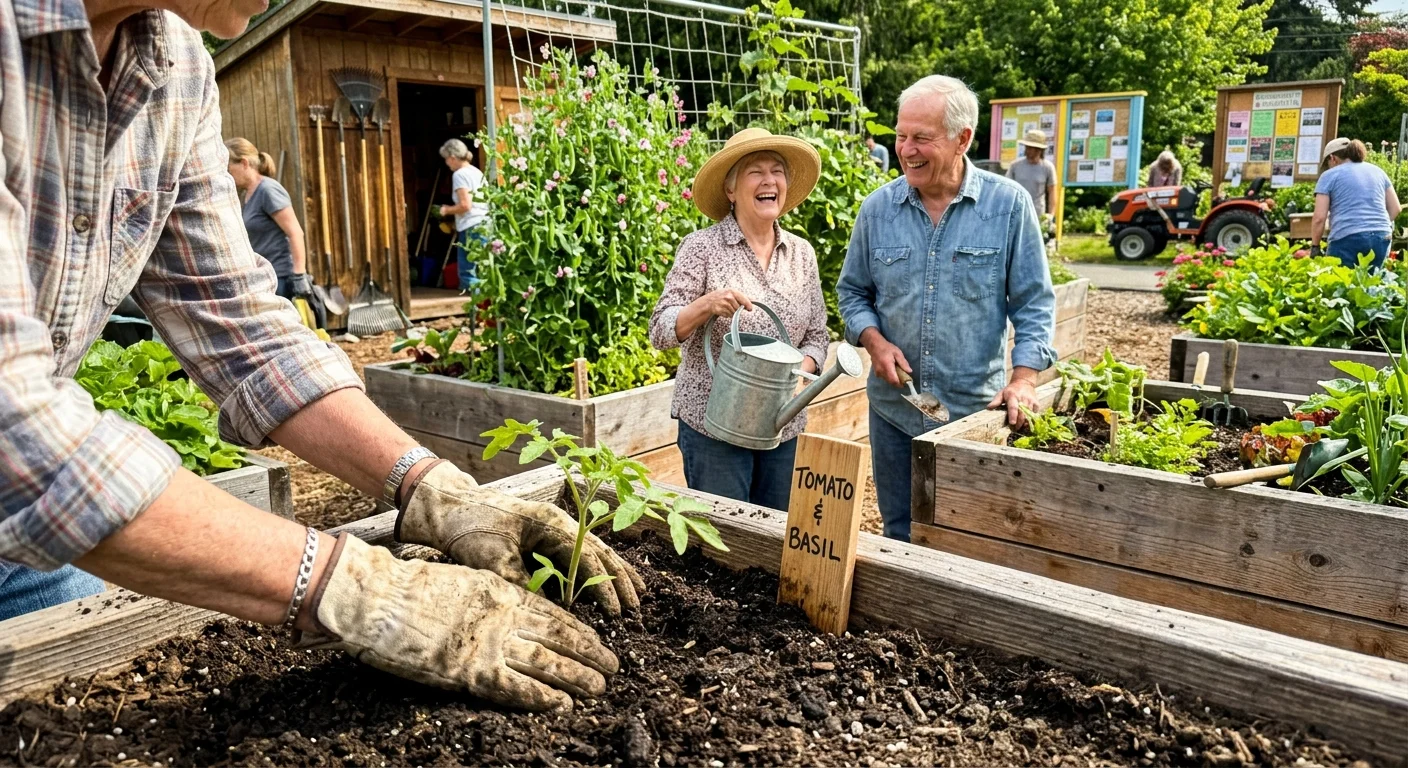
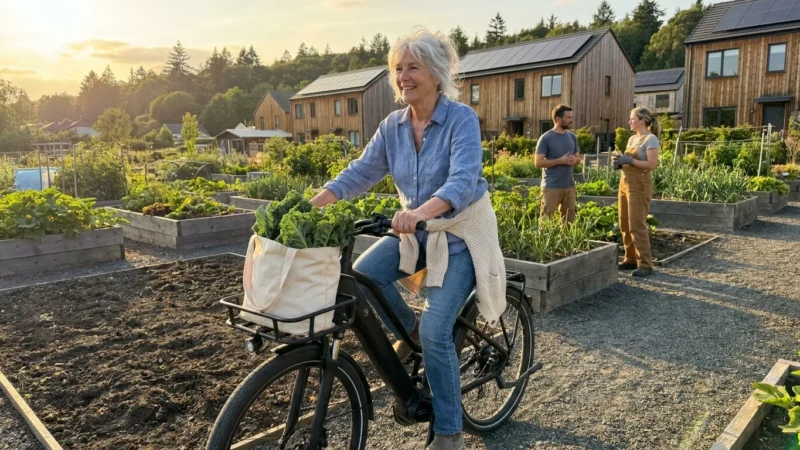
Gardening delivers a whole-body workout disguised as a relaxing hobby. Weeding, raking, and planting engage functional muscle groups while promoting healthy joint flexibility.
Nurturing vegetables, flowers, or fruit trees creates measurable daily goals. Watching your seeds develop provides an immediate sense of accomplishment that passive television watching never delivers.
If you have limited yard space, container gardening on a patio works brilliantly. Raised garden beds eliminate painful kneeling and make soil maintenance effortless.
You can also contact your county agricultural extension office to join a Master Gardener program. These volunteer organizations teach sustainable horticulture and connect you with passionate local growers.

Intellectual Pursuits That Sharpen Mental Agility
Your brain requires regular mental challenges to maintain neuroplasticity. Swapping passive viewing for active learning exercises your memory, focus, and analytical thinking.
4. Audit Tuition-Free University Courses
Higher education does not belong exclusively to young degree seekers. College campuses offer immense cultural resources, vast libraries, and stimulating lectures for older learners.
Public university systems across all fifty states offer statutory tuition waivers or free auditing for older residents. State statutes typically set the eligibility threshold between age 60 and 65.
Auditing allows you to attend advanced lectures and participate in seminars without taking stressful exams. You gain all the intellectual stimulation without worrying about term papers or grades.
Additionally, the Osher Lifelong Learning Institute operates across more than 120 college campuses nationwide. These institutes offer low-cost, non-credit courses designed specifically for adults aged 50 and older.
5. Revive Tactile Crafts and Maker Skills
Working with your hands establishes a deep, meditative mental focus. Tactile hobbies demand hand-eye coordination, spatial reasoning, and creative problem-solving.
Consider woodworking, pottery, leathercraft, or precision model building. These activities produce tangible heirlooms that you can display proudly or gift to family members.
Fiber arts like knitting, quilting, and weaving also provide rhythmic stress relief. Crafting clubs frequently meet at local community centers, giving you an instant creative peer group.
Local community colleges and makerspaces rent out specialized tools like 3D printers and laser cutters. Joining a makerspace lets you learn modern fabrication techniques alongside fellow hobbyists.
6. Master Strategic Brain Sports and Mind Games
While game shows on television invite passive viewing, complex tabletop games demand active strategy. Competitive mind games force you to calculate odds, anticipate moves, and adapt quickly.
Chess, duplicate bridge, and mahjong provide deep strategic variety that keeps players engaged for decades. These games possess active global communities with organized local tournaments.
Local senior centers and public libraries host weekly duplicate bridge and chess clubs. Joining these sessions pairs rigorous cognitive exercise with spirited, friendly competition.
Learning modern board games also connects you across generational divides. Contemporary strategy games offer fresh mechanics that grandchildren and adult children love playing together.
7. Write Your Personal Memoir or Family History
Every long life holds unique stories, historical moments, and hard-earned wisdom. Writing a memoir ensures your personal legacy survives for future generations.
You do not need commercial publishing ambitions to begin writing. Focus on documenting pivotal life choices, family migration stories, and cherished ancestral traditions.
Pairing your writing with genealogy research creates an absorbing, detective-style hobby. Searching census databases and local historical archives uncovers fascinating family roots.
If writing feels daunting, record audio interviews on your smartphone and transcribe them later. Digital photo books let you combine scanned vintage photographs with narrative captions.
Social Engagement and Purpose-Driven Hobbies
Human beings thrive on social contribution and meaningful connection. Replacing the television screen with communal activities builds a resilient safety net of trusted friends.
8. Deliver High-Impact Community Volunteer Work
Nonprofit organizations desperately need the institutional knowledge, patience, and reliability that seasoned retirees possess. Volunteering redirects your energy toward causes that touch your heart.
Discover localized service opportunities through programs supported by the Administration for Community Living. Their nationwide network coordinates vital community programs for older adults.
Food banks, animal rescue shelters, and literacy coalitions depend heavily on volunteers. Serving a weekly shift establishes an uplifting routine and creates deep social bonds.
The tax code also offers a small financial benefit for your charitable travel. The Internal Revenue Service allows an itemized charitable mileage deduction of 14 cents per mile.
Keep a clear vehicle log recording your volunteer dates, destinations, and driven miles. This straightforward deduction offsets a portion of your local travel expenses at tax time.
9. Launch a Low-Stress Encore Consulting Gig
Leaving full-time corporate work does not mean your professional expertise has expired. Launching a boutique consulting practice lets you work on your own terms.
Advising small businesses or local nonprofits keeps your professional network vibrant. You choose which projects to accept and control how many hours you work each month.
Before launching an encore business, review the official retirement earnings rules at the Social Security Administration. Earning self-employment income can temporarily impact benefits if you claim before Full Retirement Age.
If you have not reached Full Retirement Age in 2026, the annual exempt earnings limit is $24,480. The agency withholds $1 in benefits for every $2 you earn above that threshold.
In the calendar year you reach Full Retirement Age, the 2026 earnings limit rises to $65,160. Once you reach your full retirement month, all earnings test limits vanish completely.
10. Mentor Emerging Professionals and Students
Younger workers face a fast-evolving economy and often lack seasoned career mentors. Offering your guidance helps ambitious professionals navigate complex workplace challenges.
Organizations like SCORE pair experienced executive retirees with eager startup founders. You can mentor entrepreneurs locally or conduct remote advisory sessions from your home office.
School reading programs also welcome retirees to listen to early elementary readers. Sitting with an emerging reader once a week transforms their academic confidence.
Mentorship builds a meaningful bridge across generations. Both mentor and mentee gain valuable perspective, turning idle morning hours into lasting community impact.
11. Convene Community Discussion Circles
If you enjoy literary or political television, transform that interest into a lively live discussion. Book clubs and current affairs roundtables provide platforms for spirited intellectual exchange.
Host monthly meetings at your local library, community clubhouse, or neighborhood park. Rotating discussion leaders ensures every member contributes distinct viewpoints and book recommendations.
You can focus your reading circle on historical biographies, classic literature, or scientific discoveries. Preparing for discussions encourages attentive reading and sparks curious debate.
These gatherings often evolve into regular social meals and theater outings. You create an enduring circle of friends who share your intellectual passions.
12. Organize Purpose-Driven Regional Excursions
Retirement offers the freedom to travel when everyone else is trapped at work. Taking midweek day trips allows you to explore regional treasures without dealing with heavy crowds.
Identify historic architecture, botanical sanctuaries, and art collections within a two-hour drive. Midweek museum admissions and regional train tickets frequently feature senior discounts.
Traveling during off-peak hours cuts your fuel costs and eliminates long ticket lines. You can savor relaxed meals at independent rural diners and farm stands.
Inviting a neighbor or friend turns regional exploration into a regular adventure. Rotating trip planning duties keeps the itinerary fresh, surprising, and budget-friendly.
Comparing Productive Retirement Activities by Cost and Impact
Choosing the right retirement activity depends on your budget, energy level, and personal social goals. The table below outlines how our top recommendations compare across key factors.
| Activity | Estimated Cost | Primary Wellness Focus | Social Interaction Level | Key Practical Benefit |
|---|---|---|---|---|
| National Park Exploration | $20 to $80 pass | Aerobic fitness and mobility | Moderate | Subsidized access to federal lands |
| University Auditing | Free to low-cost | Cognitive sharpness | High | Free higher education credits |
| Local Volunteering | Free (mileage deductible) | Purpose and emotional health | High | 14¢ per mile tax deduction |
| Senior Fitness Groups | Free via Medicare perks | Cardiovascular and strength | Moderate to high | Reduced risk of mobility loss |
| Encore Consulting | Minimal setup expenses | Professional legacy | Moderate | Supplemental retirement income |
| Organic Gardening | Low to moderate seeds/tools | Joint flexibility and nutrition | Low to moderate | Fresh, homegrown organic produce |
| Memoir Writing | Free to nominal supplies | Memory preservation | Low | Lasting family generational legacy |
| Strategy Game Clubs | Free at local clubs | Fluid reasoning and logic | High | Strong community peer group |
How to Break the Daytime Screen Habit
Replacing entrenched television routines requires strategic environmental adjustments. Relying on sheer willpower rarely succeeds when the remote sits right beside your favorite chair.
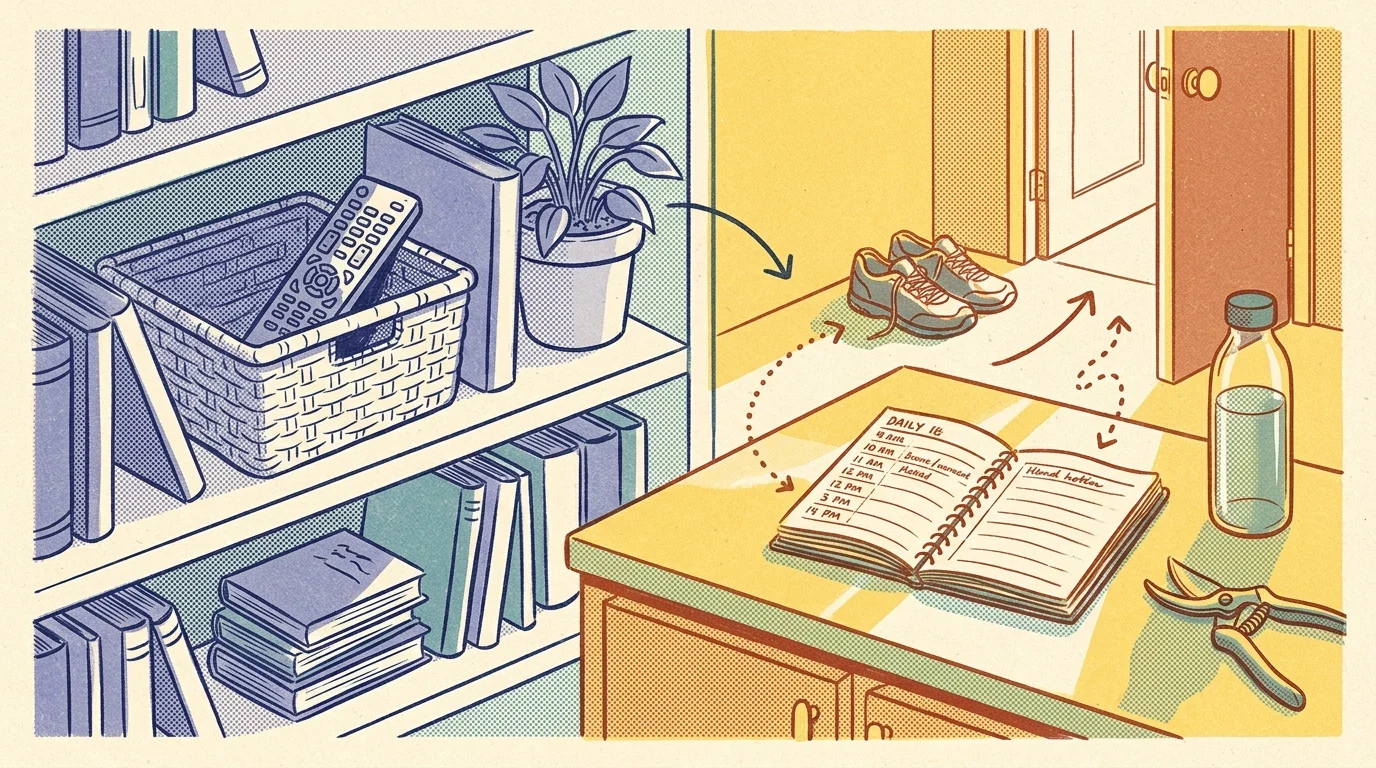
Begin by moving the remote control to an adjacent room or unplugging the television set. Introducing this tiny moment of friction forces you to make a conscious choice.
Establish a morning routine that bans screen use until lunchtime. Fill those early hours with an outdoor walk, light reading, and a wholesome breakfast.
Draft a weekly calendar displaying scheduled community commitments, fitness classes, and hobby blocks. Treat these personal activities with the same respect you once gave business meetings.
Track your physical energy levels over three weeks of reduced screen time. You will quickly notice sharper mental clarity and better nighttime sleep quality.
Frequently Asked Questions
How do I break the habit of turning the TV on first thing in the morning?
Replace your morning television habit with an immediate physical action. Leave your walking shoes near your bed and step outside for a ten-minute walk upon waking.
Listening to an informative audiobook or commercial-free classical music satisfies the desire for auditory background noise. Preparing breakfast in a quiet kitchen creates a peaceful morning mindset.
How can I find free college classes for seniors in my state?
Visit the official website of your state higher education commission or local community college. Search their course catalogs for senior citizen tuition waivers or lifelong learning audit policies.
Most public universities post simple application forms for older residents seeking non-credit auditing. Campus admissions offices can guide you through their space-available registration dates.
Will earning money from a retirement hobby reduce my Social Security?
It depends entirely on your current age and annual net profit. If you have already reached Full Retirement Age, you can earn unlimited income without any benefit withholdings.
If you claim benefits before Full Retirement Age, earnings exceeding the annual limits trigger temporary withholdings. Consult your tax advisor to calculate how part-time hobby income interacts with your benefits.
What are the best low-impact activities if I have physical limitations?
Water aerobics and lap swimming eliminate harsh joint compression while providing safe cardiovascular conditioning. Many community pools maintain warm-water therapeutic pools specifically for older swimmers.
Tabletop strategy games, creative writing, and book clubs deliver vibrant social connection without physical strain. Chair yoga also builds upper-body flexibility from the comfort of a sturdy seat.
Take Control of Your Retirement Hours
Retirement provides the rarest gift of all: full ownership of your daily calendar. Spending that freedom on passive daytime television leaves your talents and interests untapped.
Choose just one new pursuit from this list and schedule it into your coming week. Small steps away from the screen will lead you toward an active, engaged, and joyful retirement.
This article provides general retirement education and information only. Every retiree’s situation is unique—what works for others may not work for you. For personalized advice, consider consulting a qualified financial professional such as a CFP or CPA.
Last updated: March 2026. Retirement benefits, tax rules, and healthcare regulations change frequently—verify current details with official sources.








Leave a Reply