
Escaping freezing northern winds each November transforms your retirement from indoor confinement into an active outdoor adventure. Selecting the ideal warm-weather base protects both your physical vitality and your long-term retirement savings.
The best winter retirement towns combine affordable living, accessible medical specialists, and welcoming communities tailored to seasonal residents. Navigating local housing shifts, seasonal lease taxes, and state residency rules makes choosing the right location essential.
Here are ten proven snowbird destinations where retirees settle every November to enjoy mild winters, active social networks, and smart financial advantages.
Why November Marks the Seasonal Migration South
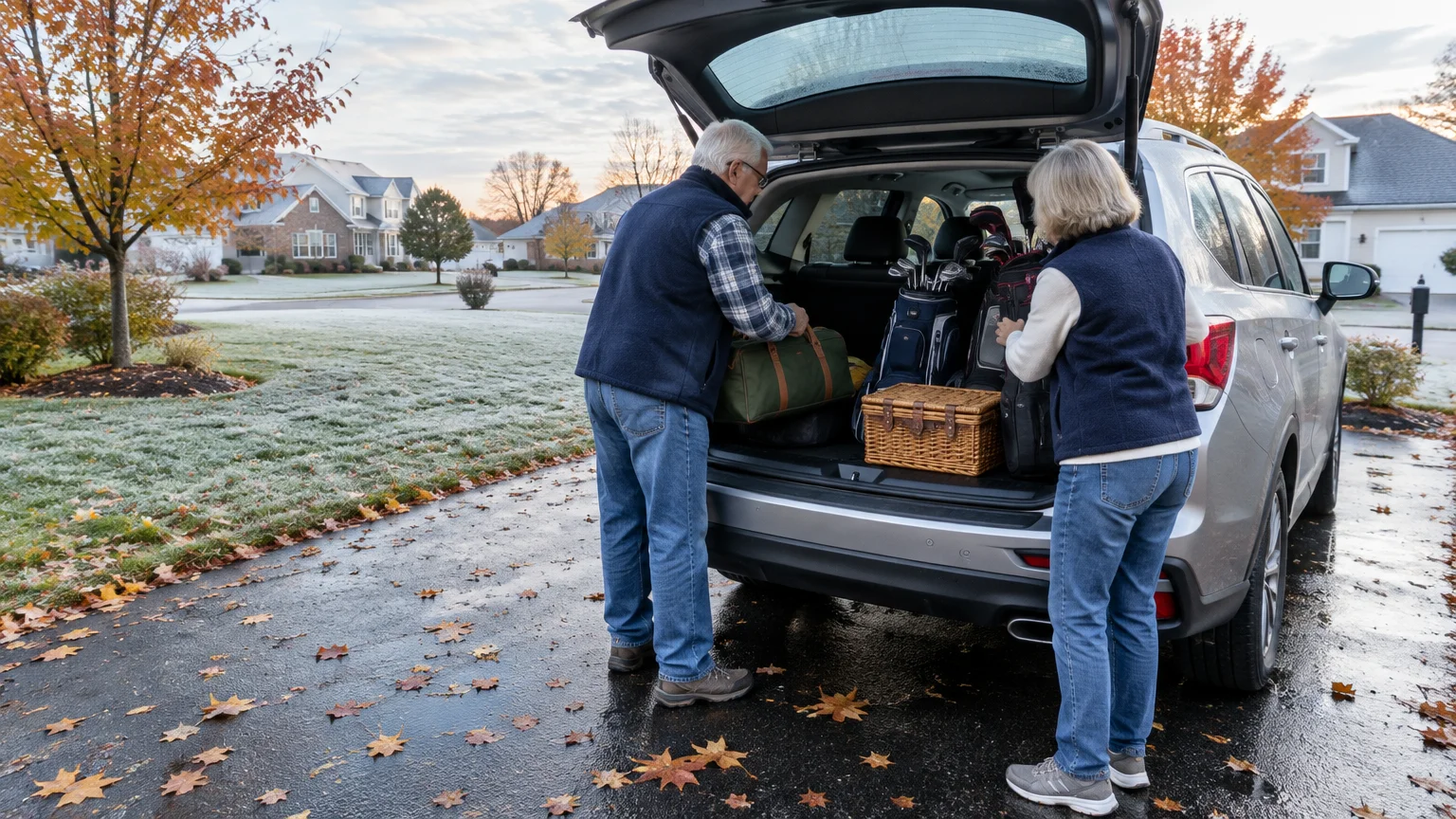
November brings falling leaves, plunging temperatures, and the first threat of freezing ice across northern states. For millions of retirees, this seasonal turning point triggers the annual southern migration.
Moving south before Thanksgiving lets you settle into winter retirement towns ahead of peak holiday congestion. You avoid severe winter driving conditions while establishing your seasonal routine in comfortable, sunny weather.
November also marks the beginning of peak community programming in top seasonal destinations. Golf leagues reorganize, community recreation centers reopen winter schedules, and volunteer groups recruit seasonal participants.
Arriving early provides access to the best rental properties and seasonal rates. It also gives you ample time to coordinate local healthcare services before busy winter clinics reach capacity.
1. Venice, Florida
Venice offers a relaxed coastal atmosphere along Florida’s scenic Gulf Coast. Snowbirds value its historic Italian architectural style, pedestrian-friendly downtown avenues, and quiet, uncrowded beaches.
Real estate values remain attractive compared to neighboring resort hubs. The typical home value sits at $380,378—a 2.5% decrease year-over-year—with properties going under contract in approximately 42 days.
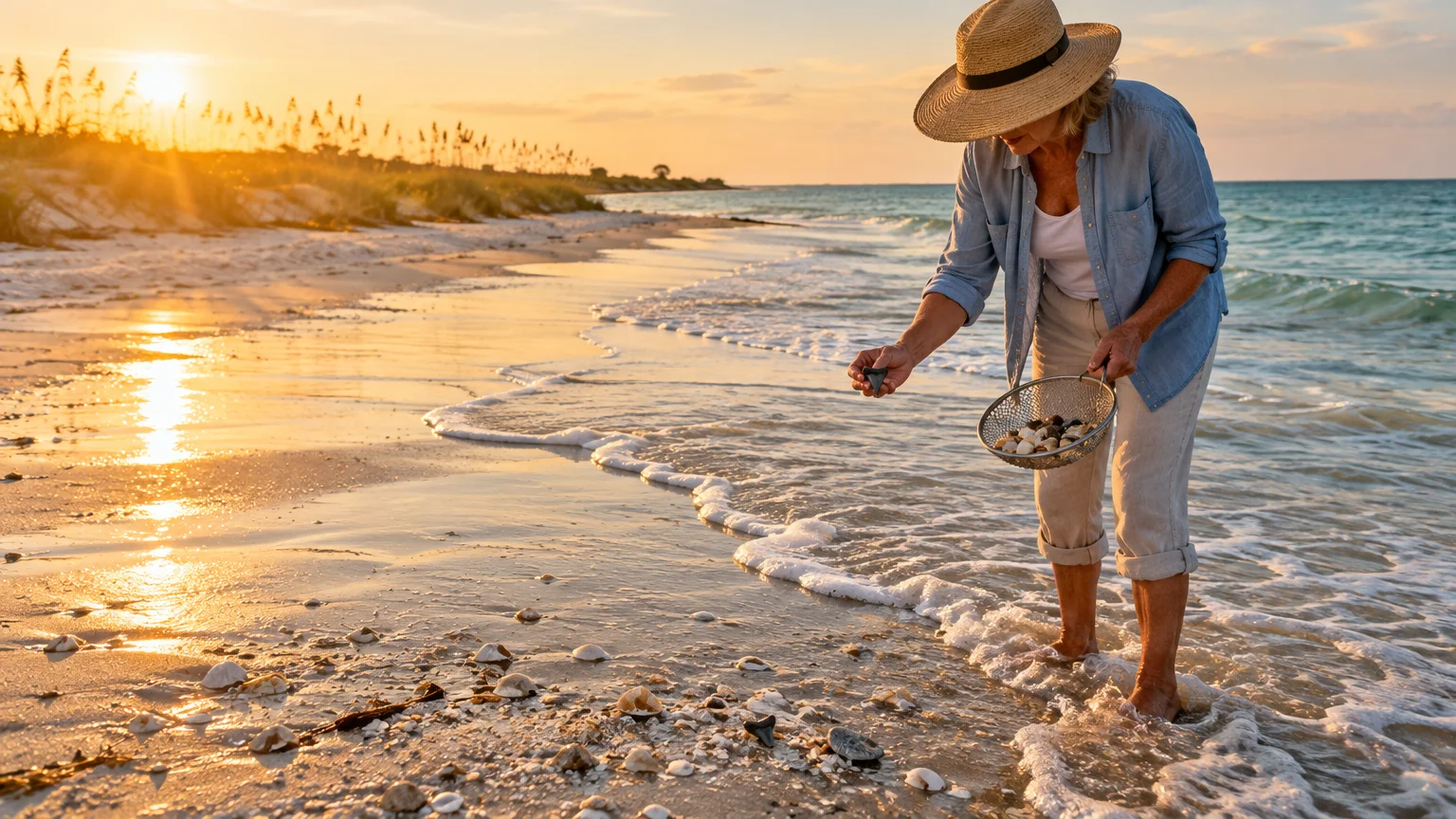
Outdoor recreation defines daily life for seasonal residents here. You can search for prehistoric fossilized shark teeth along Caspersen Beach or cycle the paved Venetian Waterway Park trail.
Venice delivers exceptional healthcare through the Sarasota Memorial Health Care System. Furthermore, Florida levies zero state income tax on Social Security benefits, private pensions, 401(k) plans, or individual retirement accounts.
2. Yuma, Arizona
Yuma ranks among the sunniest winter retirement towns in the country. Located in southwestern Arizona along the Colorado River, the city welcomes tens of thousands of seasonal visitors each November.
Budget-conscious retirees appreciate Yuma’s affordable housing market. The typical home value is $293,382, reflecting a modest 0.1% increase year-over-year, with listings going to pending status in about 33 days.
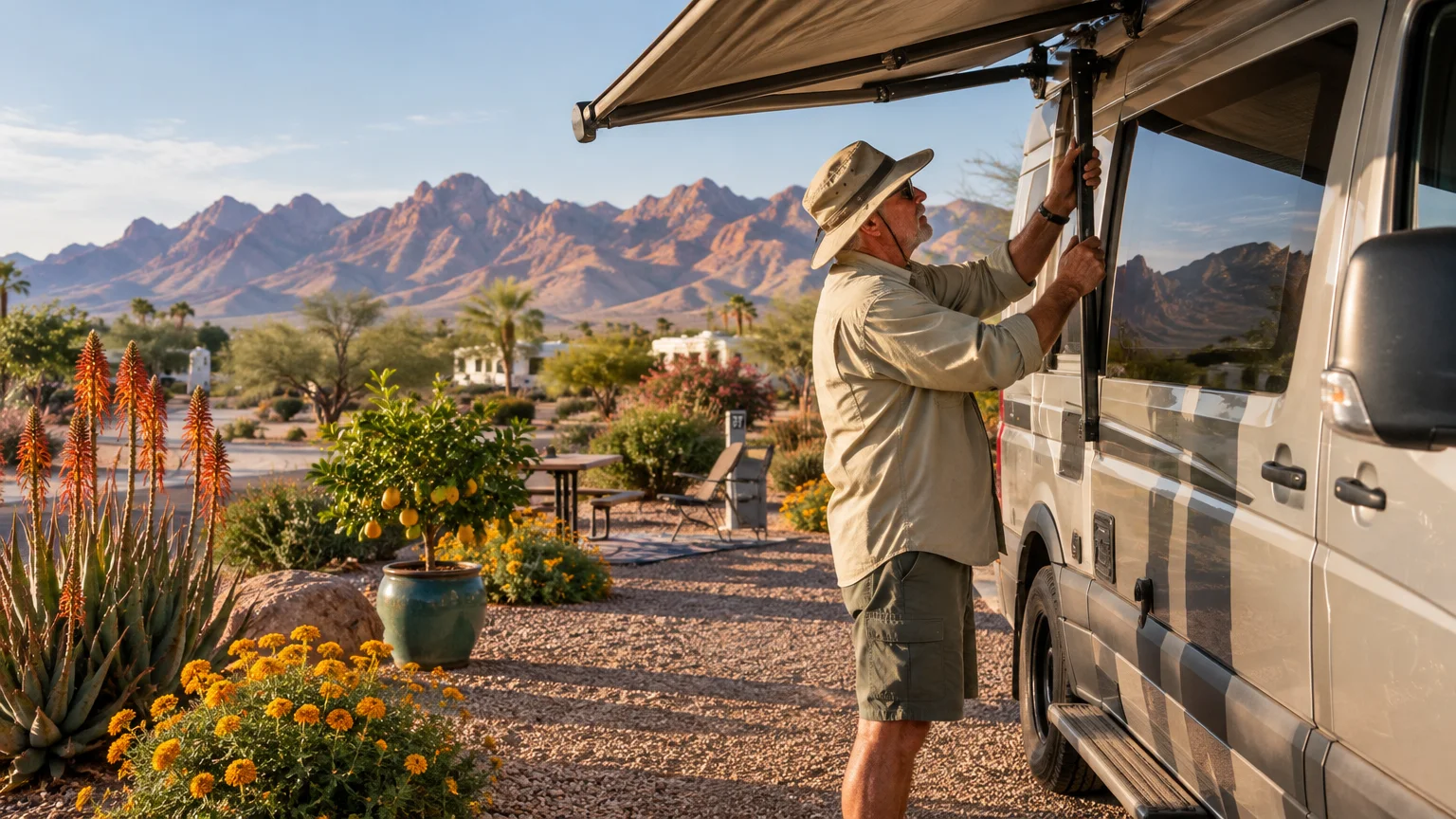
Seasonal residents gather across extensive RV resorts and active 55-plus communities. Boating on the Colorado River, hiking desert nature preserves, and playing municipal golf courses keep retirees physically active.
Yuma also offers unique cross-border healthcare access. Many retirees travel a short distance to Los Algodones, Mexico, to access low-cost dental care and prescription medications.
Arizona supports retirement budgets with a low flat state income tax rate of 2.5%. The state completely exempts Social Security income from tax, leaving more money in your travel fund.
3. Corpus Christi, Texas
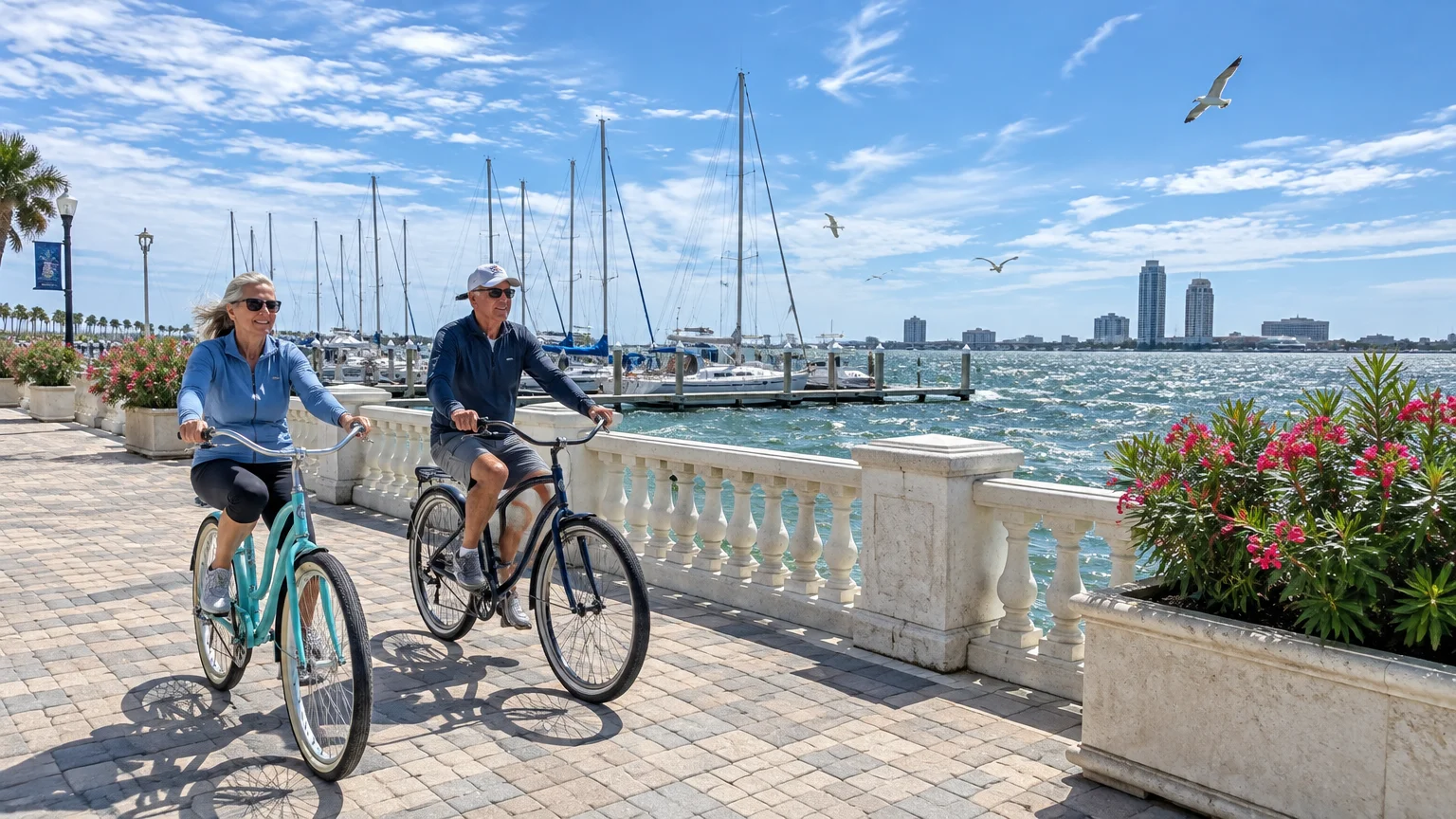
Corpus Christi gives winter retirees a vibrant coastal haven on the western Gulf of Mexico. Mild sea breezes and semi-tropical winter days create an appealing climate for northern travelers.
Housing in Corpus Christi remains remarkably affordable for oceanfront living. The typical home value is $222,115, up 0.6% year-over-year, with properties averaging 59 days to pending status.
Retirees explore the pristine shores of Padre Island National Seashore and fish along scenic public piers. Birdwatchers celebrate the region as an internationally renowned migratory corridor with hundreds of wintering bird species.
Texas provides significant tax relief for seasonal residents. The state imposes zero personal income tax, safeguarding your pensions, investment dividends, and retirement account withdrawals from state-level taxation.

4. Sarasota, Florida
Sarasota attracts retirees seeking sophisticated cultural entertainment alongside award-winning Gulf Coast beaches. The city blends metropolitan cultural resources with a relaxed coastal lifestyle.
Real estate commands a premium for Sarasota’s coastal luxury. The typical home value stands at $410,998, down 1.5% year-over-year, with homes securing purchase contracts in roughly 56 days.
Snowbirds spend winter mornings walking the soft quartz sands of Siesta Beach. Afternoons offer world-class exhibits at the Ringling Museum of Art or performances at the historic Sarasota Opera House.
Medical infrastructure in Sarasota is among the best in the state. Top-rated specialists, regional research hospitals, and outpatient surgical centers support retirees who have complex health management needs.
5. Tucson, Arizona
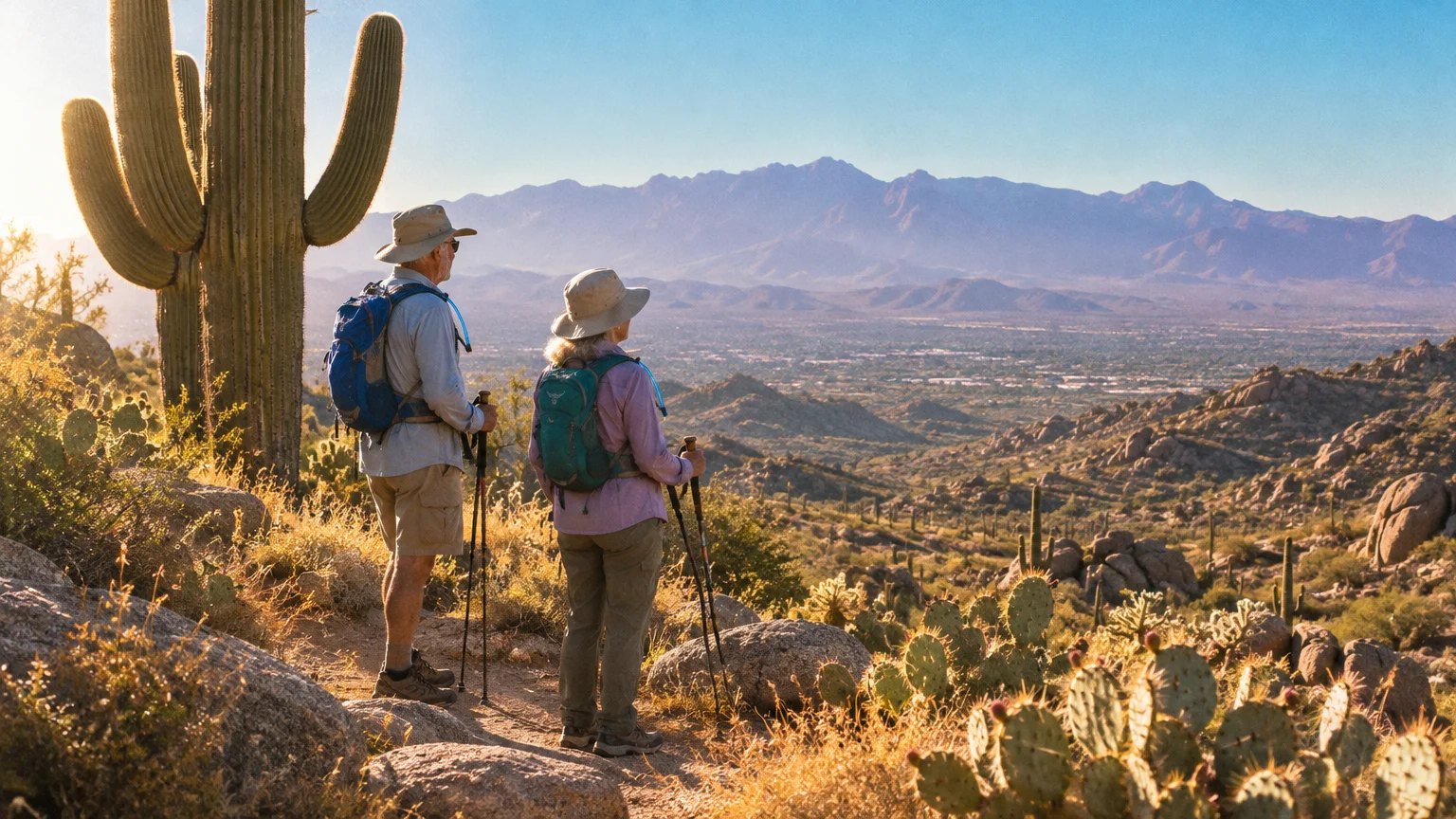
Tucson draws snowbirds who prefer majestic mountain panoramas and crisp desert air. Surrounded by five distinct mountain ranges, this southern Arizona city avoids the extreme traffic of larger metropolitan areas.
Housing opportunities provide exceptional value compared to central Arizona. The typical home value is $318,760—down 1.9% year-over-year—with properties going to pending in around 33 days.
Outdoor enthusiasts spend their winters hiking through Saguaro National Park or exploring Catalina State Park. The presence of the University of Arizona provides continuing education programs, art museums, and collegiate sporting events.
Healthcare facilities are extensive, anchored by Banner University Medical Center and the Southern Arizona VA Health Care System. Arizona’s friendly 2.5% flat tax and full exemption on Social Security make Tucson financially appealing.

6. The Villages, Florida
The Villages represents the nation’s most famous master-planned active adult community. Spanning three central Florida counties, it provides an all-inclusive social environment designed specifically for retirees.
Real estate here caters directly to active seniors. The typical home value sits at $392,424, reflecting a slight 0.8% decrease year-over-year across its diverse neighborhoods.
Life revolves around interconnected golf cart transportation networks. You can drive your golf cart to grocery stores, health clinics, movie theaters, and free nightly entertainment squares.
The community offers championship golf courses, executive layouts, thousands of resident hobby clubs, and comprehensive recreation complexes. Central Florida location shields the area from coastal storm surges while maintaining mild winter temperatures.
7. Gulf Shores, Alabama
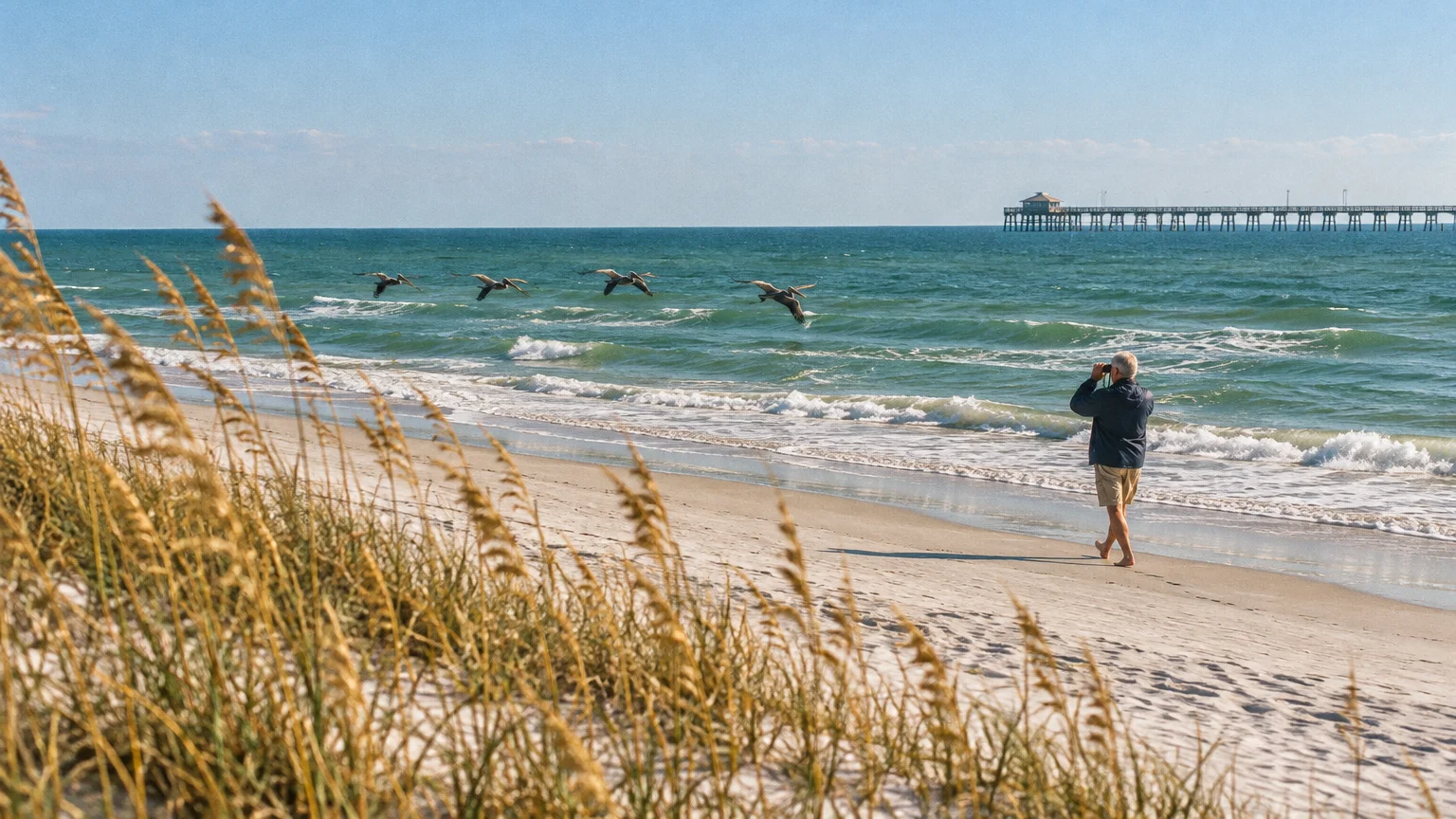
Gulf Shores provides snowbirds with a peaceful coastal escape along the northern Gulf Coast. Known for sugar-white sand beaches, this area balances quiet seaside living with active community programming.
The real estate market shows steady balance and stability. The typical home value is $452,589, holding flat at a 0.0% year-over-year change, with homes going pending in about 75 days.
The local Snowbird Club organizes weekly potlucks, golf outings, book clubs, and charitable volunteer drives. Walkers and birding enthusiasts enjoy the miles of paved trails inside Gulf State Park.
Alabama boasts some of the lowest property tax rates in the entire country. The state also exempts Social Security benefits and defined-benefit government pensions from state income taxation.

8. St. George, Utah
St. George offers snowbirds dramatic red sandstone landscapes and mild Mojave Desert winters. Located in southwestern Utah, the city provides an outdoor-focused escape for retirees fleeing the northern Rockies.
The local housing market reflects high demand for scenic desert property. The typical home value is $516,153, down 0.6% year-over-year, with properties entering pending status in roughly 44 days.
Retirees enjoy world-class hiking near Zion National Park and Snow Canyon State Park. Year-round golf courses carve emerald fairways directly through black lava rock fields and red sandstone cliffs.
Retirees considering Utah should review state income tax policies carefully. Utah is one of eight states that taxes Social Security benefits to some degree, depending on your overall income level.

9. Naples, Florida
Naples represents the pinnacle of luxury winter retirement living. Located on the southwest coast of Florida, it draws snowbirds who value premier golf communities, fine dining, and pristine shoreline.
The local housing market commands top-tier investment capital. The typical home value is $545,587, down 1.4% year-over-year, with luxury listings averaging 84 days to pending status.
Days are spent browsing upscale boutiques along Fifth Avenue South or watching Gulf sunsets from the historic Naples Pier. Boaters enjoy sheltered inland waterways and direct open access to the Gulf of Mexico.
Healthcare services in Naples are outstanding, led by the comprehensive NCH Healthcare System. Florida’s constitutional ban on individual state income tax helps affluent retirees preserve capital across their investment portfolios.

10. Palm Springs, California
Palm Springs delivers classic desert elegance beneath the towering San Jacinto Mountains. Snowbirds have gathered in this Coachella Valley sanctuary for generations to enjoy dry heat and mid-century style.
Housing prices reflect the enduring prestige of southern California resort markets. The typical home value is $612,063, showing a 0.4% dip year-over-year, with homes going pending in 72 days.
Recreation options include hundreds of manicured golf courses, thermal mineral spas, and world-class tennis clubs. The city also hosts celebrated film festivals, mid-century modern design tours, and vibrant weekly street markets.
California exempts Social Security income from state taxation. However, the state taxes pensions, traditional 401(k) withdrawals, and regular IRA distributions as ordinary income at progressive rates reaching up to 13.3%.
Comparing the Top 10 Winter Snowbird Destinations
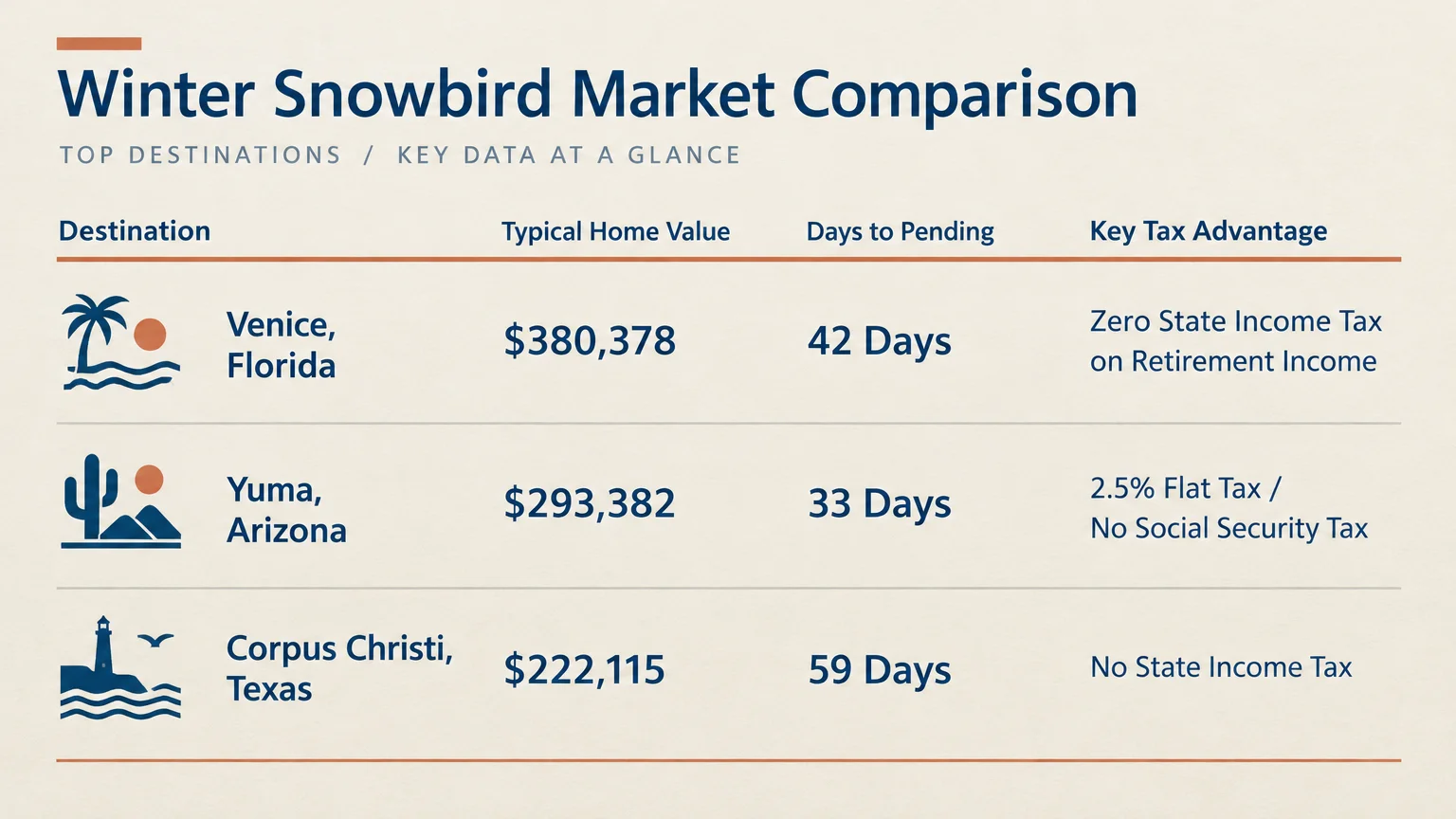
Selecting the right seasonal town requires balancing housing costs, transaction speeds, and tax policies. The table below outlines key real estate metrics and tax details for each destination.
| Town & State | Typical Home Value | Median Days to Pending | State Income Tax on Social Security | Key Winter Highlight |
|---|---|---|---|---|
| Venice, FL | $380,378 | 42 | No Tax (0% State Income Tax) | Shark tooth hunting, walkable historic downtown |
| Yuma, AZ | $293,382 | 33 | No Tax (2.5% Flat State Income Tax) | Nation-leading sunshine, affordable RV living |
| Corpus Christi, TX | $222,115 | 59 | No Tax (0% State Income Tax) | Budget-friendly Gulf living, coastal birding |
| Sarasota, FL | $410,998 | 56 | No Tax (0% State Income Tax) | Cultural arts, quartz sand at Siesta Beach |
| Tucson, AZ | $318,760 | 33 | No Tax (2.5% Flat State Income Tax) | Saguaro National Park, collegiate arts |
| The Villages, FL | $392,424 | N/A | No Tax (0% State Income Tax) | Golf cart connectivity, daily live entertainment |
| Gulf Shores, AL | $452,589 | 75 | No Tax (Social Security Exempt) | Active snowbird clubs, low property taxes |
| St. George, UT | $516,153 | 44 | Taxed to Some Degree | Red rock canyons, proximity to Zion National Park |
| Naples, FL | $545,587 | 84 | No Tax (0% State Income Tax) | Luxury golf resorts, Fifth Avenue dining |
| Palm Springs, CA | $612,063 | 72 | No Tax (Pensions/IRAs taxed up to 13.3%) | Mid-century architecture, thermal mineral springs |
National rental markets also influence snowbird decisions. With the national average rent standing at $1,932 per month, lock-and-leave ownership often provides predictable long-term costs for recurring winter stays.
Navigating Taxes, Leases, and State Domicile Rules
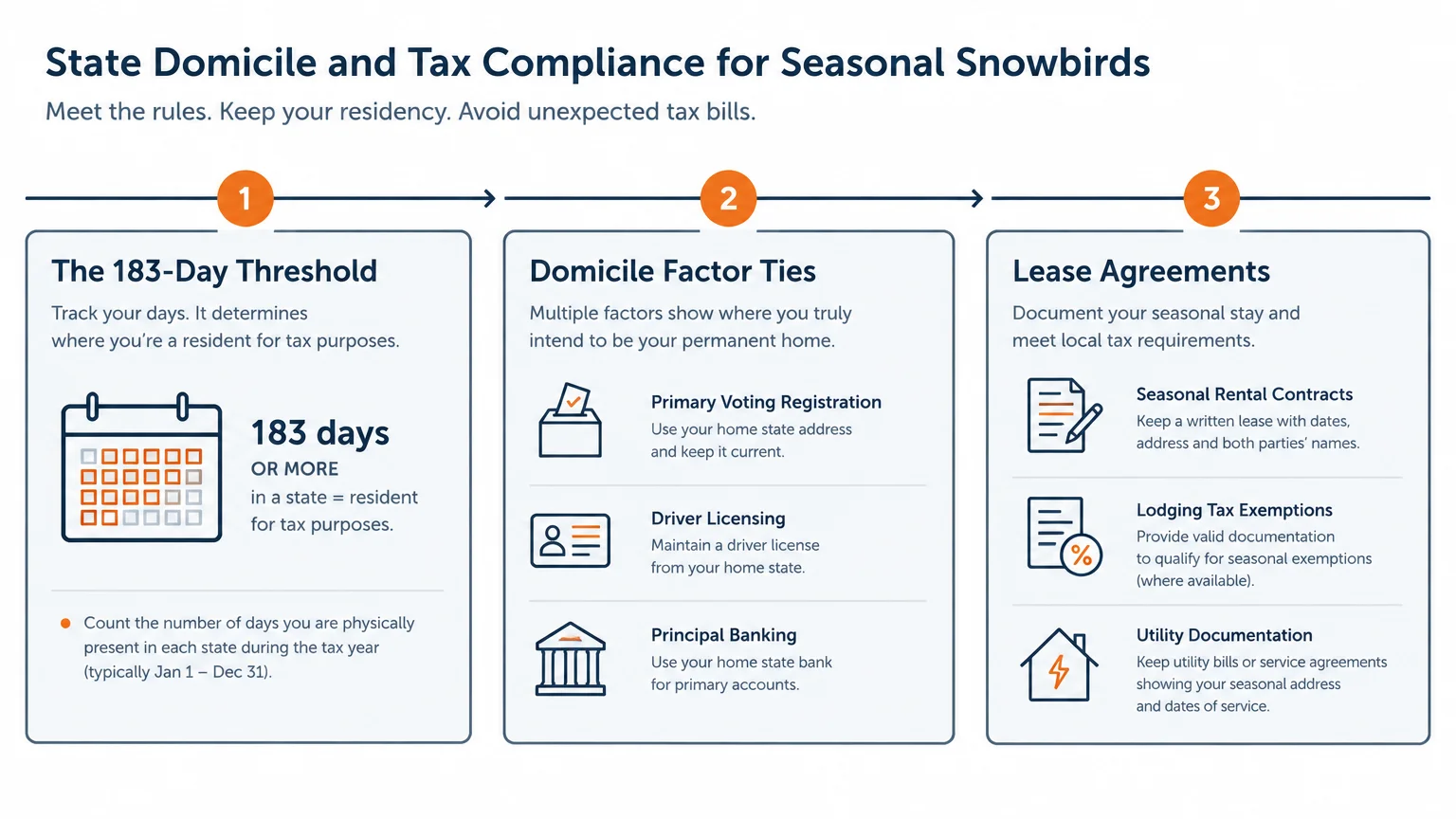
Living across state lines requires careful attention to residency guidelines. Most northern states enforce a strict statutory residency standard known as the 183-day rule.
If you maintain a permanent residence up north and spend more than 183 days there, that state taxes your worldwide income. State auditors track residency using credit card swipes, mobile phone location records, and highway toll logs.
Establishing legal domicile in a tax-free state like Florida or Texas requires genuine commitment. You must move your voter registration, driver’s license, primary banking accounts, and primary healthcare providers to your new base.
“The goal is not to quit working, it is to move toward what gives your life meaning and vitality.” — Mitch Anthony, Retirement Lifestyle Author and Educator
Seasonal renters in Florida face a specific tax rule regarding lease durations. Under Florida Statute § 212.03, residential leases of six months or fewer (183 days or less) trigger mandatory transient rental taxes.
These local discretionary surtaxes and county tourist development bed taxes can add significant expense to your winter housing budget. Signing a lease for at least six months and one day legally exempts you from these transient taxes.
Review comprehensive consumer guidance from the Consumer Financial Protection Bureau (CFPB) before signing binding seasonal rental contracts. Protecting your deposits ensures a smoother transition between states.

Healthcare and Insurance Safeguards for Snowbirds
Managing healthcare across multiple states requires proactive planning before you leave home. A medical emergency in another state can cause serious financial strain without appropriate health insurance coverage.
Original Medicare (Parts A and B) combined with a Medigap supplement provides seamless nationwide protection. You can visit any Medicare-participating doctor or hospital across the United States without out-of-network penalties.
Medicare Advantage (Part C) plans operate differently for seasonal travelers. These private plans often limit routine, non-emergency care to regional provider networks located in your primary home state.
Receiving non-emergency medical care while out of state on a regional Medicare Advantage plan can lead to unexpected out-of-pocket bills. Check coverage details on Medicare.gov before departing for the winter season.
Property protection presents another serious operational hazard for seasonal travelers. Standard homeowners insurance policies generally restrict or void coverage if a residence sits unoccupied for 30 to 60 consecutive days.
A burst water pipe or undetected roof leak in an empty house can lead to completely denied insurance claims. You must notify your carrier and secure a vacancy permit or seasonal endorsement before leaving home in November.
Pitfalls to Watch For
Seasonal retirement living requires balancing practical logistics with personal finances. Avoiding common oversights ensures your winter migration remains enjoyable and cost-effective.
- Overlooking the 183-Day Audit Trap: Crossing the 183-day threshold in your northern state subjects your entire annual income to state income tax. Track your travel days meticulously using travel receipts and personal calendar logs.
- Ignoring Vacancy Clauses on Your Northern Home: Leaving your primary home unmonitored for months risks voiding insurance coverage. Hire a professional home watcher or install smart environmental monitors for water leaks and temperature drops.
- Relying on Restrictive Medicare Networks: Routine treatments or prescription refills may not be covered out of state under restrictive network plans. Establish seasonal relationships with local physicians who accept your primary coverage.
- Underestimating Seasonal Rental Bed Taxes: Booking short-term winter leases in Florida exposes you to substantial tourist bed taxes. Negotiate long-term leases of six months and one day to eliminate transient rental surcharges.
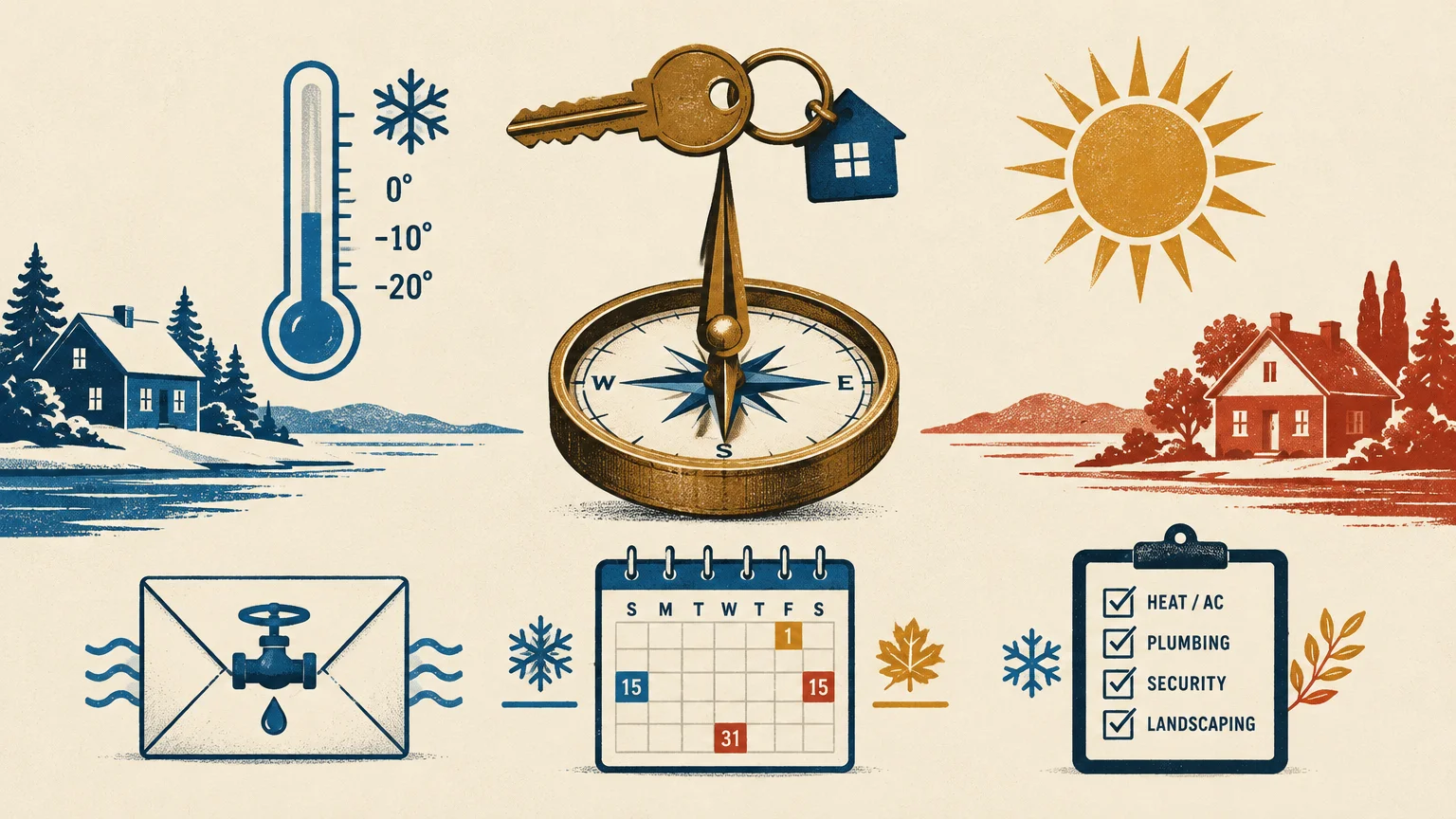
- Failing to Winterize Your Northern Property: Frozen plumbing can cause catastrophic structural flooding while you are away. Shut off your main water valve, drain secondary pipes, and set your thermostat to maintain safe baseline indoor temperatures.
Careful preparation turns winter travel into a seamless annual rhythm. For broader strategies on managing seasonal retirement expenses, consult the educational resources at AARP.
Frequently Asked Questions
When should snowbirds begin booking their winter rental properties?
You should secure your seasonal winter rental nine to twelve months in advance. Prime properties in popular destinations like Venice, Sarasota, and Palm Springs fill quickly with returning annual guests.
Do I have to file state income taxes in two states as a snowbird?
You may need to file dual returns if you earn active income in your winter destination state. However, pure passive retirement income such as Social Security and pensions is generally taxed only by your legal domicile state.
Can I forward my prescription medications to my winter destination?
Most national pharmacy chains allow seamless prescription transfers between branches across state lines. Verify that your insurance plan includes participating retail pharmacies in your chosen winter town before traveling.
How can I protect my vacant home from freezing while I winter down south?
Shut off your main water supply valve, drain exterior hose bibs, and pour non-toxic antifreeze into plumbing traps. Maintain your home heating system at a minimum of 55 degrees Fahrenheit to prevent interior pipes from freezing.
Preparing for Your November Migration
Escaping winter’s harsh grip each November lets you embrace an active lifestyle, outdoor physical fitness, and renewed social connections. Finding your ideal destination requires balancing personal lifestyle preferences against real estate values, healthcare access, and tax policies.
Take time to visit prospective winter towns as a short-term visitor before purchasing seasonal real estate. Testing a community during November gives you an authentic preview of local traffic, neighborhood amenities, and community culture.
This article provides general retirement education and information only. Every retiree’s situation is unique—what works for others may not work for you. For personalized advice, consider consulting a qualified financial professional such as a CFP or CPA.
Last updated: October 2026. Retirement benefits, tax rules, and healthcare regulations change frequently—verify current details with official sources.









Leave a Reply