
A single extended health crisis can dismantle decades of disciplined retirement saving in just a few short years. Understanding your care options today protects both your nest egg and your family’s financial independence tomorrow.
Soaring assisted living rates, longer lifespans, and major policy design innovations are transforming long term care planning nationwide. Today, retirees reconsidering LTC insurance are discovering modern solutions that bear little resemblance to older, unpredictable policies.
Whether you want to safeguard hard-earned assets or ensure quality care at home, re-evaluating this coverage is essential for a secure retirement.
1. Soaring Custodial Care Costs Outpacing Inflation
The price of receiving daily medical and personal assistance has reached historic highs across the country.
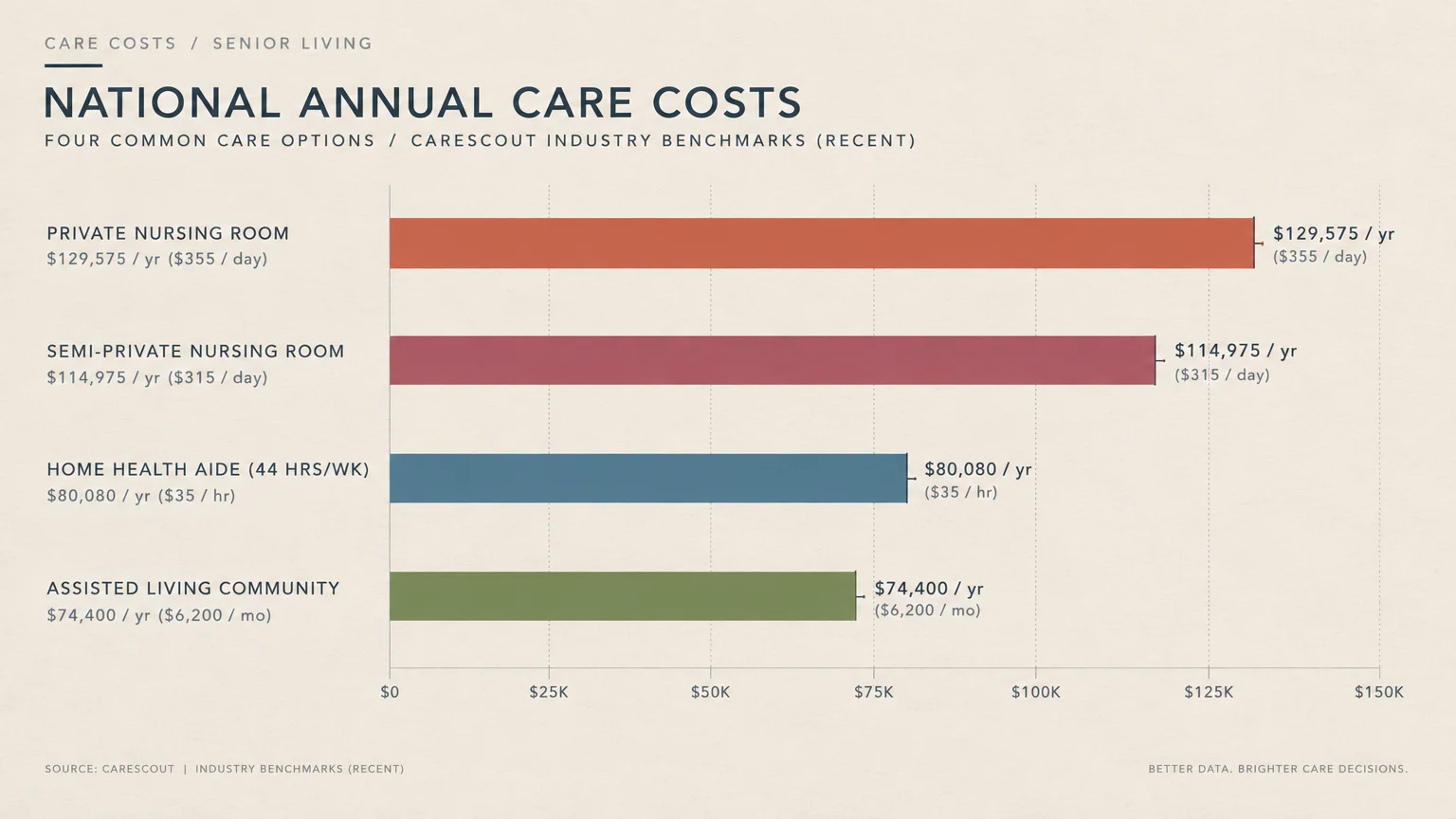
According to recent industry benchmarks from CareScout, the national median cost for an assisted living community is now $6,200 per month. That equals $74,400 annually for basic residential support.
If your health requires skilled nursing home care, the expenses escalate rapidly. A private room averages $355 per day, which totals $129,575 each year.
Semi-private accommodations provide only modest relief, averaging $315 per day or $114,975 annually.
Even non-medical home health aides now command a national median rate of $35 per hour. Securing 44 hours of weekly in-home support costs approximately $80,080 per year.
Without dedicated insurance protection, these compounding expenses can quickly force you to liquidate retirement portfolios during market downturns.
2. The Misunderstood Limits of Traditional Medicare
Many retirees mistakenly assume that Medicare steps in to fund custodial assistance when physical mobility declines.
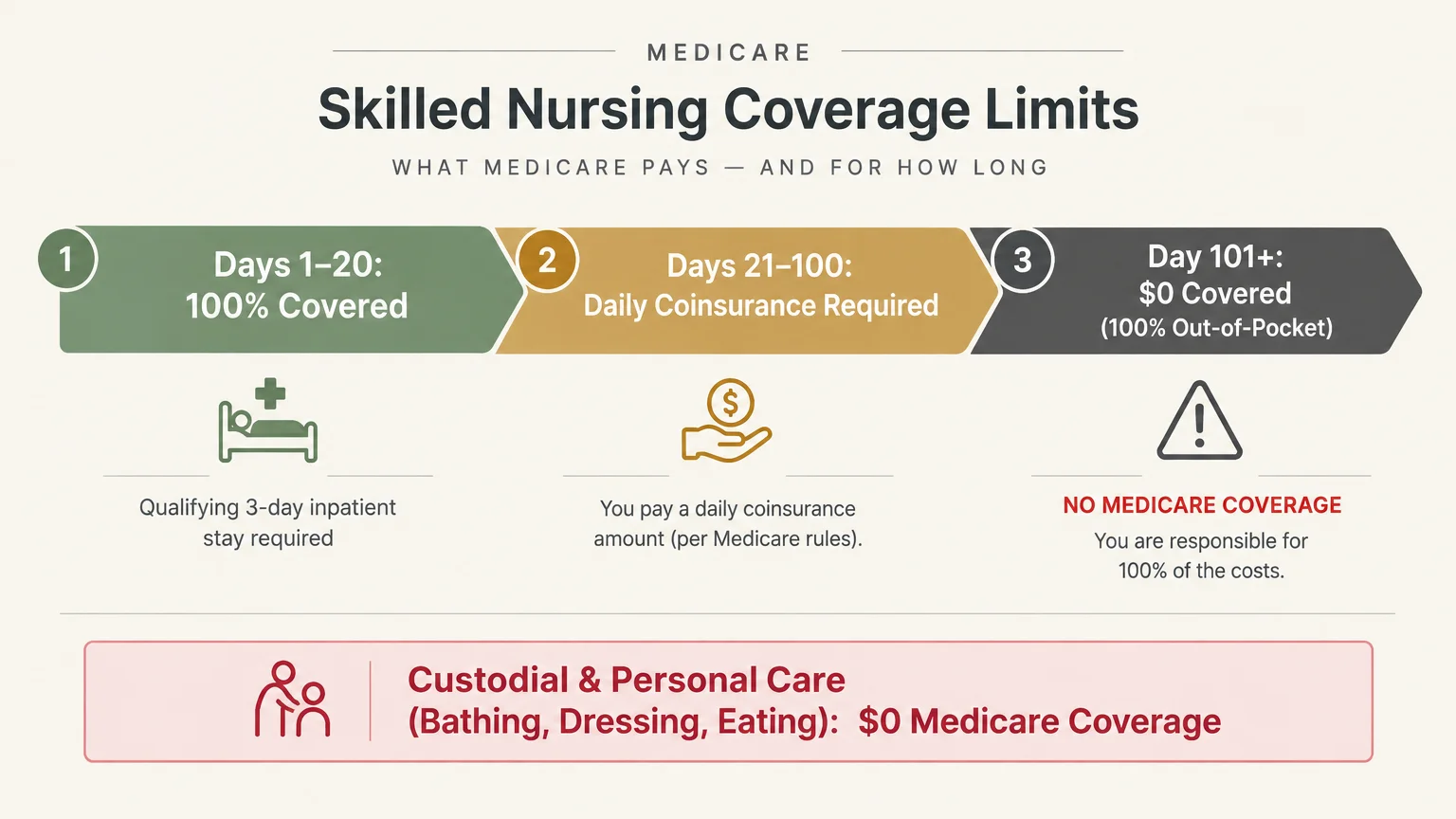
In reality, Medicare does not cover non-skilled custodial care. If you only need assistance with bathing, dressing, or eating, Medicare pays nothing.
The program covers skilled nursing facility care only after a qualifying three-day inpatient hospital stay. Even then, full coverage lasts just 20 days.
From days 21 through 100, you must pay substantial daily coinsurance out of your own pocket. After day 100, Medicare coverage ends entirely.
Relying on standard government healthcare to cover prolonged cognitive or physical impairment leaves you completely exposed to catastrophic expenses.

3. Severe Medicaid Spend-Down Rules and Asset Depletion
Relying on Medicaid as your default safety net requires you to exhaust your personal wealth first.
To qualify for Medicaid nursing home benefits, most states mandate that you spend down your countable liquid assets to roughly $2,000. This threshold leaves almost no room for personal savings.
Furthermore, Medicaid enforces a strict five-year look-back period on all asset transfers. Gifting money to your children to qualify triggers severe financial penalties and delays coverage.
A well-structured insurance policy shields your hard-earned wealth and prevents financial distress for a healthy, surviving spouse.
Retaining your private wealth also preserves your ability to select premier care facilities rather than relying on Medicaid-certified beds.
4. The Dominance of Asset-Based Hybrid Policies
Older insurance policies required you to pay annual premiums indefinitely, even if you never filed a claim. If you died without needing assistance, the insurer kept every dollar.
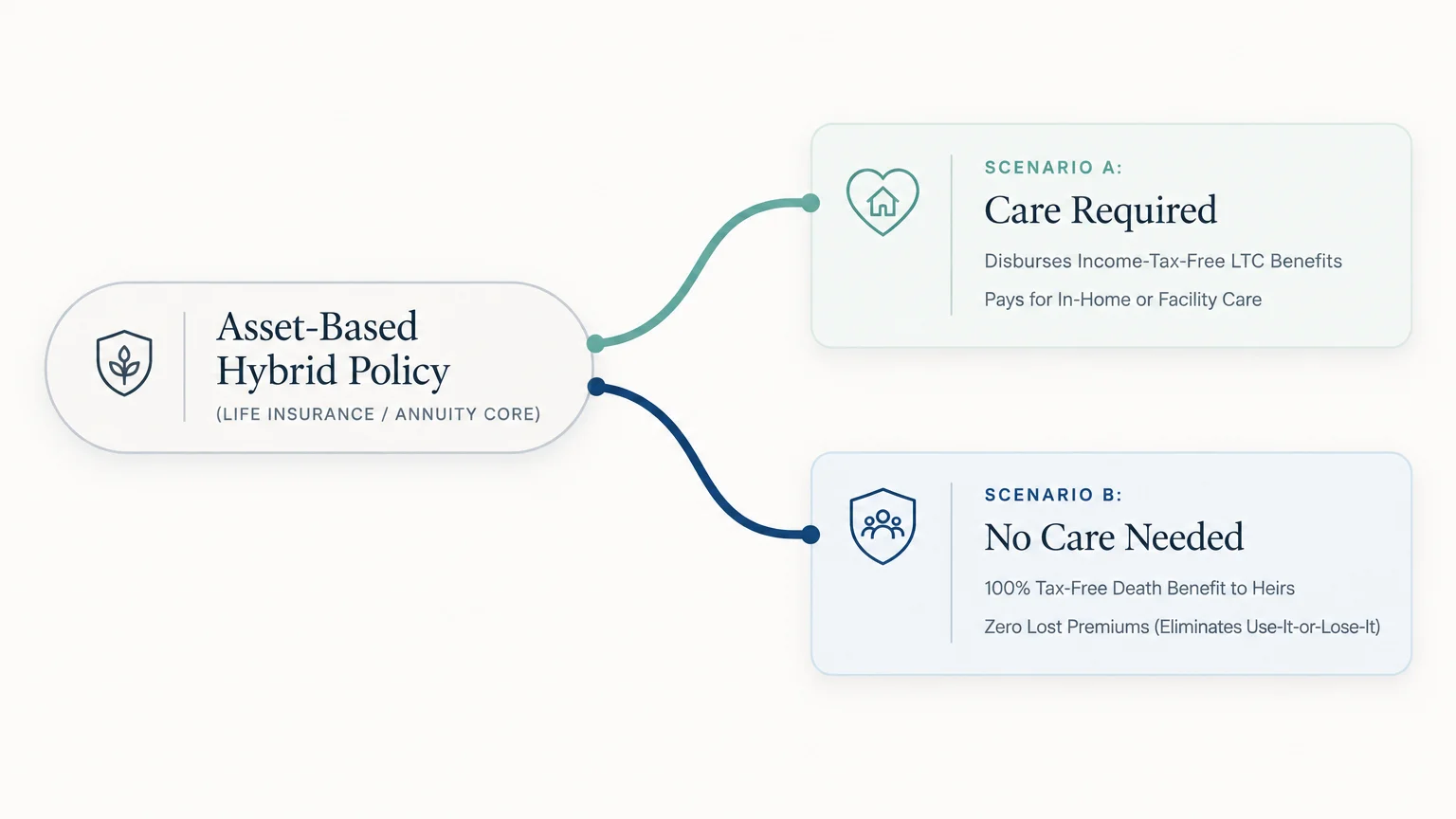
Modern asset-based policies combine permanent life insurance or annuities with long-term care riders. They completely eliminate this traditional use-it-or-lose-it hazard.
If you require supportive care, the policy disburses income-tax-free funds directly to pay qualified caregivers. If you never need care, your chosen heirs receive a tax-free death benefit instead.
Industry data shows that hybrid combination plans now represent 85% to over 90% of all newly purchased individual LTC protection.
Retirees appreciate knowing their capital delivers tangible financial value to their families regardless of future health outcomes.
“Long-term care insurance is a component of a solid retirement plan. If you have assets to protect, it can save your family from emotional and financial devastation.” — Suze Orman, Personal Finance Expert

5. Escalating Underwriting Denial Rates as You Age
Securing long-term care protection requires passing strict medical underwriting requirements. As you age, your likelihood of approval drops dramatically.
Data from the American Association for Long-Term Care Insurance reveals that carriers decline roughly 14% to 18% of applicants in their fifties.
That decline rate climbs to between 25% and 30% for applicants in their sixties.
By age 70, medical denial rates exceed 45% to 50%. Insurers scrutinize joint replacements, chronic cardiovascular conditions, and minor cognitive changes.
Retirees are locking in policies earlier to preserve their insurability before new medical diagnoses disqualify them permanently.
6. Rate Stability Innovations on Modern Policies
Decades ago, standalone policies suffered from flawed actuarial assumptions regarding interest rates and policy lapse behavior.
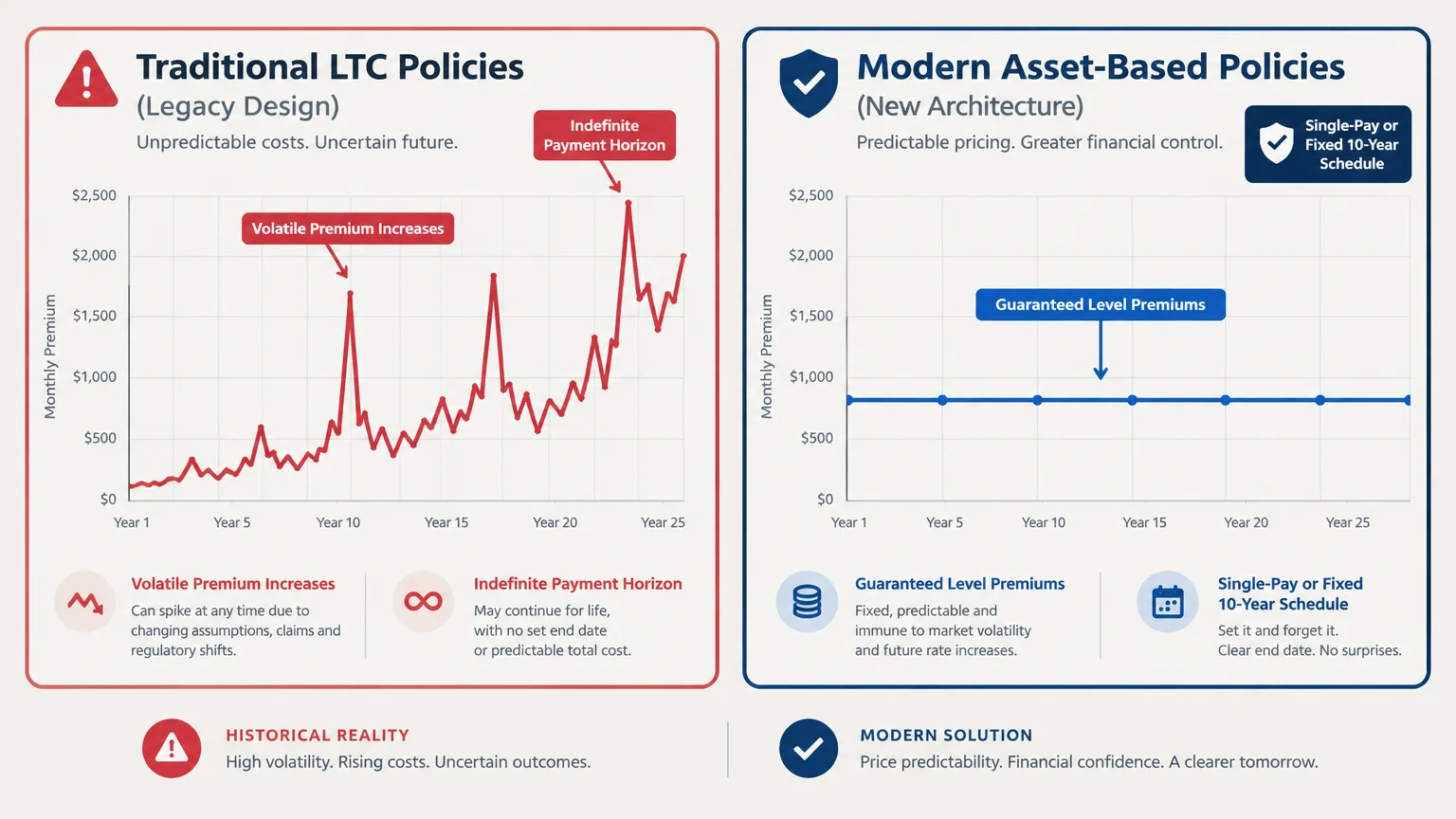
As claim durations grew longer, state regulators approved cumulative rate hikes between 20% and 100% on older policy blocks. Those unexpected spikes alarmed many consumers.
Today’s hybrid policies solve this problem by locking in guaranteed premium schedules upfront. You can fund your coverage with a single lump sum or a predictable multi-year payment plan.
Because these modern contracts are fully paid-up after a set period, you face zero risk of future rate shocks.
This predictable pricing structure provides peace of mind for retirees living on fixed investment distributions.

7. Favorable IRS Tax Deductions and HSA Funding
The federal government provides meaningful tax advantages to encourage private long term care planning.
Under Internal Revenue Code Section 213(d), tax-qualified premiums qualify as deductible medical expenses. You can deduct them if total medical expenses exceed 7.5% of your Adjusted Gross Income.
The Internal Revenue Service establishes generous age-based deduction ceilings that increase significantly as you grow older.
- Age 40 or younger: Up to $480 per individual
- Age 41 to 50: Up to $900 per individual
- Age 51 to 60: Up to $1,800 per individual
- Age 61 to 70: Up to $4,810 per individual
- Age 71 and older: Up to $6,020 per individual
A married couple who are both 71 or older can deduct up to $12,040 in qualifying premiums each year.
Additionally, you can pay these eligible premiums directly from a Health Savings Account (HSA) using tax-free dollars.
8. Emerging State-Level Payroll Tax Mandates
State governments are grappling with escalating Medicaid expenditures and are pursuing aggressive new legislative solutions.
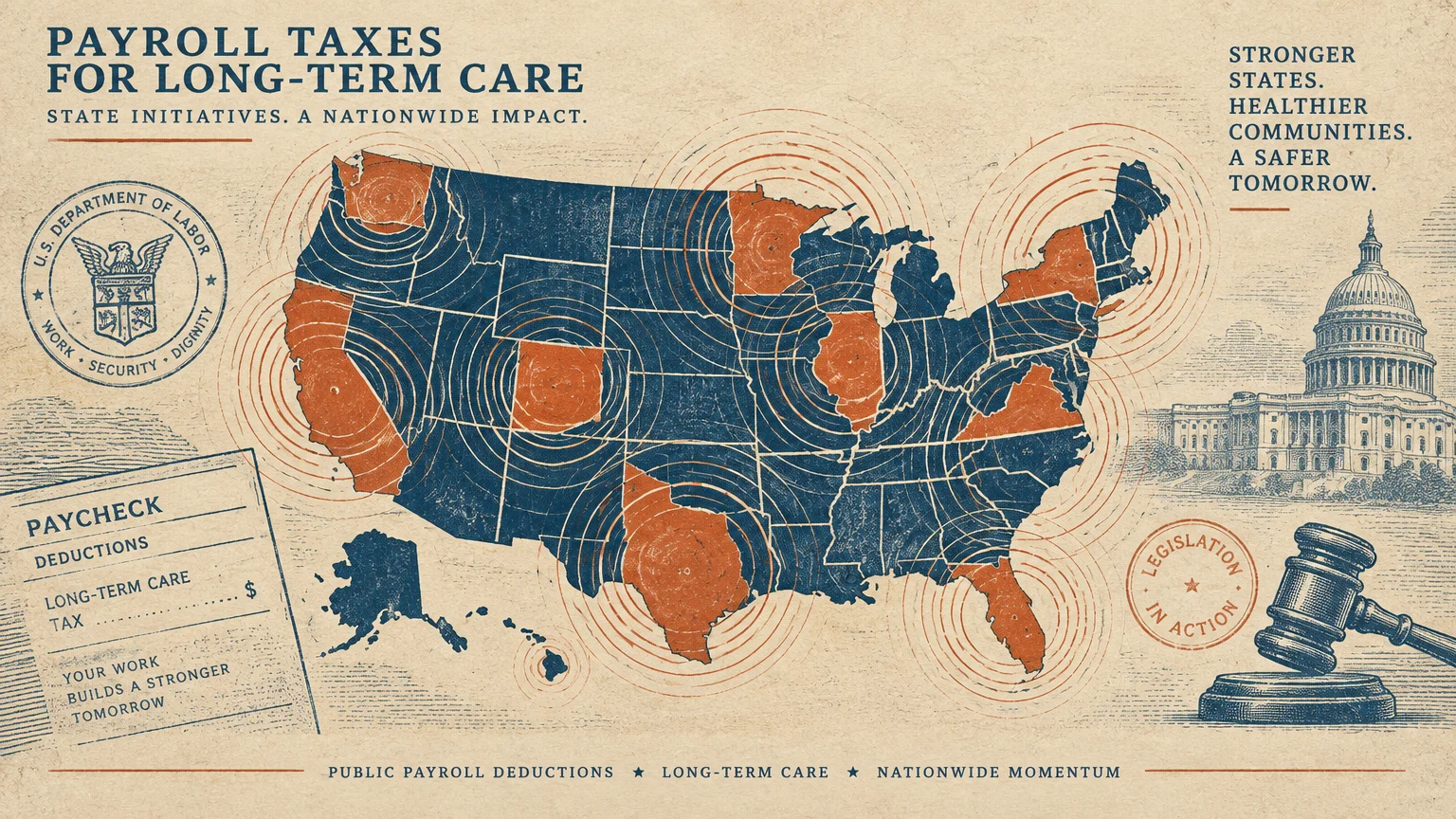
Washington State established the WA Cares Fund, implementing a mandatory 0.58% payroll tax on workers to fund a modest lifetime benefit of $36,500.
To avoid the lifetime tax, Washington required residents to own qualifying private policies before a strict cutoff date.
States like California, New York, and Minnesota are considering similar legislative proposals to balance their healthcare balances.
Pre-retirees are purchasing private policies now to ensure they can opt out of any future state payroll deductions.

9. Protecting Family Caregivers from Severe Burnout
The emotional and physical reality of caring for aging family members often overwhelms even the most dedicated adult children.
The U.S. Department of Health and Human Services estimates that nearly 70% of individuals turning 65 will require supportive care during their lifetimes.
The average care event lasts approximately three years. Women need care for an average of 3.7 years, while men require 2.2 years.
Roughly 20% of care recipients require ongoing assistance for more than five years.
Unpaid family caregiving frequently forces adult children to scale back work hours, sacrifice promotions, or drain personal savings.
Carrying comprehensive coverage allows your family to supervise your care as loving advocates rather than exhausted physical attendants.

10. Prioritizing In-Home Care and Personal Independence
Most retirees strongly prefer remaining in their own homes rather than transitioning to institutional facilities.
Public programs analyzed by the Administration for Community Living emphasize the vital importance of expanding accessible home and community-based services.
Modern private policies are specifically designed to support this aging-in-place lifestyle. Benefits cover home health aides, adult day care centers, and respite care for family members.
Many policies also pay for essential home safety modifications, such as wheelchair ramps, walk-in showers, and monitoring equipment.
This coverage ensures you receive professional personal care inside familiar surroundings while maintaining your dignity and independence.
Evaluating Coverage Options: Standalone, Hybrid, and Self-Funding
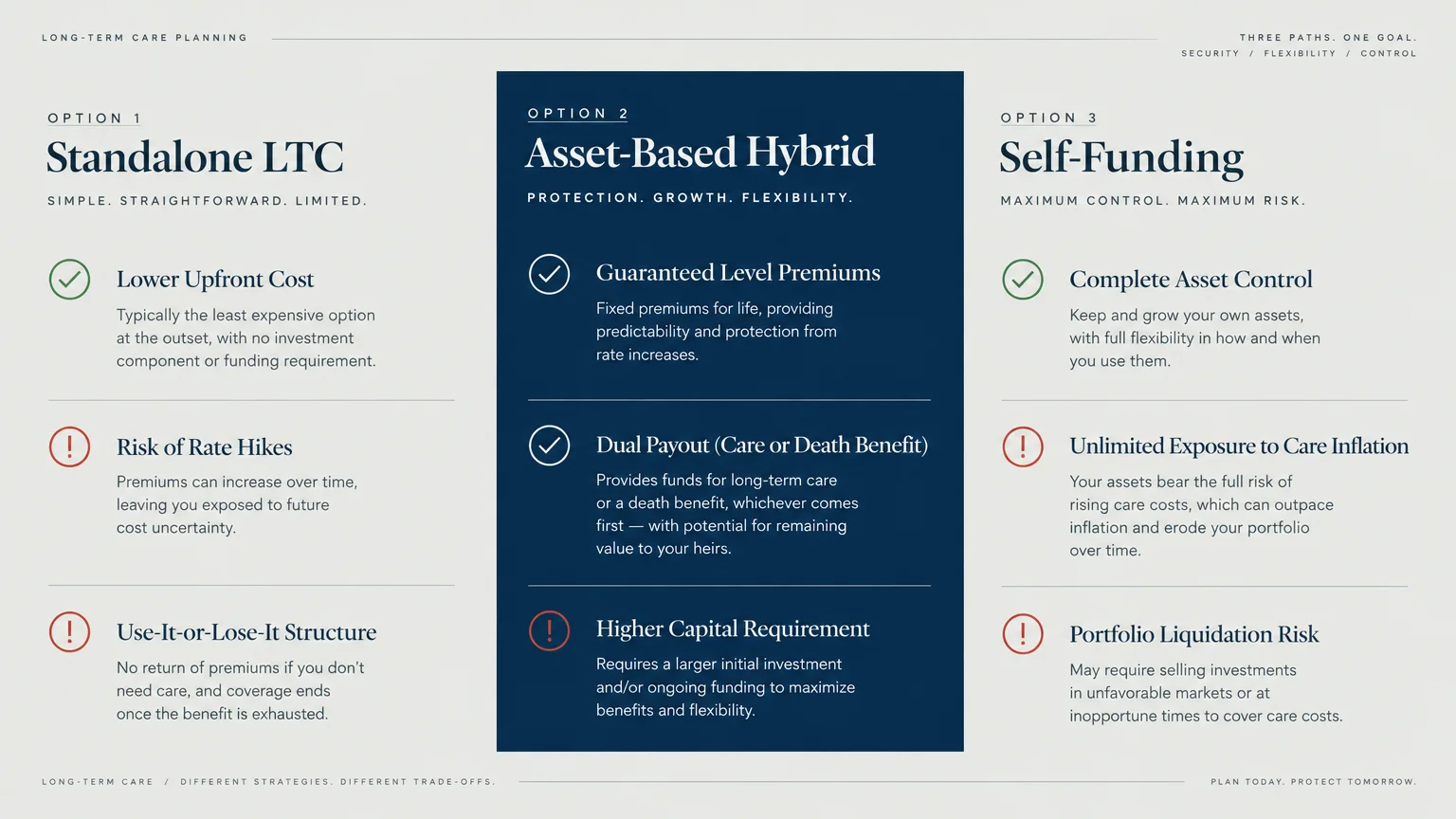
Selecting the right protection strategy requires weighing the distinct pros and cons long term care insurance offers across different product categories.
| Strategy | Premium Certainty | Unused Benefit Payout | Underwriting Leniency | Primary Advantage |
|---|---|---|---|---|
| Traditional Standalone LTC | Variable; rates subject to state-approved increases | None; traditional use-it-or-lose-it design | Strict; high medical declination rates | Lowest initial annual premium outlay |
| Hybrid Life / LTC Policy | Guaranteed; fixed payments or single lump sum | Tax-free life insurance benefit paid to heirs | Moderate; life and health underwriting combined | Eliminates waste; guaranteed return of capital |
| Hybrid Annuity / LTC Policy | Guaranteed; single-premium rollover structure | Remaining cash value passes to beneficiaries | Lenient; simplified issue options available | Accessible for individuals with minor health conditions |
| Self-Funding (Personal Savings) | Not applicable; dependent on market returns | Entire remaining balance stays in your estate | None; no health qualifications required | Complete autonomy over investment assets |
Reviewing this comparison helps determine whether is long term care insurance worth it based on your family health history and wealth profile.
Comprehensive retirement planning resources from Kiplinger similarly suggest reviewing your net worth before choosing between hybrid protection and self-insuring.

Pitfalls to Watch For
Navigating long term care insurance decisions requires avoiding several frequent financial traps.
- Ignoring the elimination period: Many policies enforce a 90-day waiting period before benefits begin. You must maintain sufficient liquid cash reserves to cover three full months of initial private care costs.
- Skipping compound inflation protection: A daily benefit of $200 may cover care today, but inflation will erode that purchasing power over the next twenty years. Selecting 3% or 5% compound inflation riders keeps benefits aligned with real-world care costs.
- Purchasing inadequate daily benefit caps: Choosing an unrealistically low daily allowance leaves substantial monthly deficits that you must pay out of pocket. Match your coverage limits to prevailing local nursing home and home aide rates.
- Forgetting to designate a secondary addressee: Cognitive decline can lead to missed premium payments. Appointing an adult child or trusted advisor as a secondary notice recipient prevents accidental policy lapse.

Getting Expert Help
Collaborating with an independent specialist ensures you identify optimal underwriting terms and tax incentives. Consider professional guidance in these specific scenarios:
- Repurposing non-qualified annuities: If you own appreciated annuities, an advisor can execute a tax-free 1035 exchange into a hybrid annuity-LTC policy. This strategy converts taxable investment gains into tax-free care reimbursements.
- Applying with pre-existing medical conditions: An independent broker can pre-screen your health records informally across multiple carriers. This protects you from formal application denials that could trigger underwriting flags elsewhere.
- Evaluating legacy policy rate hike notices: If your insurer increases premiums on an older standalone contract, an expert can help you adjust benefit durations or exercise contingent non-forfeiture options to avoid surrendering your coverage.
- Coordinating corporate or small business deductions: Business owners can frequently deduct 100% of tax-qualified premiums as a business expense. A qualified CPA can help structure these benefits for maximum tax efficiency.
Frequently Asked Questions
Is long term care insurance worth it if I have substantial savings?
Self-funding care is possible if you hold millions in liquid assets, but an insurance policy acts as a defensive buffer. It prevents you from selling depressed equities during market downturns to pay for monthly facility fees.
What is the best age to buy long-term care coverage?
Most financial planners recommend applying between ages 55 and 65. At this stage, your premiums remain manageable, and your probability of passing health underwriting remains high.
Can I use my Health Savings Account to pay premiums?
Yes, the IRS permits tax-free HSA withdrawals to pay tax-qualified long-term care insurance premiums. Your annual reimbursement limit depends entirely on your age at the end of the tax year.
What happens if I buy a hybrid policy and never need care?
If you die without filing a claim, your designated beneficiaries receive a tax-free life insurance death benefit. The premiums you invested are not lost.
Long-term care planning is not merely an exercise in purchasing insurance; it is a fundamental strategy for preserving your personal independence and dignity. Review your family health history, assess your current retirement resources, and determine which modern strategy safeguards your lifestyle best.
This article provides general retirement education and information only. Every retiree’s situation is unique—what works for others may not work for you. For personalized advice, consider consulting a qualified financial professional such as a CFP or CPA.
Last updated: March 2026. Retirement benefits, tax rules, and healthcare regulations change frequently—verify current details with official sources.









Leave a Reply