
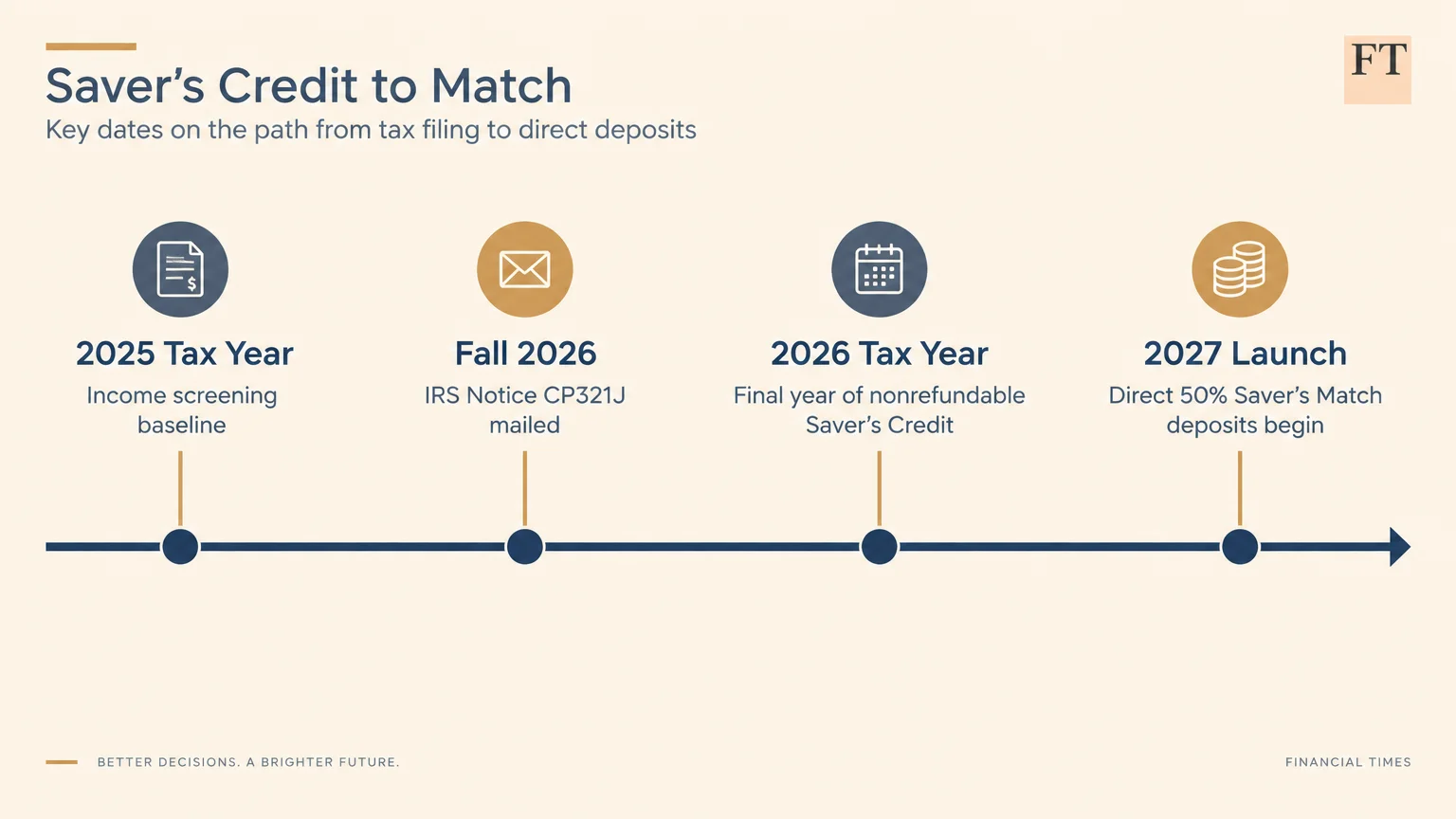
The Implementation Timeline: Key Dates from 2026 to 2028
Building wealth through public programs requires precise awareness of operational timelines. The transition from notice distribution to actual cash deposits unfolds across several distinct stages.
During late 2026, the IRS launched its public education campaign by delivering Notice CP321J. Around the same time, the Treasury issued Notice 2026-48 and news release IR-2026-89 outlining preliminary operational regulations.
Federal involvement expanded on April 30, 2026, when President Trump issued Executive Order 14403. That directive ordered federal agencies to promote savings access by establishing a public web portal called TrumpIRA.gov.
The Treasury is scheduled to launch TrumpIRA.gov on January 1, 2027. The site aims to help Americans without workplace pensions set up low-fee, index-based retirement accounts.
The Saver’s Match officially takes effect for tax years beginning after December 31, 2026. That means retirement deposits you make throughout the 2027 calendar year serve as your official qualifying baseline.
You will claim the matching funds when filing your 2027 federal tax return in early 2028. Filers will use the newly developed IRS Form 8880-A to calculate and request their deposit.
Once the IRS processes your verified return in 2028, the Treasury deposits the matching money directly into your designated account. You will not wait for annual tax credits; the cash enters your investment fund.
Legislators are already seeking to expand this foundation. In October 2026, Senator Ron Wyden introduced the Savers Match Enhancement Act (S. 5507), proposing a 100 percent match up to $2,000.
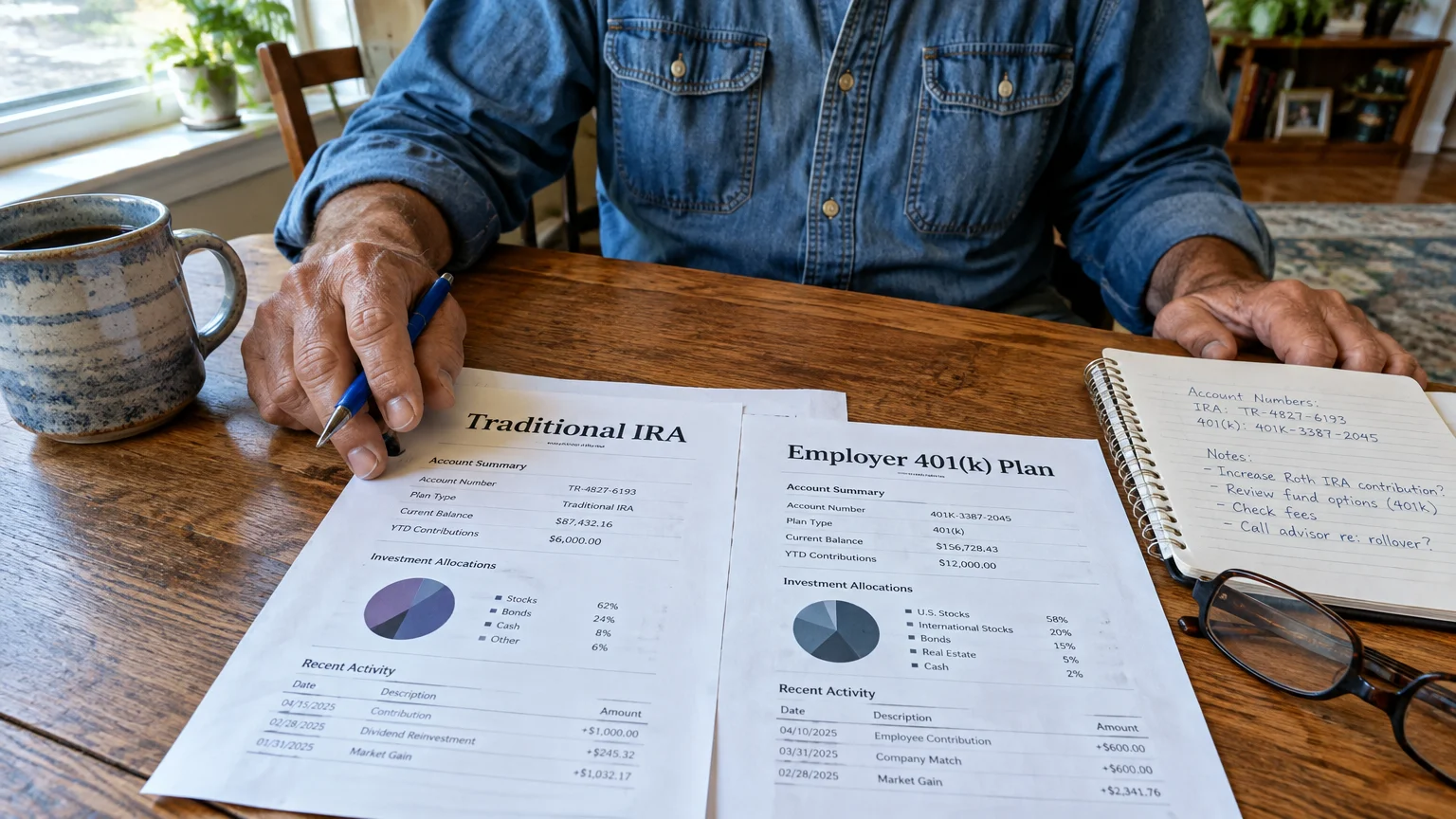
Choosing the Right Account for Your Matching Funds
The federal government will not mail you a physical check or transfer matching cash into your everyday checking account. The law requires matching funds to land directly inside a qualified retirement account.
Eligible vehicles include traditional Individual Retirement Arrangements (IRAs), workplace 401(k) plans, 403(b) plans for educators and non-profit staff, and governmental 457(b) plans. Independent workers can also utilize SEP-IRAs or SIMPLE IRA platforms.
The match must flow into pre-tax accounts rather than post-tax Roth accounts. While you may contribute your own money to a Roth account, the federal match goes into a pre-tax bucket.
If your primary workplace lacks an employer-sponsored plan, opening a private IRA becomes essential. Organizations like AARP provide consumer guidance on finding dependable, low-fee IRA custodians.
Federal officials designed the upcoming TrumpIRA.gov platform specifically for workers lacking commercial plan access. The portal connects gig workers, part-time employees, and independent contractors with vetted, index-tracking investment options.
Before making qualifying deposits, confirm that your financial institution accepts third-party electronic contributions from the federal government. Most major brokerage houses and plan administrators are upgrading software systems to accommodate incoming Treasury transfers.









Leave a Reply