
Arizona has long been the gold standard for desert retirement, but surging housing costs and rising property taxes are forcing many older adults to look elsewhere. You no longer have to pay a premium for year-round sunshine, spectacular mountain views, and world-class golf courses. Retirees are actively shifting their focus to neighboring states like New Mexico, Nevada, Utah, and Texas, where your retirement savings stretch much further. These alternative Southwest destinations offer the same stunning red rock landscapes and mild winters without the financial strain of Scottsdale or Sedona. By exploring these nine emerging retirement havens, you can protect your nest egg while maintaining the vibrant, active lifestyle you have spent decades working toward.

Why Retirees Are Looking Beyond Arizona
For decades, cities like Mesa, Scottsdale, and Tucson absorbed thousands of relocating retirees each year. The appeal was obvious; you could sell a modest home in the Midwest or Northeast, buy a larger property in the desert, and still have cash left over to fund your golden years. Today, that financial equation has shifted dramatically.
A major influx of new residents—combined with general inflation and housing market pressures—has driven up the cost of living across Arizona. Property taxes, once a major draw for the state, have climbed alongside home valuations. Furthermore, concerns regarding long-term water rights in certain Arizona counties have prompted forward-thinking retirees to weigh their options carefully. Instead of stretching their budgets to afford an Arizona zip code, savvy older adults are finding extraordinary value just across state lines.
Neighboring states offer diverse landscapes ranging from the high desert to pine-covered mountains, often accompanied by distinct tax advantages. Nevada and Texas, for instance, levy no state income tax, which can significantly improve your month-to-month cash flow. By expanding your search radius, you gain access to communities that boast excellent healthcare, ample recreational opportunities, and a lower cost of entry.
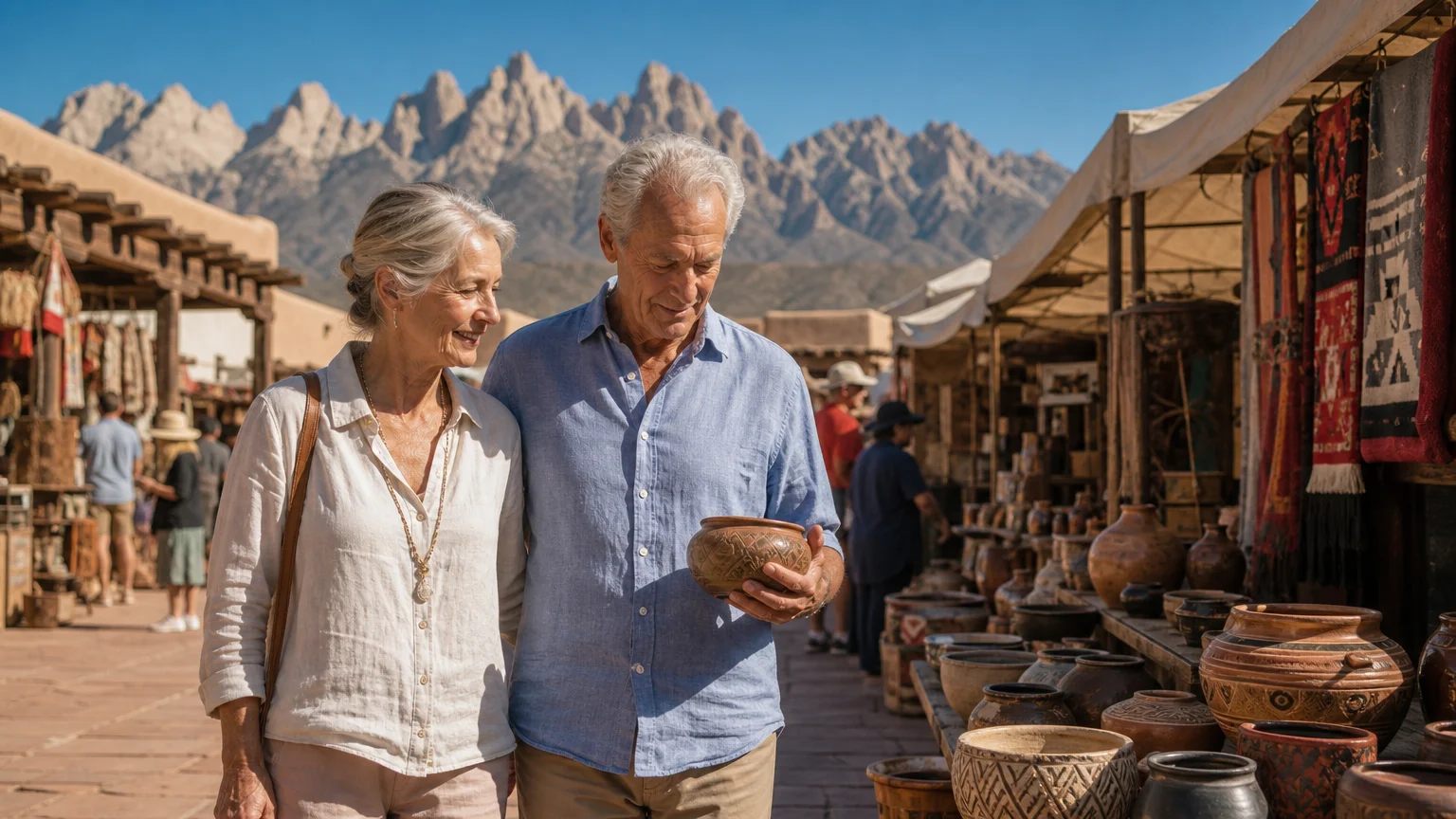
New Mexico: The Land of Enchantment and Affordability
New Mexico offers an appealing blend of rich cultural history, diverse elevations, and a highly competitive cost of living. The state provides a quieter, more authentic Southwest experience compared to heavily developed resort areas.
1. Las Cruces, New Mexico
Sitting in the fertile Mesilla Valley and backed by the dramatic Organ Mountains, Las Cruces has quietly become one of the premier retirement destinations in the country. With roughly 110,000 residents, it operates as a mid-sized city that still maintains a relaxed, small-town atmosphere.
Because Las Cruces is home to New Mexico State University, retirees benefit from a robust collegiate environment. You can access continuing education classes, collegiate sporting events, and cultural performances year-round. The healthcare infrastructure is anchored by Memorial Medical Center and MountainView Regional Medical Center, providing reliable care without the need to travel to a major metropolis. Financially, housing costs in Las Cruces remain remarkably sensible, allowing you to secure a comfortable single-story home for a fraction of what you would pay in the Phoenix metropolitan area.
2. Silver City, New Mexico
If you prefer cooler summers and have a soft spot for the arts, Silver City belongs on your shortlist. Located at an elevation of roughly 6,000 feet, this historic mining town escapes the punishing triple-digit heat that plagues lower-elevation deserts. The climate here features four distinct, though mild, seasons.
Silver City thrives as an enclave for artists, writers, and outdoor enthusiasts. The nearby Gila National Forest offers endless opportunities for hiking, bird watching, and fishing. While the town is small—hovering around 10,000 residents—it boasts a highly engaged community. The cost of housing is exceptionally low, making it an ideal landing spot if you wish to downsize and minimize your housing expenses entirely. Keep in mind that specialized medical care may require a drive to Las Cruces or El Paso, so factor your current health needs into your decision.
3. Alamogordo, New Mexico
Nestled in the Tularosa Basin and bordered by the Sacramento Mountains, Alamogordo offers an understated, peaceful retirement setting. It is perhaps best known for its proximity to the stunning White Sands National Park and Holloman Air Force Base.
The military presence makes Alamogordo particularly attractive for veteran retirees who want access to base amenities and Tricare-friendly medical providers. The cost of living here is one of the lowest in the Southwest. You can find spacious properties on generous lots without stretching your retirement budget. The community is deeply patriotic, highly secure, and perfect for those who want a quiet home base with easy access to outdoor recreation.
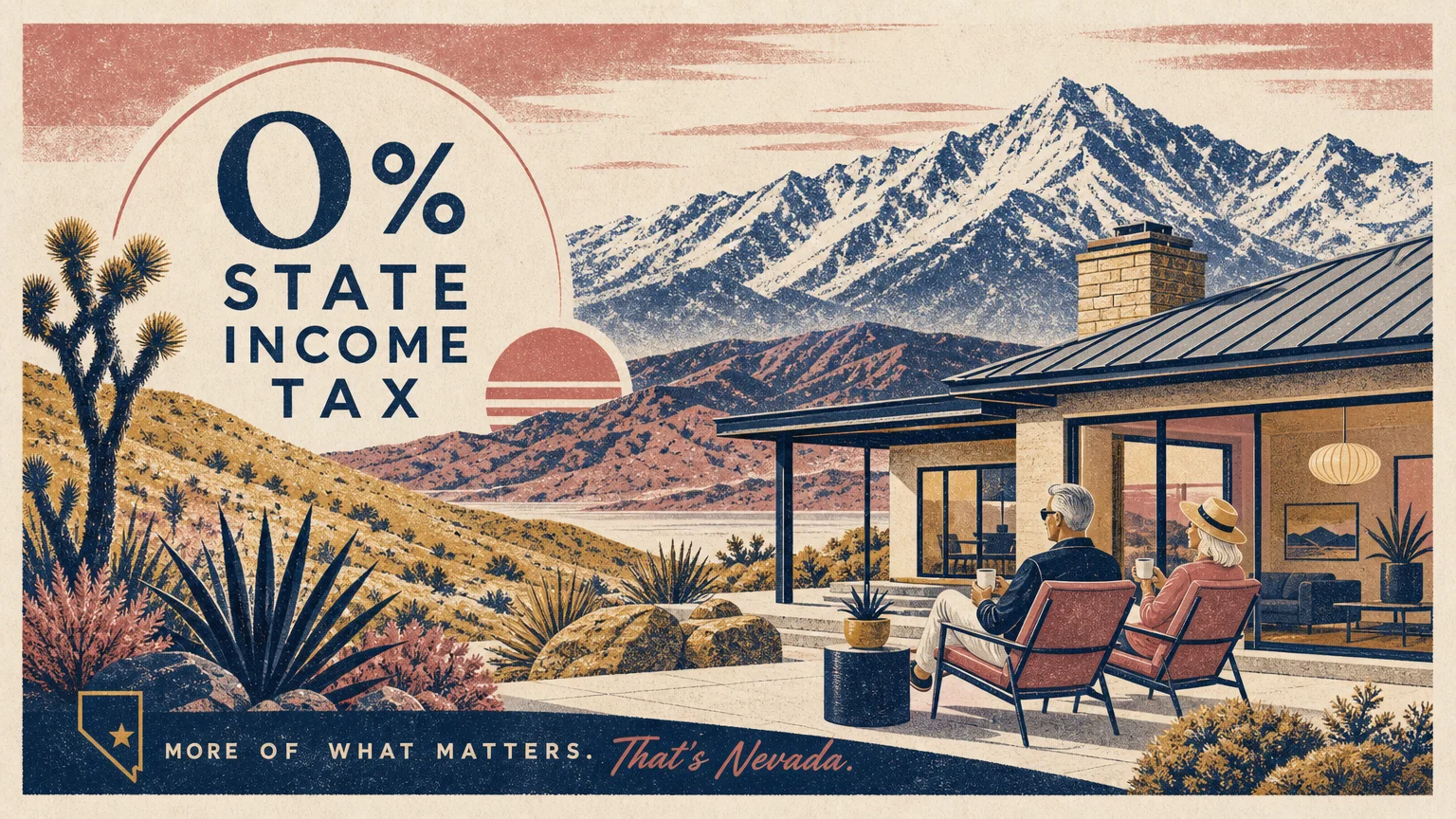
Nevada: Tax-Free Living Beyond the Strip
When most people think of Nevada, the flashing lights of Las Vegas immediately come to mind. However, the state offers several tranquil, master-planned communities that cater directly to active adults. Because Nevada has no state income tax—you can check comprehensive state tax rankings via resources like Kiplinger—your Social Security benefits, pension payouts, and retirement account withdrawals remain entirely your own.
4. Mesquite, Nevada
Located on the eastern edge of Nevada along the Arizona and Utah borders, Mesquite is a golfer’s paradise. It sits about 80 miles northeast of Las Vegas, providing easy access to an international airport and world-class entertainment when you want it, while keeping you far removed from the daily traffic and noise.
Mesquite was specifically developed with active adults in mind. Master-planned communities dot the landscape, offering resort-style pools, pickleball courts, and miles of walking trails. The town enjoys over 300 days of sunshine a year. While summer temperatures do climb, the low humidity makes the heat manageable, and the winters are blissfully mild. Housing prices have risen over the last five years, but Mesquite still offers a significant discount compared to similar golf-course communities in Arizona.
5. Carson City, Nevada
If you love the desert but cannot imagine giving up snowy winters and alpine lakes, Carson City offers a phenomenal compromise. As the state capital, it provides excellent infrastructure, well-maintained roads, and access to top-tier regional medical centers, all while maintaining a population of just under 60,000.
Carson City sits just 30 minutes from the pristine shores of Lake Tahoe. You get the financial benefits of Nevada’s tax code combined with the scenic beauty of the Sierra Nevada mountains. The city features a walkable downtown, historical museums, and a growing culinary scene. Because it sits at a higher elevation, you will experience true seasons here—including winter snowfall—which appeals to retirees relocating from the Northeast who still want to experience seasonal shifts in a more manageable environment.
Texas: Big Skies and Broad Horizons
Like Nevada, Texas boasts no state income tax. While the eastern half of the state is known for humidity, the western regions offer the dry, expansive climates typical of the classic Southwest.
6. El Paso, Texas
Often overlooked in favor of Austin or San Antonio, El Paso is a hidden gem for retirees. Situated at the westernmost tip of Texas where New Mexico and Mexico converge, El Paso offers a vibrant, multicultural lifestyle framed by the rugged Franklin Mountains.
One of El Paso’s greatest assets is its healthcare infrastructure. The city features massive, state-of-the-art medical networks and specialized clinics, which is a crucial consideration as you age. El Paso consistently ranks as one of the safest cities of its size in the United States. The food scene is legendary, the people are exceptionally welcoming, and the housing market allows you to acquire a beautiful, modern home for substantially less than the national average.
7. San Angelo, Texas
Located in the Concho Valley, San Angelo perfectly bridges the gap between the Hill Country and the West Texas plains. It is an incredibly charming city that revolves around the beautiful Concho River, which features miles of paved walking trails, parks, and public art installations.
San Angelo is ideal if you are looking for a community where neighbors know one another. The city is large enough to support good hospitals and a regional airport, yet small enough to avoid gridlock traffic. The cost of living is deeply discounted compared to national averages. If your goal is to stretch a modest retirement nest egg while living in a safe, scenic, and friendly environment, San Angelo is tough to beat.
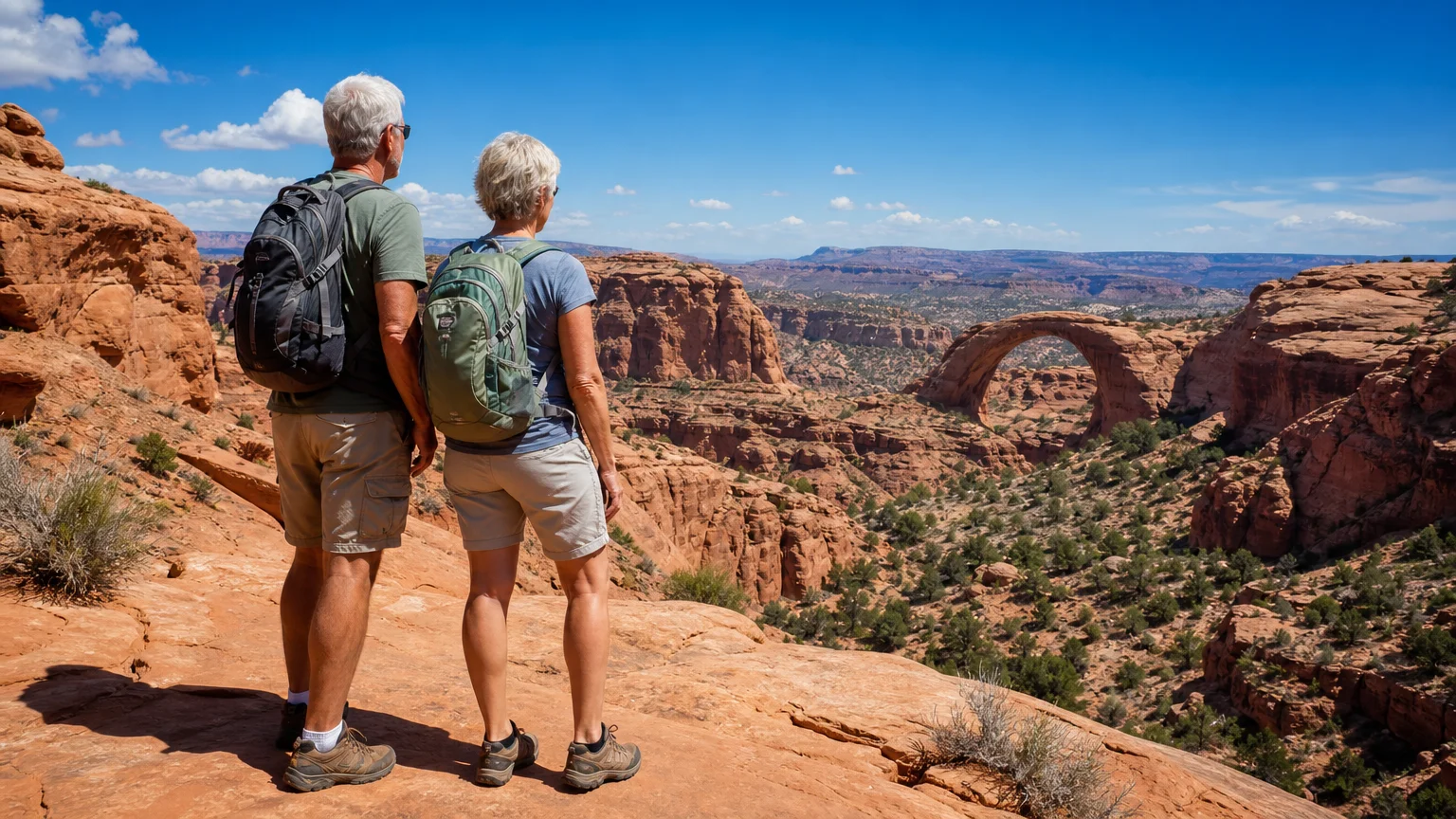
Utah: Unmatched Red Rock Recreation
Southern Utah shares its border and much of its geography with Northern Arizona. Retirees who fall in love with the dramatic canyons and red rock monoliths of the Southwest are increasingly choosing Utah for its clean communities and active lifestyle.
8. St. George, Utah
St. George has exploded in popularity over the last decade, and for good reason. Located just a short drive from Zion National Park, the city is a paradise for hikers, cyclists, and nature photographers. The aesthetic appeal of St. George rivals that of Sedona, Arizona, but with a more robust infrastructure built specifically to support its growing senior population.
The city is anchored by Intermountain Health’s St. George Regional Hospital, providing excellent medical care. The climate is warmer than the rest of Utah, allowing for year-round golf and outdoor recreation. While St. George is the most expensive town on this list—prices have climbed due to high demand—it still represents a better overall value than the premium markets of Arizona, especially when factoring in the high quality of life and low crime rates.
9. Cedar City, Utah
Just 45 minutes north of St. George sits Cedar City. If St. George has grown too crowded or expensive for your taste, Cedar City is the perfect alternative. Because it sits at nearly 6,000 feet in elevation, the temperatures are roughly 10 to 15 degrees cooler than St. George year-round.
Known as “Festival City USA,” Cedar City hosts the renowned Utah Shakespeare Festival and sits adjacent to Southern Utah University. This collegiate presence brings exceptional arts, theater, and music to a town of roughly 35,000 people. It serves as the gateway to Cedar Breaks National Monument and Brian Head Resort, offering both summer hiking and winter skiing. It is a fantastic option for active retirees who prioritize outdoor adventure and cultural engagement.
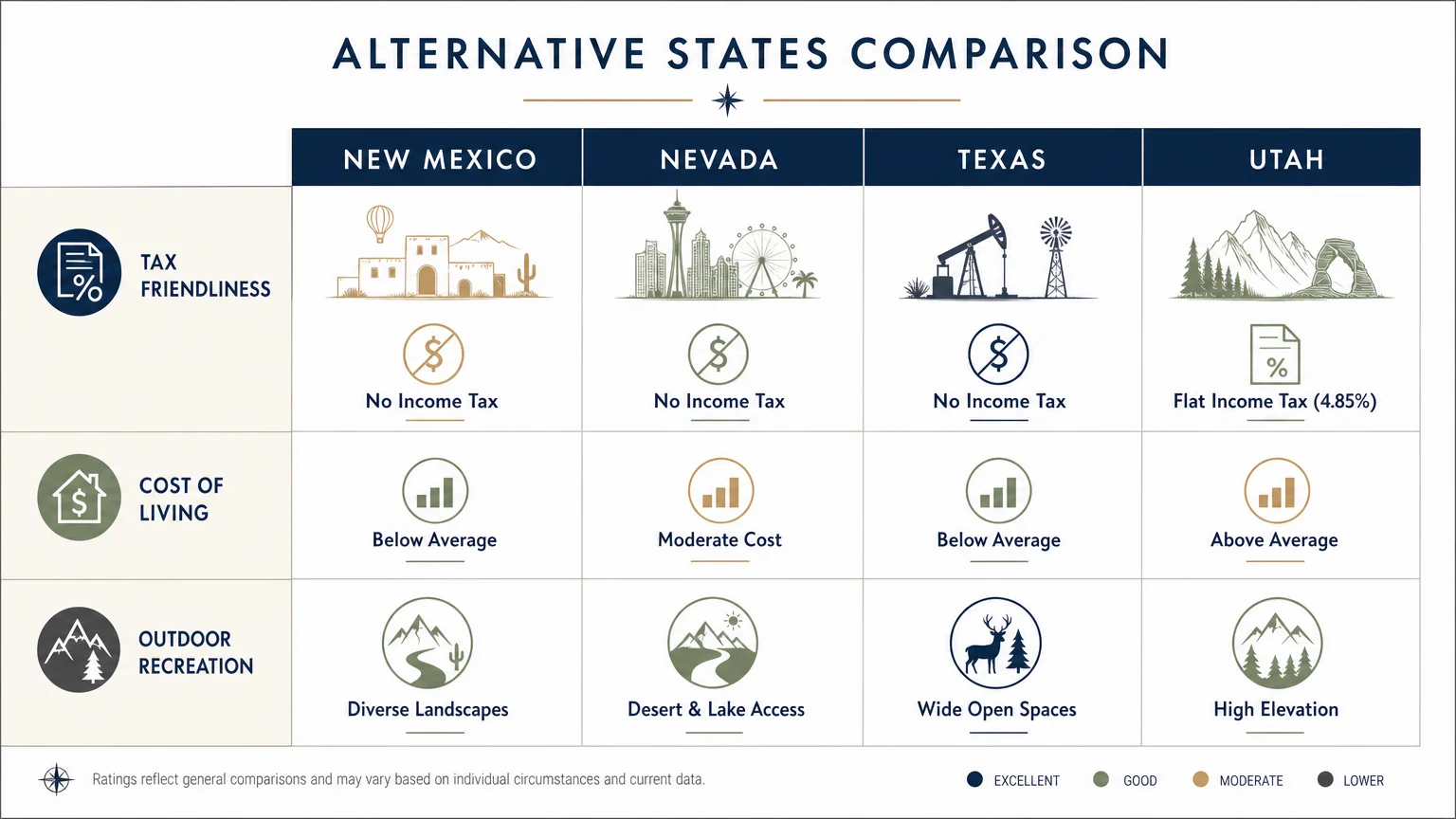
Comparing the Alternatives: A Quick Look
When weighing your options, comparing median home costs and tax environments is essential. Below is a brief overview of how a few of these top destinations stack up against one another.
| Retirement Town | State Income Tax | Climate Vibe | Best Lifestyle Feature |
|---|---|---|---|
| Las Cruces, NM | Yes (Sliding scale) | Mild desert, cool nights | University town amenities and culture |
| Mesquite, NV | None | Hot summers, warm winters | Master-planned golf communities |
| El Paso, TX | None | High desert, abundant sun | Top-tier healthcare and low cost of living |
| Cedar City, UT | Yes (Flat rate) | Four seasons, snowy winters | World-class arts and outdoor recreation |

Common Mistakes to Avoid When Relocating
Relocating to a new state during retirement is a major life transition. Failing to account for the hidden variables of a new geographic location can turn a dream move into a stressful ordeal.
“Beware of little expenses; a small leak will sink a great ship.” — Benjamin Franklin
Franklin’s timeless advice is particularly relevant when analyzing the cost of living in a new state. Retirees often fixate on a single metric—like housing prices—while ignoring the broader financial picture. Avoid these common missteps:
- Ignoring Property Taxes in Income-Tax-Free States: States like Texas do not charge an income tax, but they fund their local governments through higher property taxes. Make sure you calculate the exact property tax rate for the specific county you are moving to; a cheap house with an exorbitant tax bill will quickly drain your fixed income.
- Failing to Verify Medicare Networks: Medicare Advantage plans and Part D prescription plans are regional. Moving across state lines means you will likely need to enroll in a new plan. Before buying a home, use Medicare.gov to ensure the local hospital and your preferred doctors are in-network for the plans available in that zip code.
- Buying Sight Unseen During the Wrong Season: A desert town may feel like paradise when you visit in February. That same town might feel uninhabitable to you in late July. Always rent a short-term property during the region’s harshest weather season before committing to a permanent purchase.
- Overlooking Water Security: In the Southwest, water is a critical resource. Before buying a property, investigate the municipal water source. Avoid unincorporated areas that rely on hauled water or shallow, unregulated private wells.
Frequently Asked Questions
Do I have to pay taxes on my Social Security benefits in these states?
Nevada and Texas do not have a state income tax, meaning your Social Security is completely free from state-level taxation. Utah taxes Social Security, but offers a retirement tax credit that offsets the burden for many middle-income retirees. New Mexico recently changed its laws to exempt Social Security benefits from state taxes for the vast majority of retirees (single filers earning under $100,000 and joint filers under $150,000).
How does moving to a new state affect my estate plan?
Probate laws, marital property rules, and estate taxes vary dramatically by state. Texas and Nevada are community property states, while Utah is a common law state. If you relocate, you should immediately have your will, trusts, and advance healthcare directives reviewed by an attorney licensed in your new state to ensure your documents remain valid and execute your wishes properly.
Are these alternative towns genuinely safe for older adults?
Generally, yes. Many of the towns on this list, such as St. George and El Paso, boast crime rates well below the national average. However, safety is hyper-local. Before making a move, use tools like the AARP Livability Index to evaluate specific neighborhoods for safety, walkability, and access to essential services.
Preparing for Your Southwest Transition
Finding the perfect retirement destination requires balancing your physical needs, your financial realities, and your personal interests. Arizona will always be a beautiful place to retire, but it is no longer the only viable option for those seeking a sun-drenched, active lifestyle. By expanding your horizons to the hidden gems of New Mexico, Nevada, Texas, and Utah, you can secure a higher quality of life while keeping your retirement budget firmly intact.
Take your time with this decision. Plan extended road trips to visit these communities, speak with the locals, and walk the neighborhoods. This article provides general retirement education and information only. Every retiree’s situation is unique—what works for others may not work for you. For personalized advice, consider consulting a qualified financial professional such as a CFP or CPA.
Last updated: March 2026. Retirement benefits, tax rules, and healthcare regulations change frequently—verify current details with official sources.






Leave a Reply