
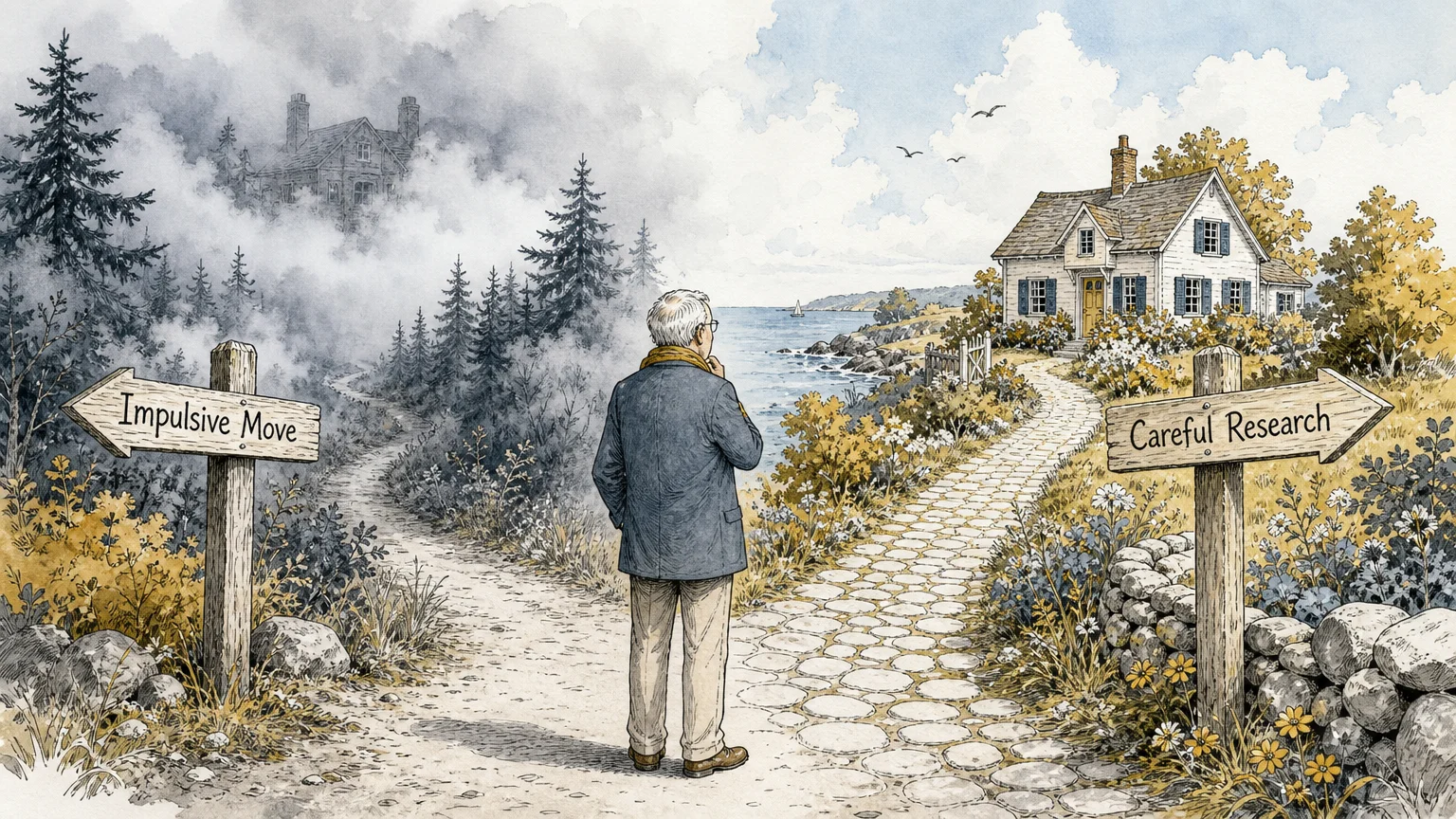
Common Relocation Mistakes to Avoid
Moving across state lines requires complex logistics, and doing it without a partner means you bear the full weight of the planning process. Avoiding common traps ensures your new chapter begins smoothly and securely.
- Buying a Home Immediately: One of the costliest errors you can make involves purchasing a home before truly understanding a new area. Renting for six to twelve months allows you to experience the local traffic patterns, neighborhood dynamics, and seasonal weather changes. You might discover that the community you loved on a summer vacation feels isolating during the winter.
- Ignoring the Transportation Infrastructure: You may drive perfectly well today, but aging in place requires planning for a time when you might surrender the keys. Moving to a rural cabin might sound peaceful, but a lack of rideshare services, public transit, or senior shuttles can leave you stranded. Always map the distance from your potential new home to the grocery store, pharmacy, and local hospital.
- Overlooking Medicare Network Boundaries: Healthcare coverage does not seamlessly cross state lines. If you use a Medicare Advantage plan, moving out of your current plan’s service area requires you to enroll in a new one. Before committing to a zip code, research local hospital ratings and ensure the physicians in that area accept your coverage. You can verify local facility ratings directly through Medicare.gov.
- Underestimating the Cost of Visits: Moving far away to save on taxes only works if you don’t spend all your savings flying back to see family. Factor the cost of annual travel, including flights and pet boarding, into your new budget.
For more detailed information on how different states tax your specific types of retirement income, reviewing resources like the Kiplinger state-by-state tax guide can provide the exact percentages and exemptions relevant to your portfolio. Additionally, researching a town’s livability score via AARP can highlight hidden benefits or drawbacks regarding pedestrian safety, housing affordability, and clean air metrics.









Leave a Reply