09 Robocall and Voice Phishing (Vishing) Scams
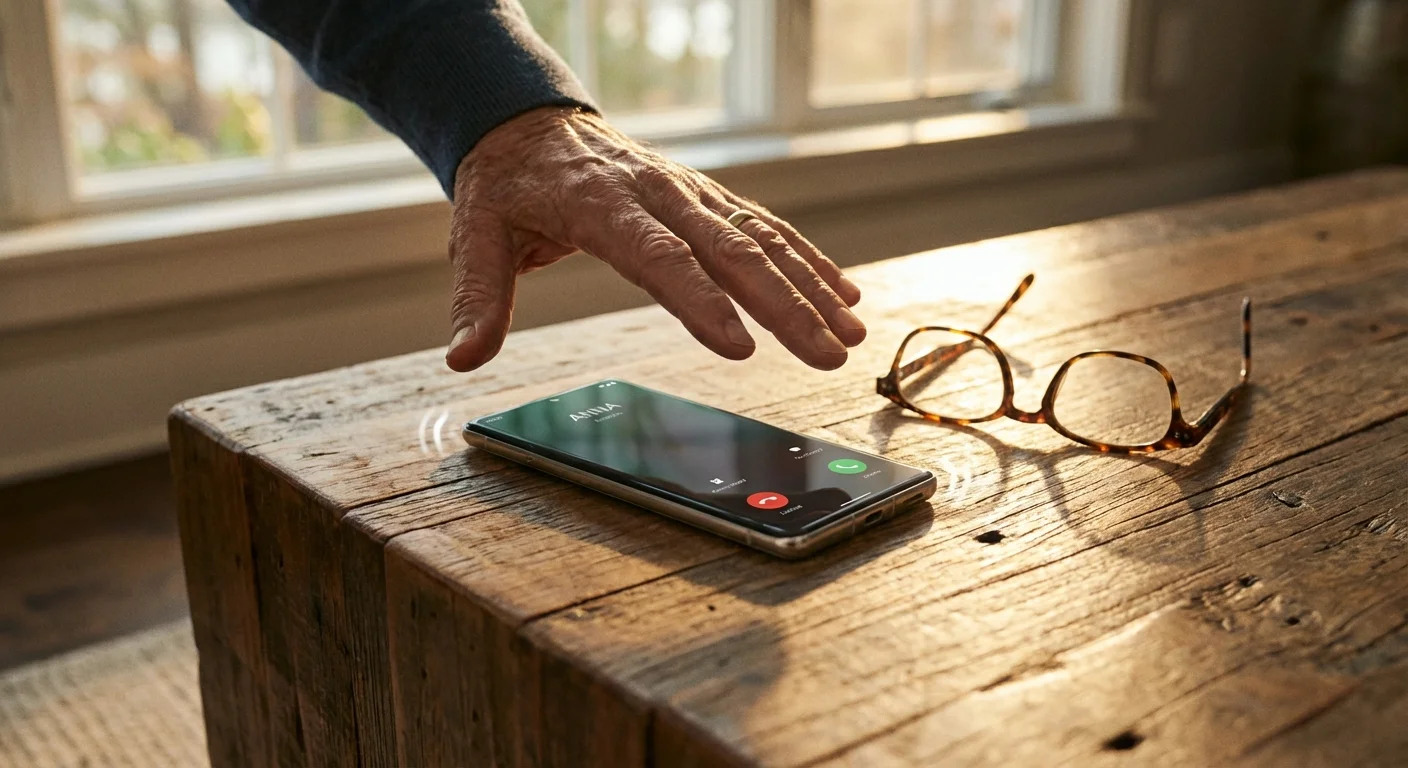
The “Bank Fraud Alert” text message is currently one of the most prevalent gateways to account takeover. You receive an automated text asking to verify a suspicious transaction—for example, “Did you authorize $850 at Best Buy? Reply Y or N.” When you reply “N,” your phone rings almost immediately.
The caller ID matches your bank, and the representative sounds incredibly professional. They tell you they need to verify your identity to stop the fraudulent charge. To do this, they say they are sending a secure code to your phone, which you must read back to them. In reality, the scammer is trying to log into your account, and the code they triggered is the bank’s two-factor authentication password reset code. When you read it to them, you hand over the keys to your finances.
Banks will never call you and ask you to read a security code back to them. If you receive a fraud alert, do not reply to the text and do not engage with the caller. Hang up and dial the customer service number printed on the back of your debit or credit card to verify the status of your account directly.