
Retiring gives you the ultimate advantage in finding cheap flights Europe: a completely flexible schedule. You no longer have to fly during peak summer months when families crowd airports and airlines charge premium rates. By leveraging this flexibility, you can unlock incredible travel savings on European vacations that younger travelers rarely access. Securing the best airfare deals relies on understanding seasonal pricing algorithms and recognizing exactly when demand drops. The cheapest time to cross the Atlantic varies by region, but flying during off-peak seasons drastically reduces your costs. We will break down the most affordable months to visit popular destinations so you can maximize your retirement budget without sacrificing comfort.
The Essentials of European Flight Seasonality
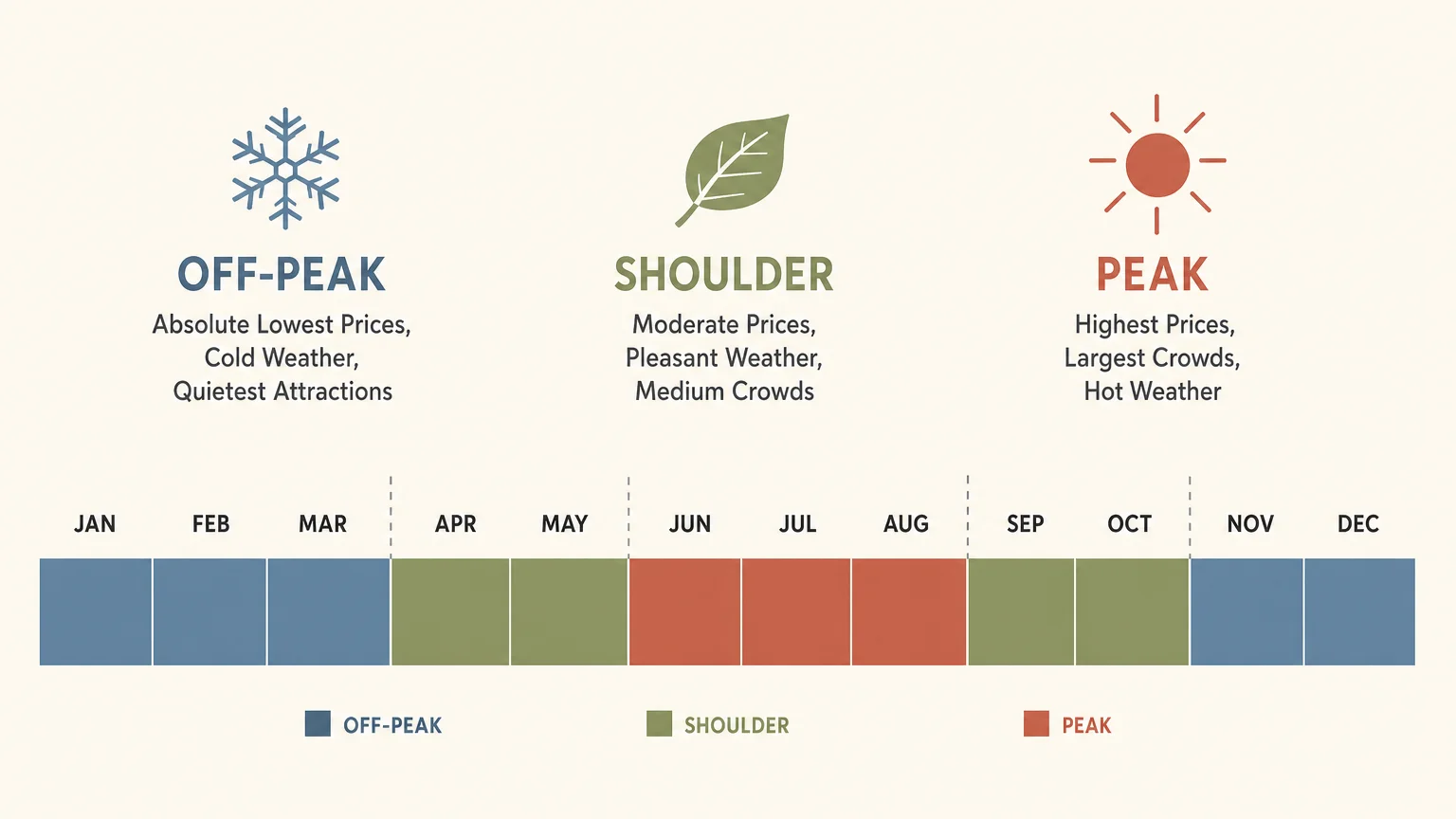
Airlines operate on strict supply-and-demand algorithms. When demand peaks, prices skyrocket; when seats sit empty, prices plummet. To find consistent airfare deals, you must view the calendar through the eyes of an airline revenue manager. The travel year is divided into three distinct seasons, each offering a different balance of cost, weather, and crowds.
Peak season generally runs from mid-June through late August. During these months, North Americans flock to Europe for summer vacations, driving transatlantic airfare to its highest annual point. If you want to protect your retirement savings, avoid flying across the ocean during this window. Not only do flights cost significantly more, but you will also face higher hotel rates, long lines at attractions, and sweltering summer heat across much of the continent.
Shoulder season encompasses April, May, September, and October. This represents the sweet spot for many travelers, offering a compromise between pleasant weather and moderate pricing. However, as more people discover the benefits of shoulder season, airlines have slowly adjusted their prices upward. While flights in May and September cost less than in July, they no longer represent the absolute rock-bottom fares they once did.
Off-peak season dominates the remainder of the calendar, stretching from November through March—excluding the brief spike around the December holidays. This is when budget travel truly shines. Airlines slash prices to fill empty planes, making it the absolute cheapest time to fly. If you can handle cooler temperatures and shorter daylight hours, off-peak travel allows you to stretch your retirement income incredibly far while enjoying Europe entirely at your own pace.

The Cheapest Months for Western Europe
Western Europe remains the most popular draw for American retirees, boasting cultural capitals like London, Paris, Amsterdam, and Berlin. Because these cities serve as major financial and cultural hubs, they maintain a steady stream of business travel year-round. However, leisure travel drops significantly in the winter, creating massive opportunities for travel savings.
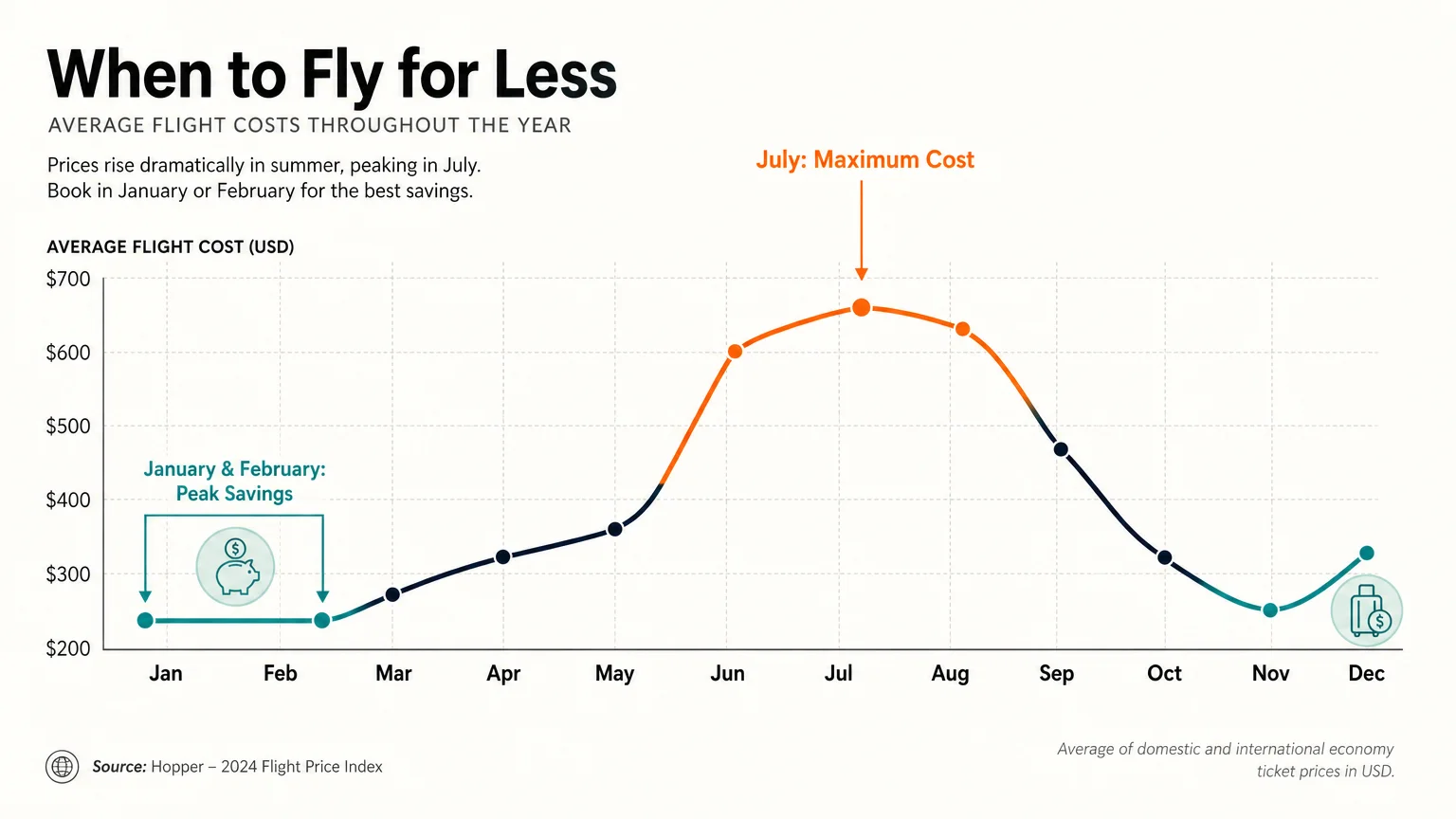
The absolute cheapest months to fly to Western Europe are January and February. After the glow of the Christmas markets fades and holiday travelers return home, airlines face a massive dip in demand. You can frequently find round-trip flights to London Heathrow or Paris Charles de Gaulle for roughly half the price of a July ticket. Late October and November also offer excellent value before the holiday rush begins.
Traveling during these months requires a shift in expectations. You will not be picnicking in Hyde Park under a blazing sun; instead, you will be exploring the British Museum without fighting through a wall of tourists, or enjoying a quiet coffee in a Parisian café while watching the rain. Because retirees have the time to take longer, slower trips, you can easily wait out a rainy afternoon in a world-class museum without feeling rushed. Careful financial planning makes these off-peak trips highly sustainable; you can read more about managing your retirement budget through resources like Kiplinger, which offers excellent strategies for stretching fixed incomes.

Uncovering Value in Southern Europe
Southern Europe—encompassing Italy, Spain, Portugal, and Greece—presents a slightly different pricing dynamic. Because these destinations rely heavily on warm weather tourism, the contrast between peak and off-peak pricing is even more dramatic than in the north.
If you want to visit Rome, Madrid, or Lisbon, target November through February. March is also remarkably affordable and offers the first hints of spring weather. Airfare to Southern Europe during these months frequently drops to budget-friendly levels, allowing you to allocate those savings toward better accommodations or exquisite local dining.
Greece and the Mediterranean islands require special consideration. While January and February offer the cheapest flights to Athens, many island ferries reduce their schedules, and coastal hotels close entirely for the winter. If your goal is to explore the Greek islands or the Amalfi Coast, you should aim for the very edges of the shoulder season—late October or early April. You will secure excellent airfare deals while ensuring that local infrastructure remains open enough to support an enjoyable visit.

Stretching Your Dollar in Northern and Eastern Europe
Northern Europe, including Scandinavia, Iceland, and the Baltic states, experiences harsh winters that drive away casual tourists. Consequently, flights to cities like Oslo, Stockholm, and Reykjavik hit their absolute lowest prices from November through March. If you dream of seeing the Northern Lights, you must travel during these freezing, dark months anyway—making it a perfect alignment of low prices and specific travel goals. Just remember that the money you save on flights may quickly be spent on cold-weather gear and traditionally high Scandinavian dining costs.
Eastern Europe offers the best overall value for retirees practicing budget travel. Cities like Prague, Budapest, and Krakow boast a lower cost of living than their Western counterparts. Flights to these destinations are cheapest in January, February, and early March. While you will need a warm coat to stroll across the Charles Bridge or visit the Buda Castle, the dramatic reduction in flight costs makes Eastern Europe an incredibly appealing winter destination for the financially savvy traveler.
Comparing Flight Seasons and Savings
Understanding regional variations helps you pinpoint exactly when to book. The table below outlines typical pricing trends based on historical airline data, giving you a clear picture of when to plan your European vacations.
| European Region | Most Expensive Months | Cheapest Months | Estimated Savings vs. Peak |
|---|---|---|---|
| Western Europe (UK, France, Germany) | Mid-June to August | January, February, November | 40% – 55% |
| Southern Europe (Italy, Spain, Portugal) | July to August | November, February, March | 35% – 50% |
| Northern Europe (Scandinavia, Iceland) | June to August | October, November, February | 40% – 60% |
| Eastern Europe (Czech Republic, Hungary) | July to August | January, February, March | 45% – 50% |

Maximizing Travel Savings with Flexible Booking
Choosing the right month is only the first step. To capture the absolute best airfare deals, you must combine seasonal awareness with strategic booking tactics. Because you no longer have to request vacation days from an employer, you hold a massive advantage over the general public.
- Fly on Tuesdays and Wednesdays: Weekend flights carry a premium because working professionals try to maximize their paid time off. By departing and returning mid-week, you avoid the weekend surcharge entirely.
- Use Positioning Flights: You do not always have to fly directly to your final destination. If you want to visit Florence but flights are expensive, check the prices to major hubs like London, Dublin, or Paris. You can frequently book a cheap transatlantic flight to a major hub, then buy a separate, inexpensive ticket on a European budget carrier to reach Italy.
- Track Prices in Advance: Start monitoring flight prices roughly six to eight months before your intended departure. Use automated alerts to notify you when prices drop. For off-peak travel, the best deals usually surface two to four months prior to the departure date.
- Leverage Credit Card Rewards: Many retirees use daily spending to accumulate travel points. Funneling your grocery and utility bills through a rewards card can generate enough miles to cover a flight to Europe entirely. You can explore independent reviews of travel rewards programs at NerdWallet to find options that align with your spending habits.
- Embrace Longer Stays: The highest fixed cost of any European vacation is the flight. If you fly to Europe for seven days, the airfare represents a massive percentage of your daily cost. If you stay for three or four weeks—an option readily available in retirement—the cost of the flight amortizes over a longer period, drastically reducing your per-day travel expenses.
Alternative Gateways for Budget Travel
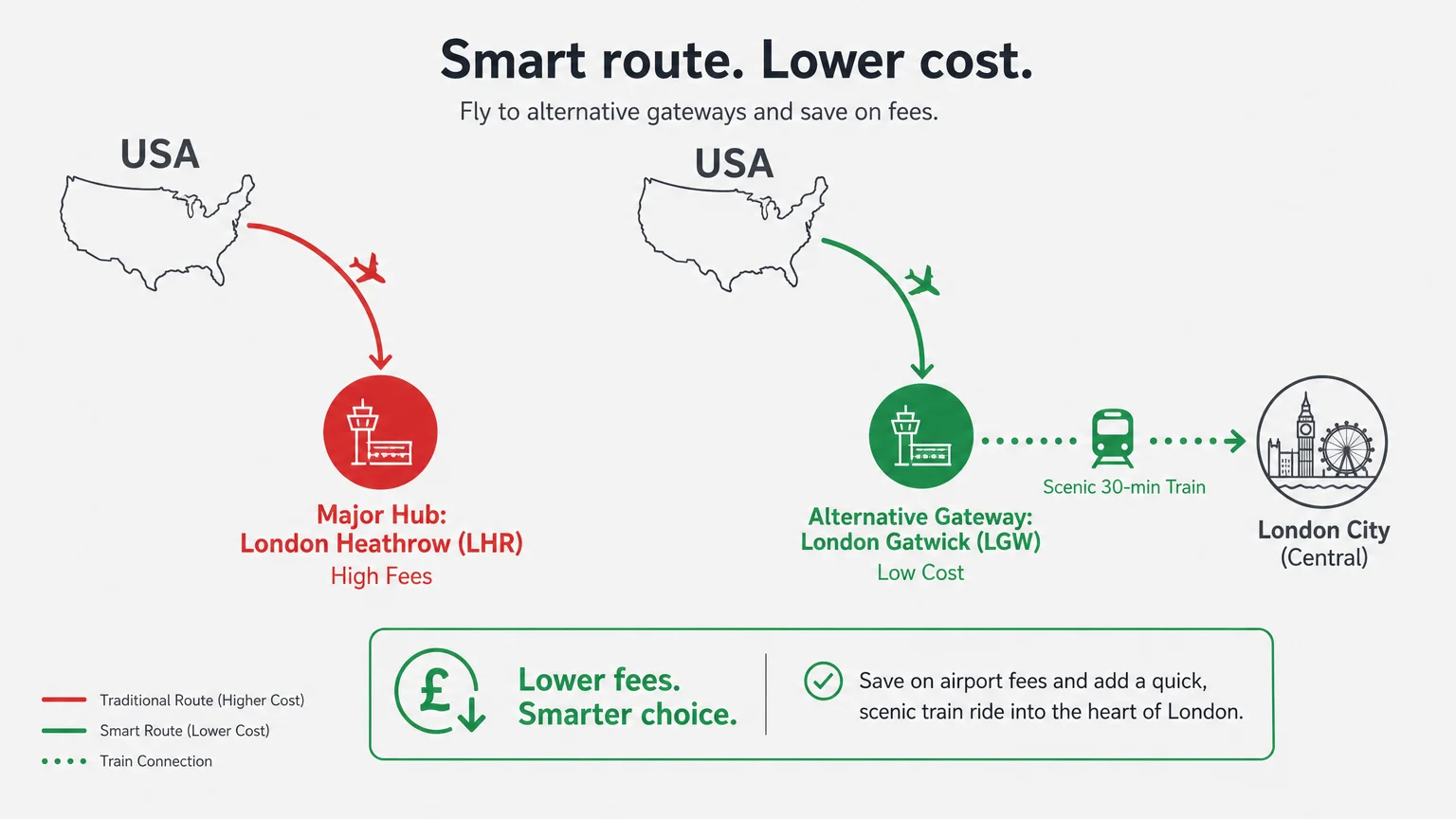
When searching for cheap flights Europe, do not restrict yourself to obvious airports like Paris or Rome. Airlines frequently use specific gateway cities to offer heavily discounted transatlantic routes. Understanding these hubs allows you to cross the ocean for pennies on the dollar, after which you can rely on Europe’s excellent train network to reach your actual destination.
Dublin, Ireland, serves as one of the most consistent budget gateways. Because it is geographically closer to the United States than the rest of Europe, flights demand less fuel, and landing fees are generally lower. You can often secure incredibly cheap flights to Dublin in November or February, spend a few days enjoying the local culture, and then take a short flight to the continent.
Lisbon and Madrid serve similar roles for Southern Europe. Portugal’s national carrier frequently runs aggressive sales during the winter months, offering free stopovers in Lisbon before continuing to other European cities. By routing your trip through these secondary hubs rather than insisting on a direct flight to your final destination, you keep more money in your pocket.

Avoiding Common Errors When Booking Airfare
The pursuit of cheap airfare occasionally leads travelers into costly traps. The airline industry has mastered the art of unbundling fares, meaning the aggressively low price you see advertised often excludes basic necessities. You must approach budget travel with a sharp eye for hidden costs.
“Beware of little expenses; a small leak will sink a great ship.” — Benjamin Franklin
This timeless advice perfectly describes the modern “Basic Economy” airline ticket. Airlines advertise astonishingly low fares for flights to Europe in February, but these tickets usually restrict you to a single under-seat personal item. They charge exorbitant fees if you need to check a bag, select a seat next to your spouse, or change your travel dates. For a retiree planning a three-week trip to Europe, traveling with only a small backpack is rarely practical. Always calculate the total cost of the flight including baggage fees before assuming you have found a great deal; sometimes, purchasing the standard economy ticket is ultimately cheaper.
Another frequent error is booking too early or too late. While it feels secure to book a flight ten months in advance, airlines rarely release their lowest promotional fares that early. Conversely, waiting until two weeks before departure almost guarantees you will pay a massive premium, as airlines assume last-minute buyers are price-insensitive business travelers. Stick to the sweet spot of booking two to four months ahead for off-peak travel.

Health, Safety, and Travel Insurance Considerations
Securing a cheap flight is satisfying, but you must protect your investment and your physical well-being. As we age, healthcare becomes a primary consideration in travel planning. A common misconception among retirees is that their domestic health coverage will protect them abroad.
Traditional Medicare generally does not cover healthcare services or supplies when you travel outside the United States. If you suffer a medical emergency in France or trip on a cobblestone street in Spain, you will likely be responsible for the entire medical bill out-of-pocket. Some Medigap policies offer foreign travel emergency coverage, but they have lifetime limits and require deductibles. You must verify your specific coverage details through official channels like Medicare.gov before boarding an international flight.
Because of this coverage gap, purchasing comprehensive travel medical insurance is non-negotiable. The money you save by flying to Europe in February should partially fund a robust insurance policy that covers medical evacuation, trip cancellation, and emergency care. Organizations like AARP provide extensive resources and member discounts on specialized travel insurance policies designed specifically for older adults. Never let the excitement of an airfare deal blind you to the necessity of protecting your health and financial security abroad.
Frequently Asked Questions
How far in advance should I book flights to Europe for the lowest price?
If you are traveling during the off-peak winter months, aim to book your flights two to four months in advance. If you decide to travel during the shoulder seasons of spring or fall, expand that window to three to six months. Monitoring prices early allows you to recognize a genuine sale when it occurs.
Do airlines offer senior discounts on flights to Europe?
Senior discounts on major airlines have largely disappeared. When they do exist, they typically apply only to full-fare, unrestricted tickets, which are far more expensive than standard discounted fares. You will save much more money by flying off-peak and utilizing general airline sales rather than hunting for an age-based discount.
Is it cheaper to book one-way or round-trip tickets to Europe?
For traditional legacy carriers flying across the Atlantic, booking a round-trip ticket is almost always cheaper than booking two separate one-way tickets. However, some newer low-cost international carriers price their routes on a strict one-way basis, allowing you to fly into one city and fly out of another without a financial penalty.
Are budget airlines worth the savings for long-haul flights?
Budget transatlantic carriers offer incredible base fares, but they charge for everything from water to carry-on bags to printing your boarding pass. If you require physical comfort, extra legroom, or need to check luggage, the final price of a budget airline ticket often matches or exceeds that of a traditional carrier. Evaluate your comfort needs carefully before booking.
Finding the cheapest months to fly to popular European destinations ultimately comes down to utilizing the greatest asset you possess in retirement: time. By avoiding the frantic summer rush, flying mid-week, and embracing the quiet beauty of Europe in the winter and early spring, you protect your savings while exploring the world. Start monitoring fares for January, February, and November, and prepare to experience the continent exactly as the locals do—without the crowds, and without the premium price tag.
The information in this guide is meant for educational purposes. Your specific circumstances—including income, health needs, tax situation, and goals—may require different approaches. When in doubt, consult a licensed professional.
Last updated: June 2026. Retirement benefits, tax rules, and healthcare regulations change frequently—verify current details with official sources.









Leave a Reply