
What Can Go Wrong: The Hidden Risks of Cheap Real Estate
While the prospect of a mortgage-free retirement is enticing, buying real estate at the lowest end of the market carries specific risks. Proceed with caution and keep your eyes open for these common pitfalls when shopping for cheap homes for retirees.
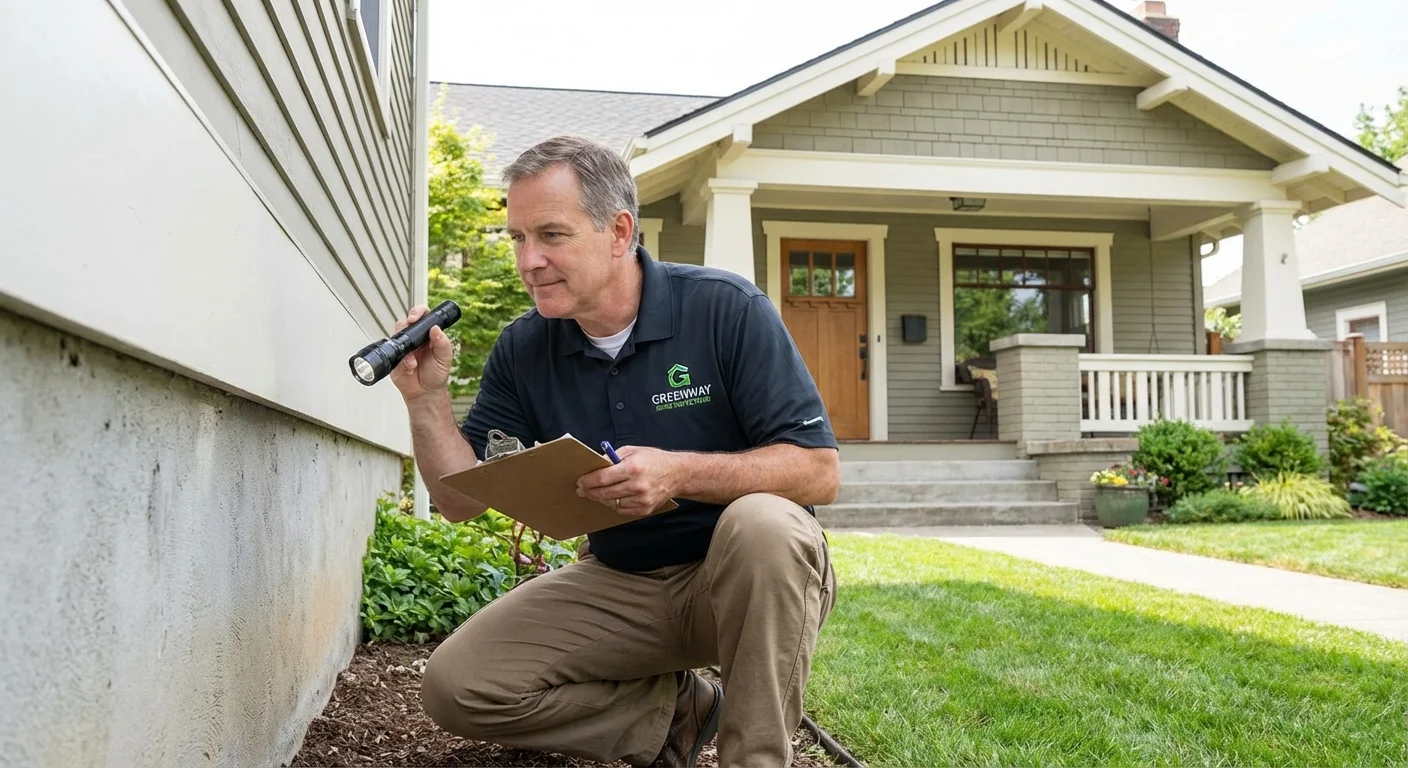
- The Fixer-Upper Trap: A $75,000 house is rarely updated. It will likely feature an older roof, aging HVAC systems, and outdated plumbing. Even in inexpensive cities, the cost of materials and contractor labor is high. A cheap home that requires $40,000 in immediate repairs is no longer a bargain. Always hire a stringent, independent home inspector before closing.
- The Healthcare Desert: A beautiful, inexpensive home in a rural town becomes a liability if you develop a chronic health condition. Before buying, you must map the distance to the nearest trauma center and specialized clinics. Use resources provided by Medicare.gov to research and compare the quality ratings of hospitals in your target area.
- The Property Tax Offset: As noted with cities in Illinois and New York, a low purchase price does not protect you from high property taxes. Local municipalities assess taxes based on their budget needs, not just home values. Always ask for the property’s historical tax bills, and research if the local government offers senior property tax freezes or homestead exemptions.
- Social Isolation: Moving across the country to secure a cheap home means leaving behind established social networks, doctors, and family members. Factor in the cost of airfare or long road trips to visit loved ones. A lower cost of living is quickly negated if you are spending thousands annually traveling back home.









Leave a Reply