
Health and Emergency Response
Medical alert systems have evolved far beyond the traditional “help, I’ve fallen” pendants. Today’s integrated health technologies blend seamlessly into your daily routine while providing robust emergency support.
7. Voice-Activated Assistants
Smart speakers serve as the central brain of your smart home, but their real value lies in communication. Devices like the Amazon Echo or Google Nest allow you to make hands-free phone calls. If you fall and cannot reach your mobile phone, you can simply shout, “Call my daughter,” or “Call for help,” and the device will dial out via your connected contacts. You can also use them to set daily reminders for medications, doctor appointments, or hydration.
8. Smart Medication Dispensers
Managing multiple prescriptions with different schedules is a logistical challenge. Smart pill dispensers lock your medication inside and only release the correct dose at the programmed time. They flash lights and emit an alarm when it is time to take your pills. If a dose is missed, the device can automatically send a text message alert to a designated family member or caregiver.
9. Wearable Fall Detection with Home Integration
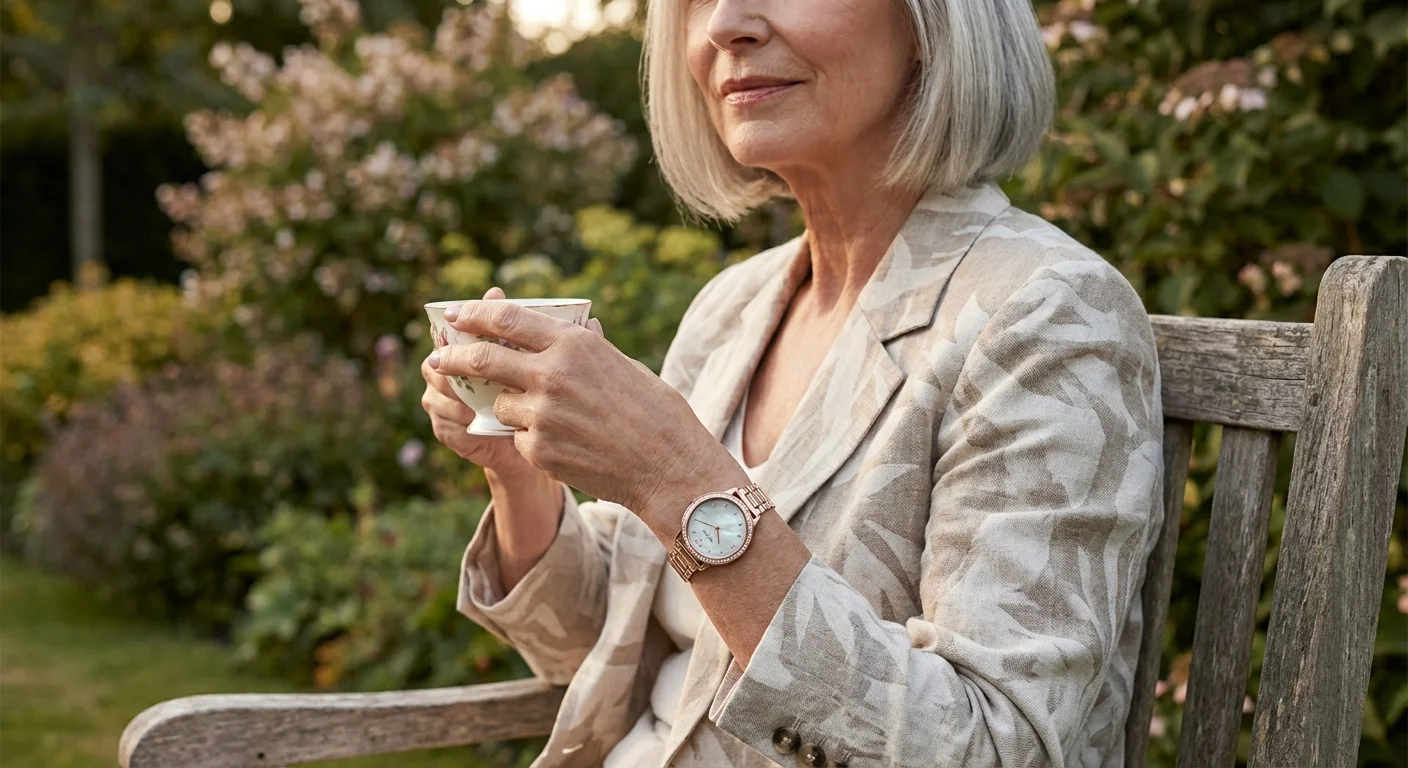
Modern smartwatches now feature highly accurate fall detection sensors. If the watch detects a hard impact followed by a lack of movement, it will tap your wrist, sound an alarm, and eventually call emergency services if you do not respond. Many of these wearables now integrate with smart home ecosystems, automatically turning on all the lights in the house if a fall is detected to assist emergency personnel when they arrive.









Leave a Reply