
A residential burglary occurs roughly every fifteen seconds in the United States. When you dig into the data behind that staggering statistic, a surprising truth emerges: a massive percentage of these intrusions involve absolutely no forced entry. Instead of picking complex locks or shattering reinforced glass, opportunistic thieves simply turn the knob of an unlocked front door or slide open an unlatched ground-floor window.
For retirees, your home is more than just a piece of real estate; it is the sanctuary you worked decades to secure. As you transition into retirement, you likely spend more time at home during the day, or perhaps you travel more frequently to visit grandchildren and explore the country. Both scenarios require a proactive approach to home security. The good news is that fortifying your home does not require writing a massive check to an alarm company or installing laser-beam security perimeters. The most effective deterrents are entirely behavioral, relying on vigilance, routine adjustments, and simple psychology.
Burglars operate on a predictable set of parameters. They seek out targets that offer high reward with the lowest possible risk of detection. They want to get in, locate high-value items, and get out in under ten minutes. By understanding how they evaluate a property, you can systematically remove the invitations that draw them in.
The Essentials: A Quick Summary
- Secure the Perimeter: The easiest way a thief gets in is through an unlocked door or window. Habitual locking is your first and strongest defense.
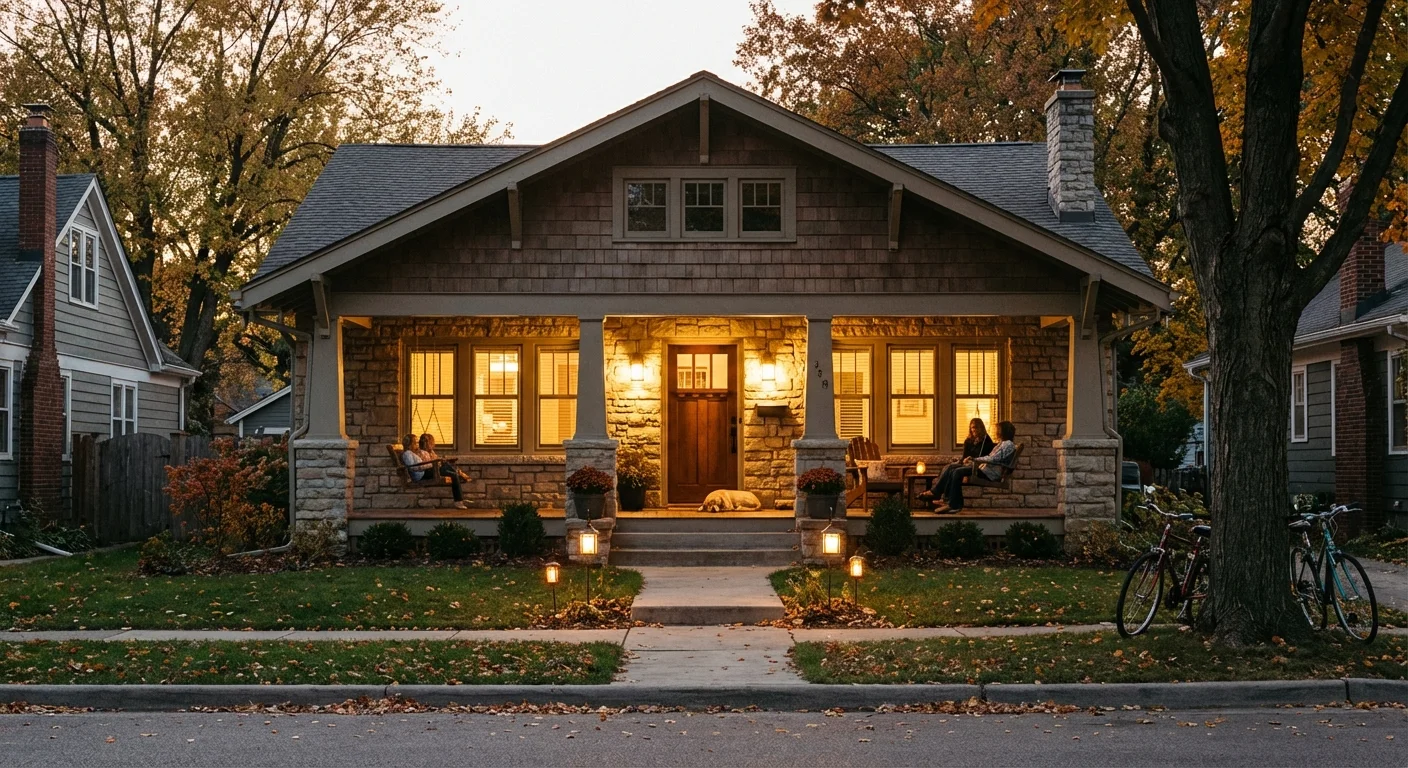
- Create the Illusion of Occupancy: Burglars want an empty house. Noise, light, and activity—even simulated—cause them to move on to easier targets.
- Remove Visual Temptations: High-value items visible from the street or empty boxes from expensive purchases left on the curb serve as advertisements for thieves.
- Leverage Community: Neighbors who know your routine are the best free security cameras you will ever have.








Leave a Reply