
Smart Home and Daily Living
1. Smart Voice Assistants
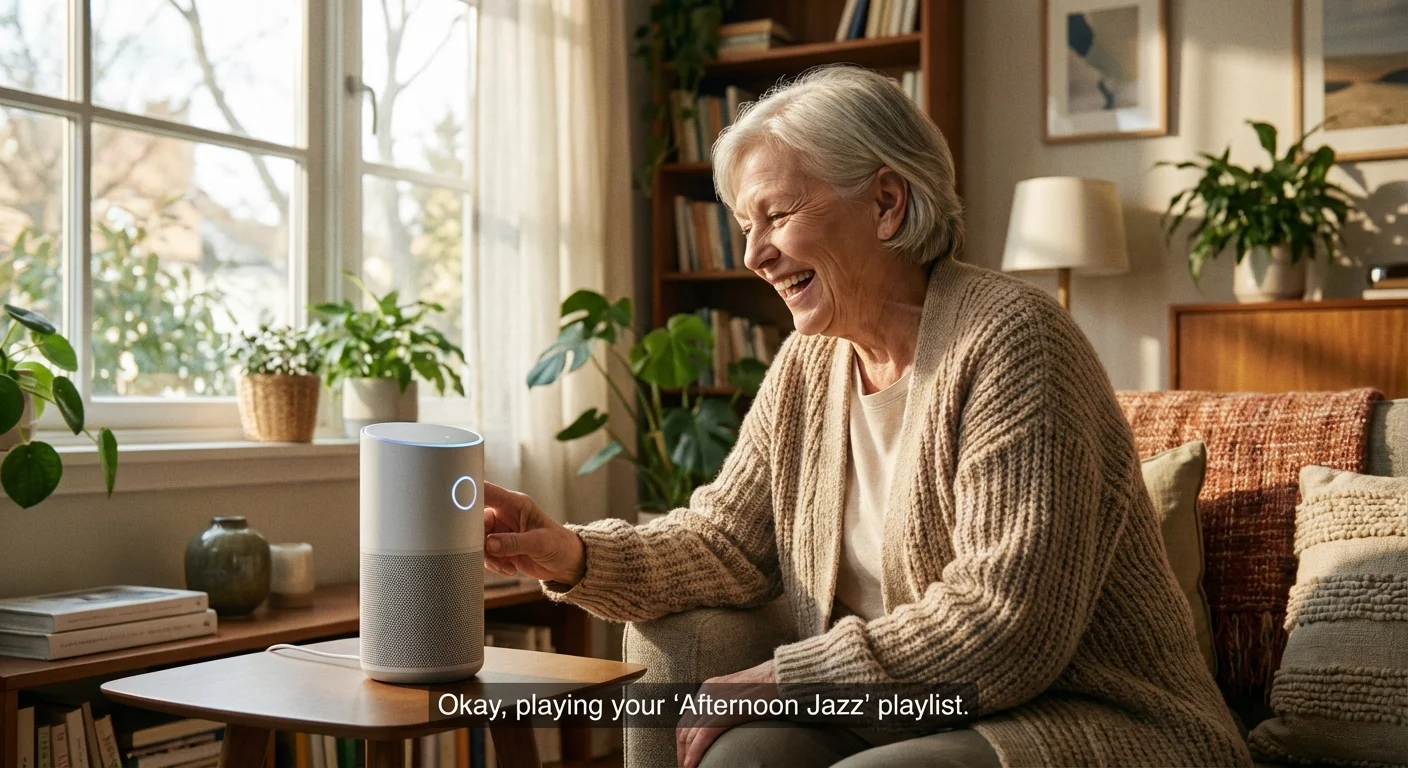
Voice-activated hubs like Amazon Echo or Google Nest have moved from novelty gadgets to essential home accessibility tools. You can set medication reminders, add items to your grocery list as soon as you notice you are running low, and check the weather without finding your glasses or typing on a small screen. More importantly, these devices serve as emergency communication tools; if you experience a fall and cannot reach your phone, you can simply tell your voice assistant to call a family member or dial 911.
2. Lever-Style Door Handles and Faucets
If you experience arthritis or reduced grip strength, turning a round doorknob or twisting a tight faucet knob feels remarkably similar to opening a stuck jar. Replacing standard knobs with lever-style handles takes only a few minutes per door and requires nothing more than a screwdriver. You can push a lever down with your elbow, the side of your hand, or a hip if your arms are full. Upgrading your bathroom and kitchen faucets to single-lever models provides the same effortless control over water flow and temperature.
3. Motion-Sensor Lighting
Navigating dark hallways in the middle of the night poses a significant fall risk. Instead of fumbling for light switches, install inexpensive motion-sensor LED lights along baseboards, staircases, and inside bathrooms. These lights automatically illuminate your path when you step out of bed and turn off shortly after you leave the area. For a more comprehensive solution, swap out standard light bulbs in closets and pantries for motion-activated smart bulbs.
4. Pull-Out Cabinet Shelving
Kitchens designed for aesthetics often ignore ergonomics. Reaching the back of a deep lower cabinet requires bending, crouching, and pulling heavy items at awkward angles. Installing sliding, pull-out shelves inside your existing cabinets brings your pots, pans, and appliances directly to you. This simple modification eliminates the need to dig blindly through dark cupboards and significantly reduces strain on your lower back and knees.
“An ounce of prevention is worth a pound of cure.” — Benjamin Franklin









Leave a Reply