
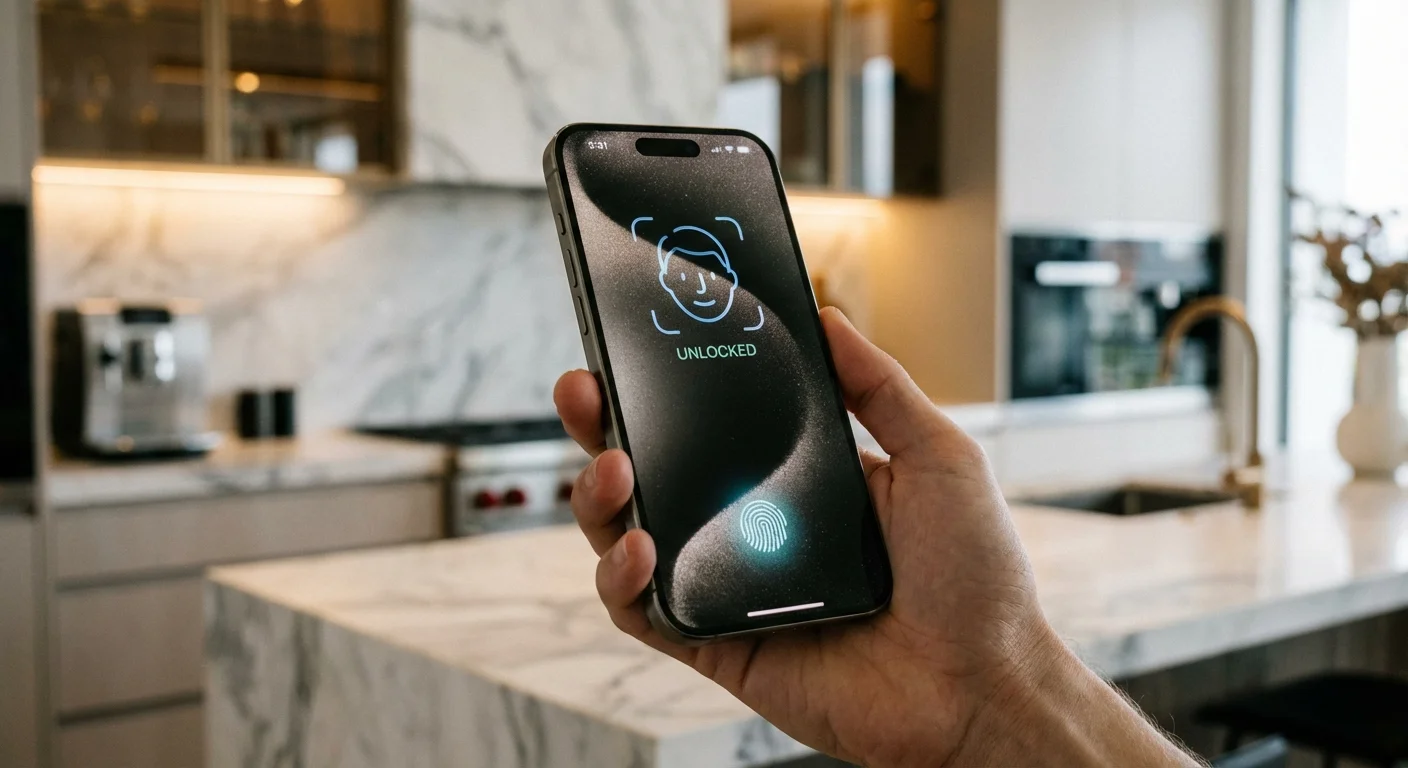
Comparing Password Management Strategies
Memorizing a unique 15-character passphrase for every single one of your 100+ accounts is impossible. To protect your digital life, you need a reliable system to store your credentials. Here is how the most common methods compare:
| Strategy | How It Works | Pros | Cons | Security Level |
|---|---|---|---|---|
| Human Memory | Trying to remember every password naturally. | Free and requires no setup. | Inevitably leads to password reuse or using easily guessable passwords. High risk of being locked out. | Poor |
| Pen and Paper | Writing passwords in a dedicated notebook kept near the computer. | Immune to digital hacking. Easy to reference when sitting at your desk. | Useless if traveling. Vulnerable to physical theft, fire, or simply misplacing the book. | Moderate |
| Web Browser Auto-fill | Letting Google Chrome, Safari, or Edge save and fill passwords. | Highly convenient and built directly into your daily internet browsing. | If someone gains access to your unlocked computer or tablet, they have access to everything. | Good |
| Dedicated Password Manager | A secure, encrypted app (like Bitwarden, 1Password, or Dashlane) that stores all credentials behind one master password. | Generates impossible-to-guess passwords, stores them securely, and syncs across your phone and computer. | Requires a small learning curve. Premium versions charge a modest annual fee. | Excellent |








Leave a Reply