
Criminal networks treat fraud like a business, and retirees are their primary target market. Every year, millions of Americans receive calls, text messages, and emails from imposters pretending to represent the federal government. Government imposter fraud regularly drains hundreds of millions of dollars from older Americans, threatening the financial security they spent decades building.
Scammers understand that Social Security forms the foundation of most retirement income plans. By threatening that foundation, they trigger immediate panic. When you panic, you stop thinking critically—and that is exactly the moment the fraudster strikes. The tactics evolve constantly, moving from simple phone calls to sophisticated digital phishing campaigns designed to steal your identity and your monthly benefits.
You hold the power to stop these attempts in their tracks. By learning the specific mechanics of the most prevalent scams, you can recognize the red flags before a criminal ever gains access to your personal information or your bank account. Here are the six most common Social Security scams currently targeting retirees and the exact steps you should take to protect yourself.
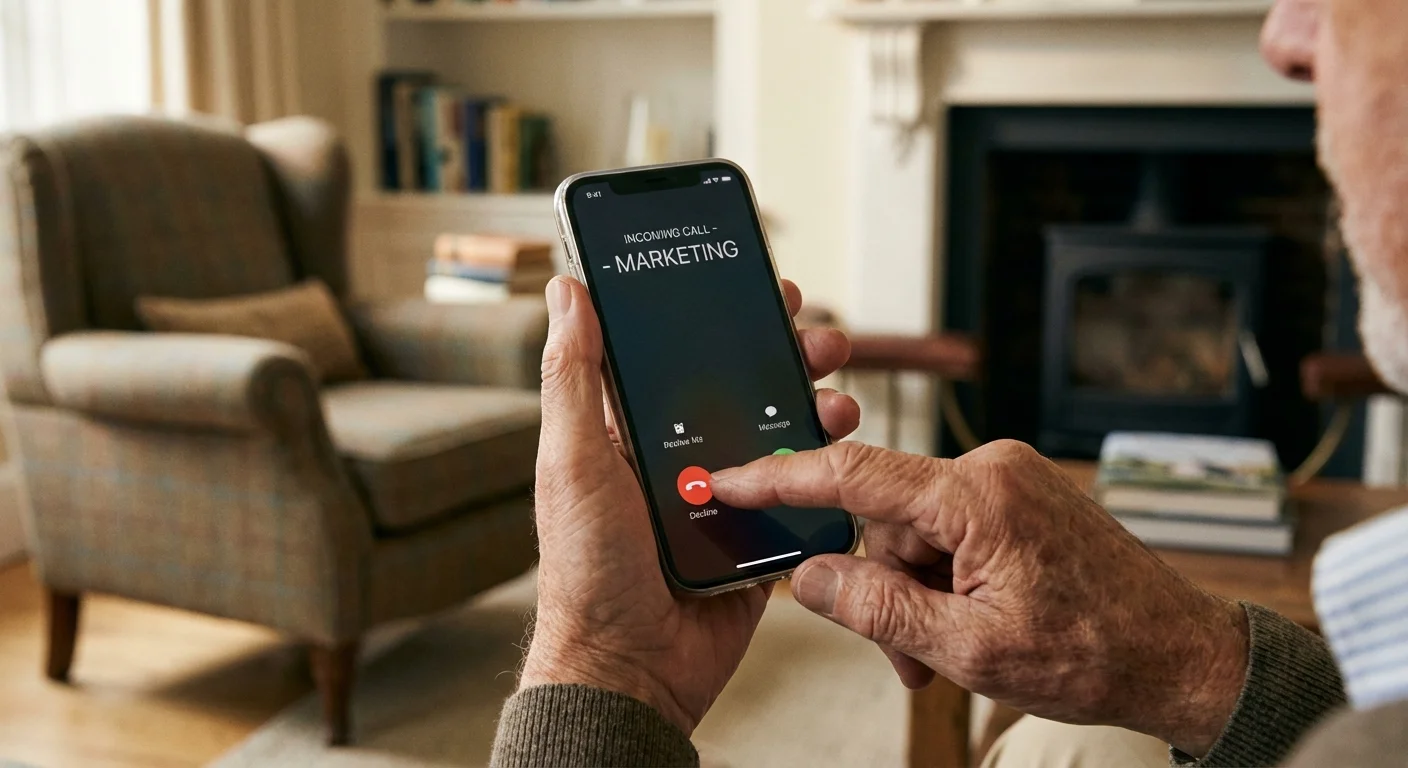
1. The Imposter Call: Suspended Number Threats
The “suspended Social Security number” threat remains the most pervasive government imposter scam in the United States. It relies heavily on fear, urgency, and the abuse of modern telecommunications technology.
How the Scam Works
Your phone rings, and your caller ID clearly displays the words “Social Security Administration” alongside a Washington, D.C. area code. When you answer, you hear a pre-recorded robotic voice or a live operator with a stern, authoritative tone. The caller informs you that your Social Security number has been linked to criminal activity—often money laundering or drug trafficking—and that a warrant has been issued for your arrest.
The caller insists that your number has been suspended and your benefits have been frozen. To resolve the issue, avoid arrest, and restore your benefits, they demand that you verify your full Social Security number over the phone. Once you comply, they typically escalate the situation, demanding you move your money into a “safe government account” using wire transfers, cryptocurrency ATMs, or prepaid gift cards.
How to Protect Yourself
First, understand one undeniable fact: the Social Security Administration cannot and will not suspend your Social Security number. The concept of a suspended number is entirely fabricated.
Second, ignore your caller ID. Scammers use easily accessible software to spoof phone numbers, making their calls appear legitimate. If you receive a threatening call from someone claiming to be an agent, hang up immediately. Do not press any buttons to speak with a representative, and do not attempt to argue with the caller. Engaging with the fraudster only signals that your phone number is active, leading to more scam calls in the future. If you are genuinely concerned about the status of your account, log into your official portal at the Social Security Administration website to check for official notices.









Leave a Reply