

Mistake 4: Overlooking the Lifestyle Fit of the New Location
Retirement housing advice often focuses heavily on the structure itself—the number of bedrooms, the size of the kitchen, the presence of a walk-in shower. Yet, the community surrounding the home dictates your daily happiness far more than the granite countertops do.
Moving to an isolated rural area because the housing is cheap might sound idyllic, but it creates profound challenges as you age. Can you walk to a grocery store or a coffee shop? How far is the nearest major hospital or specialized medical center? If you eventually have to stop driving, will you become completely stranded?
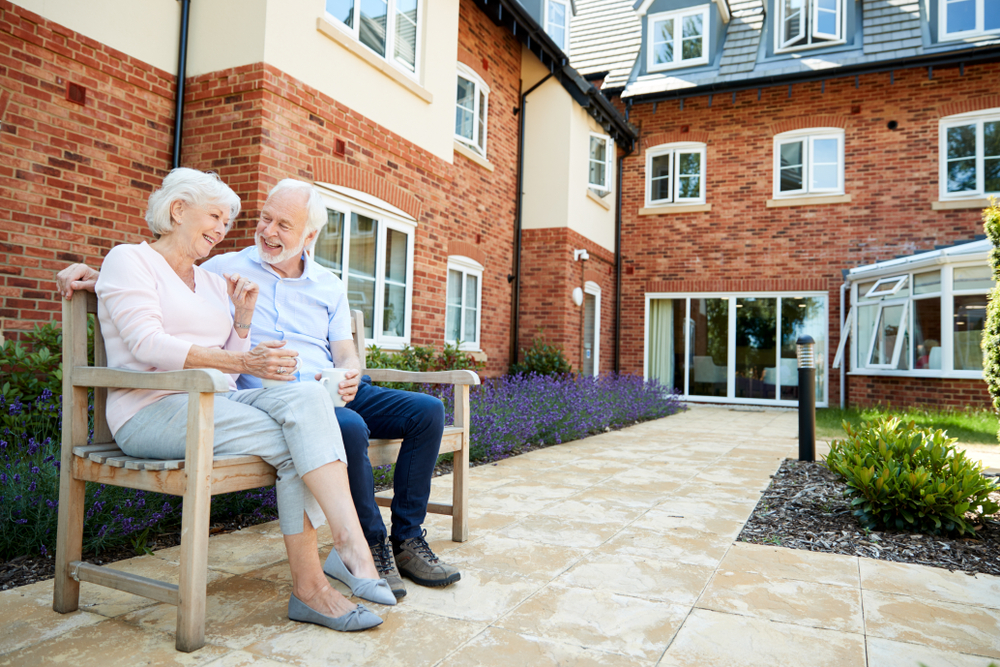
Furthermore, active adult communities (55+ neighborhoods) sound wonderful on paper, offering built-in social networks, pickleball courts, and clubhouse events. But they are not for everyone. Some retirees find the rigid Homeowner Association (HOA) rules suffocating. Others deeply miss intergenerational living—seeing young families walking dogs, hearing children play, and interacting with people of all ages.
“A house is just a pile of building materials. What makes it a home is the life you live inside and around it. Do not trade a vibrant community for a cheaper zip code if it costs you your daily joy.” — Mitch Anthony, Retirement Expert
Before purchasing a home in a new town, try renting there for a month or two. Test the commute to the grocery store, evaluate the local healthcare infrastructure, and see if the neighborhood culture aligns with your personality.








Leave a Reply