
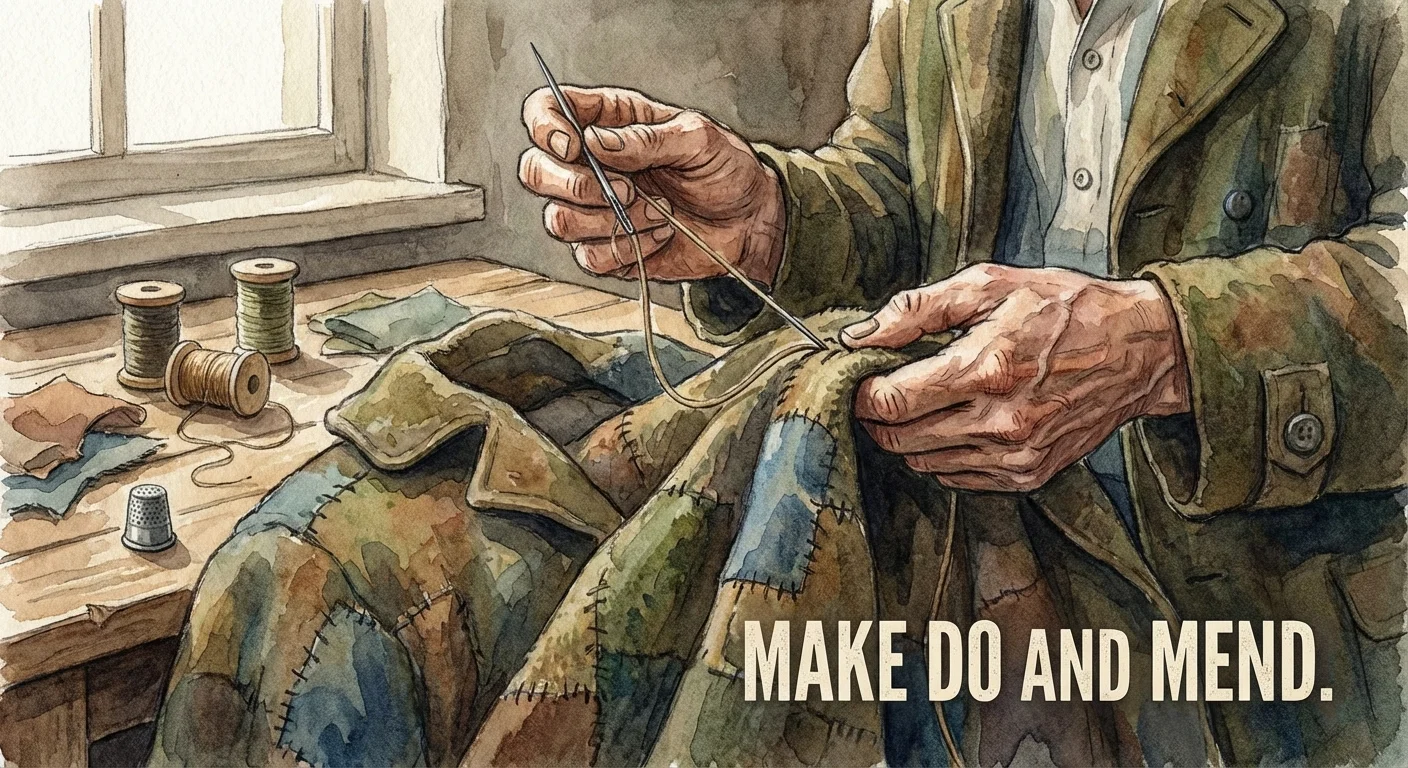
Applying Retirement Savings Tips from the Past
While you no longer face the threat of the 19th-century poorhouse, learning from retirement history USA provides practical strategies for your own financial journey. Even with modern safety nets, living without Social Security as your sole income source remains a best practice. The system was never designed to replace 100 percent of your pre-retirement earnings.
Diversify your support networks. Just as early Americans relied on fraternal societies and extended family, you should build robust community ties. Aging in place successfully often depends as much on having neighbors who check on you as it does on having money in the bank. Resources from the National Council on Aging (NCOA) emphasize that social connection actively improves physical health and reduces care costs.
Leverage your real estate. You might not take in a dozen factory-worker boarders like a 1920s widow, but your home remains a massive financial tool. Whether you choose to downsize, rent out a secondary suite, or simply enter retirement without a mortgage, minimizing your housing overhead is a historically proven way to stretch limited cash.
Transition into retirement gradually. The historical concept of shifting to “lighter labor” translates beautifully to the modern trend of phased retirement. Instead of an abrupt stop at age 65, consider transitioning to consulting, part-time work, or turning a hobby into a modest income stream. This keeps you engaged, delays the need to withdraw from your investment portfolio, and allows your Social Security benefits to grow if you delay claiming them.









Leave a Reply