
Labor and Continued Earning
The concept of a defined “retirement age” is a relatively recent invention. For most of American history, your working years ended only when your body gave out.
5. Working Until Physical Incapacity
Before the mid-20th century, the labor participation rate for men over 65 hovered well above 50 percent. You simply worked until illness, injury, or severe decline made it impossible. In an era dominated by manual labor, agriculture, and unregulated manufacturing, this often meant enduring severe physical pain to maintain a modest income. Retirement was not a choice; it was a physical medical event.
6. Transitioning to Lighter Labor
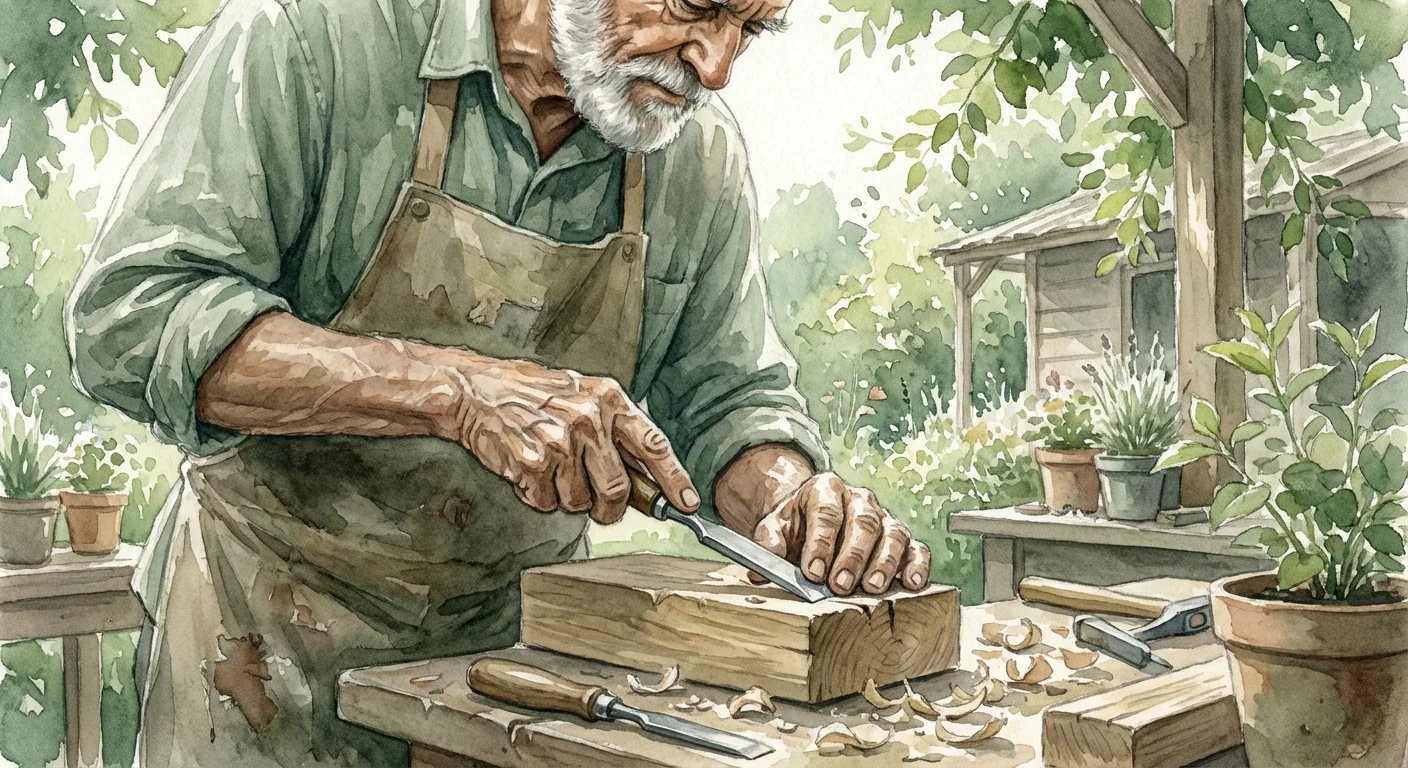
As strength waned, older workers frequently accepted demotions to stay employed. A master carpenter might transition to sweeping the shop floor; a factory worker might take a role as a night watchman or a tool sharpener. Employers sometimes accommodated aging workers out of loyalty, but usually at drastically reduced wages. This steady step-down in income forced older adults to radically slash their living expenses.
7. Bartering Goods and Services
Cash was often scarce, especially during economic depressions. Older adults who lacked formal employment survived by trading their accumulated skills for basic necessities. An elderly woman might trade mending and tailoring services for a weekly delivery of milk and eggs. An older man with a woodshop might trade handmade furniture or repairs for medical care from the local doctor. This informal economy provided a vital cushion for those outside the traditional labor market.
8. Selling Off Assets Gradually
When labor was no longer possible and family support fell short, retirees liquidated their lives. They sold off acreage piece by piece, auctioned farm equipment, or pawned family heirlooms. This slow depletion of assets represented a terrifying race against time—hoping the money would outlast their natural lives. Without a secure way to generate yield on savings, eating into the principal was often the only option left.









Leave a Reply