

Managing Your Benefits: How Social Security Works Overseas
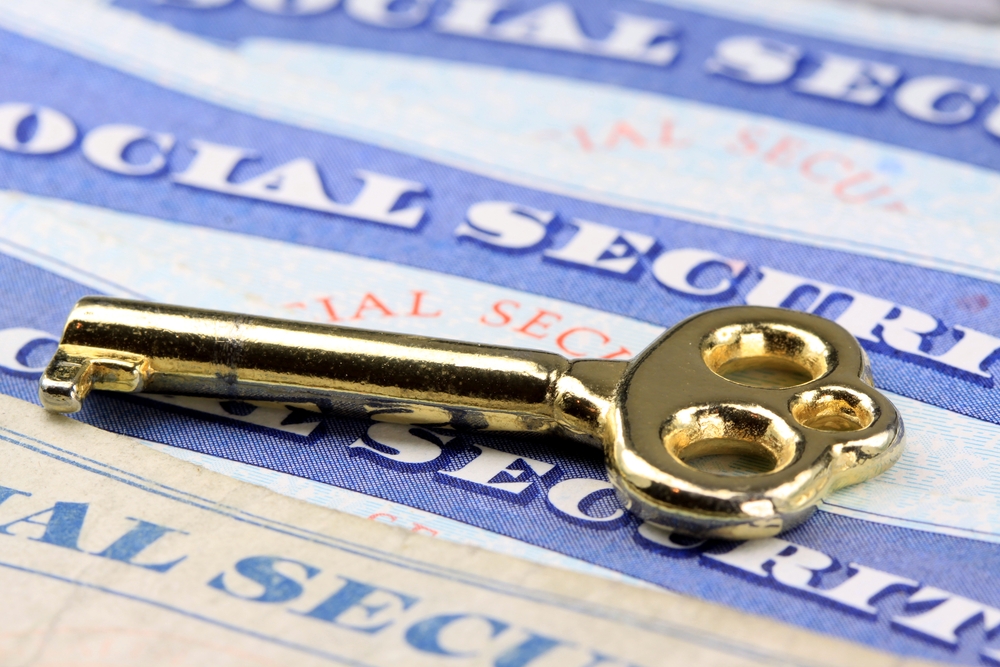
A common fear among prospective expats is that leaving the United States means forfeiting their hard-earned retirement benefits. Fortunately, the Social Security Administration allows you to receive your benefits in most countries around the world.
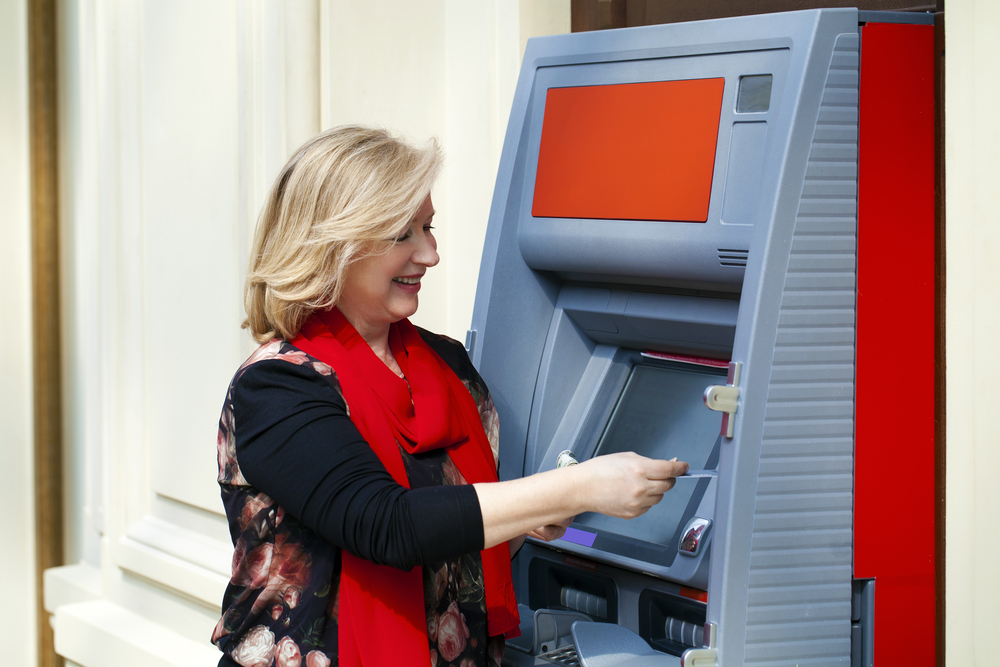
You have two primary options for accessing your funds. The first is utilizing the SSA’s International Direct Deposit (IDD) program, which automatically converts your benefit into the local currency and deposits it directly into your foreign bank account. The second—and often preferred—method is maintaining a U.S. checking account that does not charge foreign transaction or ATM fees, such as the Charles Schwab High Yield Investor Checking account. Your Social Security drops into your U.S. bank, and you withdraw local currency as needed from foreign ATMs at the exact market exchange rate.
Be aware that the SSA will occasionally mail you a Foreign Enforcement Questionnaire to verify your continued eligibility and physical existence. You must fill this out and return it promptly; failure to do so will result in the suspension of your benefits until your status is verified.
“A big part of financial freedom is having your heart and mind free from worry about the what-ifs of life.” — Suze Orman, Personal Finance Expert
Taxes represent another crucial consideration. As a U.S. citizen, you are taxed on your worldwide income, meaning you must continue filing an annual return with the Internal Revenue Service regardless of where you live. While the Foreign Earned Income Exclusion allows working expats to shield a portion of their active wages from U.S. taxes, this exclusion does not apply to passive income like Social Security, pensions, or IRA withdrawals. However, if your only income is Social Security, you may fall below the standard deduction threshold and owe no federal income tax, though you must still file if you meet certain criteria.







Leave a Reply