
Many Americans spend their working years tethered to major metropolitan areas out of sheer necessity. You tolerate the crowded highways, high property taxes, and relentless pace of city life because your career or your children’s school districts demand it. Once those obligations fade, a profound geographic freedom takes their place. Choosing where to spend your next chapter is one of the most exciting financial and lifestyle decisions you will ever make.
In recent years, a significant demographic shift has occurred as older adults trade urban congestion for the charm and manageability of regional municipalities. Relocating to a smaller community offers a chance to right-size your housing expenses while simultaneously upgrading your daily quality of life. The challenge lies in finding the exact right balance; you want a location where your fixed income stretches further, yet you do not want to feel isolated from essential services, reliable healthcare, or intellectual stimulation.
Small towns for retirees offer a unique blend of community connection and financial practicality. Whether you are looking for a coastal retreat, a mountain enclave, or a historic southern district, the United States features countless hidden gems that cater specifically to an active, engaged older population.
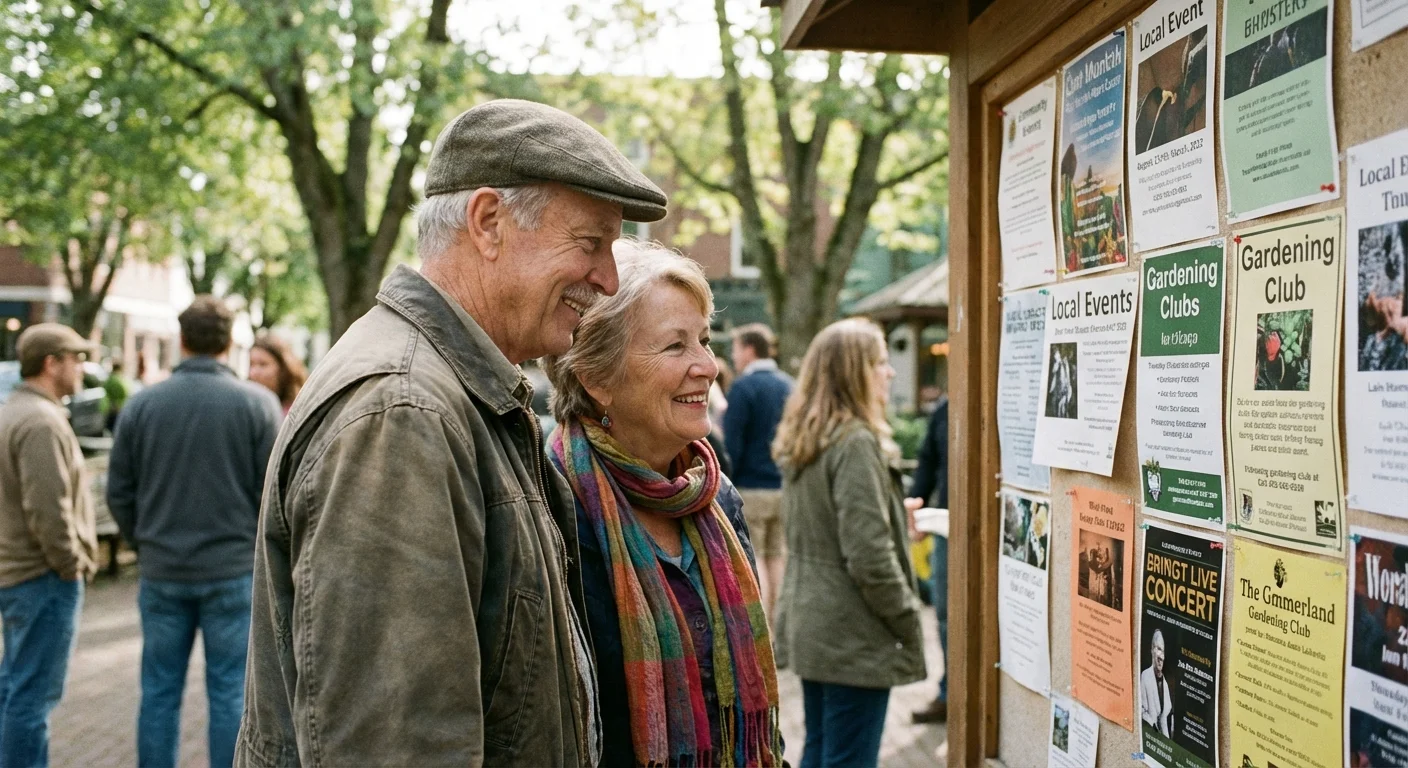
What Makes a Small Town Ideal for Your Next Chapter?
Evaluating potential retirement destinations requires looking past the glossy tourist brochures. A town might be a wonderful place to spend a long weekend, but living there year-round demands a practical infrastructure that supports aging comfortably. When identifying peaceful retirement towns, several core pillars must align to ensure long-term satisfaction.
First, affordability dictates much of the decision-making process. Finding affordable small towns USA involves looking at the entire tax picture—not just property values. A state might boast no income tax but make up for it with staggering property taxes or high sales taxes on everyday goods. You must calculate the comprehensive cost of living to determine if a town truly fits your budget.
Second, medical access is non-negotiable. The charm of a remote cabin loses its appeal quickly if you have to drive two hours to reach a cardiac specialist or an emergency room. The most successful retirement lifestyle small towns feature strong regional hospital systems or sit within a reasonable driving distance of a major metropolitan medical center.
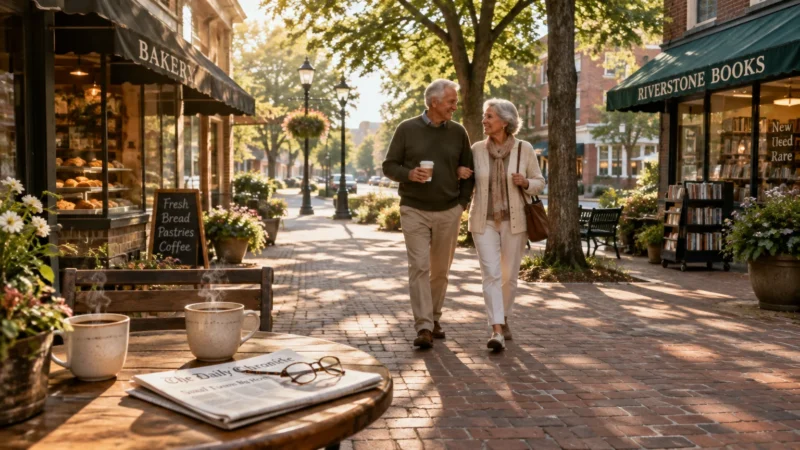
Finally, community and culture play pivotal roles in cognitive and emotional health. You need opportunities to socialize, volunteer, and learn. Towns anchored by small universities or vibrant historic arts districts naturally foster the kind of ongoing engagement that keeps retirees thriving.
“A big part of financial freedom is having your heart and mind free from worry about the what-ifs of life.” — Suze Orman, Personal Finance Expert







Doral fl the taxes,rent and expenses are very expensive in this city that’s not true I live there gor 36 year and this city is crowded please said the true
Check the weather before moving here
A lot of the suggestions are cities that are known not to be very receptive to people of color. It would be nice if your collection would expound upon that and offer suggestions that would keep such factors in mind.
Thanks for your comments. Do you have recommendations that take that into consideration?
No one would be safe there let’s be realistic. That’s why people of color run to predominantly white areas because where peaceful people.
Most of these cities are in warmer climates. That makes sense. I see recommendations for people to move to Vermont or something where they’d be trapped indoors half the year or more. Not every retired person dreams of show-shoeing or skiing. It’s a lot easier to stay active when you can actually get out and do things.
Someone needs to explain to you people what a “small” town is. A town with 70000+ people is not a small town.
Does it have quality medical, dental, VA and grocery stores?
I take it that this doesn’t include assisted living facilities. As I could use one that doesn’t cost more than my SSI monthly stipend.